


Give to T1Dto100
Your kind donation helps keep us going. If you find the information on this site and on the social media platforms we use helpful, please give what you can. Every little bit helps.

Are You Prepared?
Living life with diabetes can be difficult, but being prepared from your everyday to emergencies makes it a little easier. Check out our guides and checklists to set yourself up for success living with Type 1 Diabetes!

Where Will You Live?
Finding the perfect living situation as you age is already a challenge, and being a T1D requires even more knowledge about your options. Read up on your options and what you should consider when picking the best environment for your golden years.

How Will Your Body Change?
As we age, there are many bodily changes we need to keep up with and even more to look out for with T1D. Know that you aren’t alone and there are plenty of ways to keep healthy and happy as an aging T1D.

How Are You Coping?
Finding joy as you age can happen in so many ways. Here are some suggestions on how to keep up with community, love, and intellectual stimulation for a healthier and happier time.
Be a T1D Aging Advocate!
Aging T1Ds is a demographic that needs to be advocated for but doesn’t have much support. Find ways to speak up so T1Ds can be heard!

What's Happening?
Part of learning more about yourself is connecting with the stories of others. Here we have several diverse T1D perspectives that will hopefully help you on your journey with T1D.
Stay Informed
Subscribe to the T1Dto100 mailing list to receive occasional news and updates.
What’s Happening?
Hear T1D perspectives firsthand with these stories to help you navigate being an aging T1D.

Choosing Your 2027 Medicare Plan: An Open Enrollment Guide for People with Type 1 Diabetes
We have created this guide on how to choose your 2027 medicare plan including important dates, commons mistakes, and a checklist of things to do. There are also special insights on what you need to keep in mind, programs that could be helpful, and changes from the previous year. Read the full article for everything you need to know!
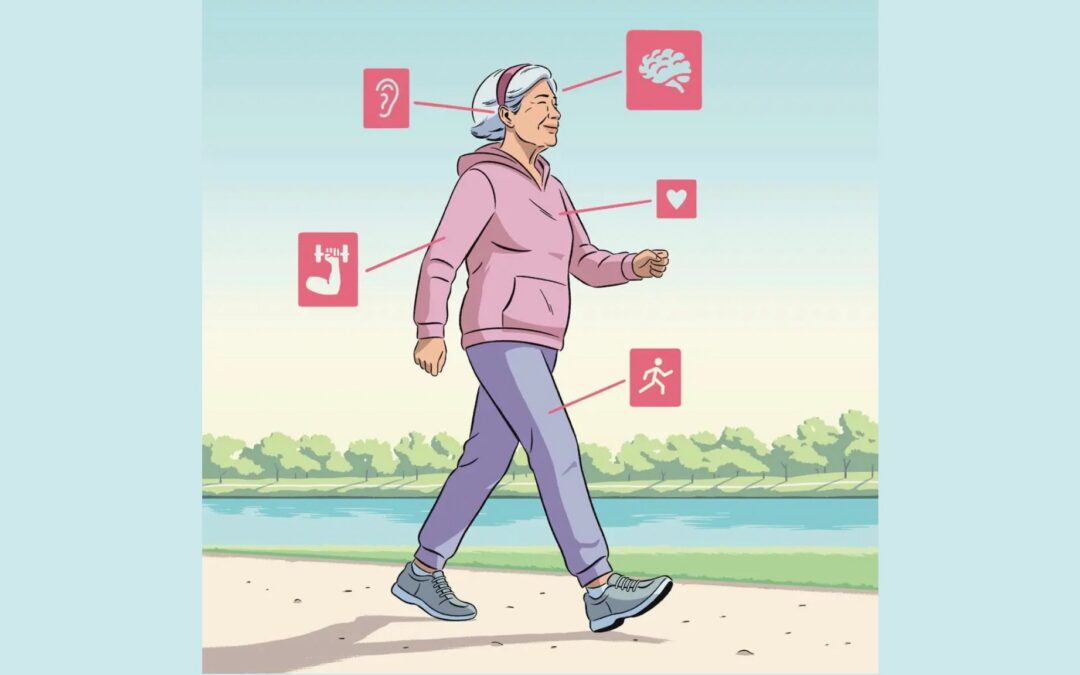
Intrinsic Capacity: The Most Important Longevity Term You’ve Probably Never Heard Of
Intrinsic Capacity is a new term experts are hoping to use to determine a person’s overall health in an effort to implement interventions for a longer, healthier, and happier life. Intrinsic Capacity is measured in five different key areas including cognition, locomotion, sensory capacity, psychological well-being, and vitality. Several studies are being implemented across the US to learn more on how to improve the accuracy of this metric and use it, eventually, for all ages.

LADA: Why So Many Adults Are Misdiagnosed With Type 2 Diabetes
A YouTube discussion from Taking Care of Your Diabetes (TCOYD) on why 4 in 10 people who are diagnosed with Latent Autoimmune Diabetes in Adults (LADA) are told they have Type 2 Diabetes first and the impact of this misdiagnosis on their health and progress.