

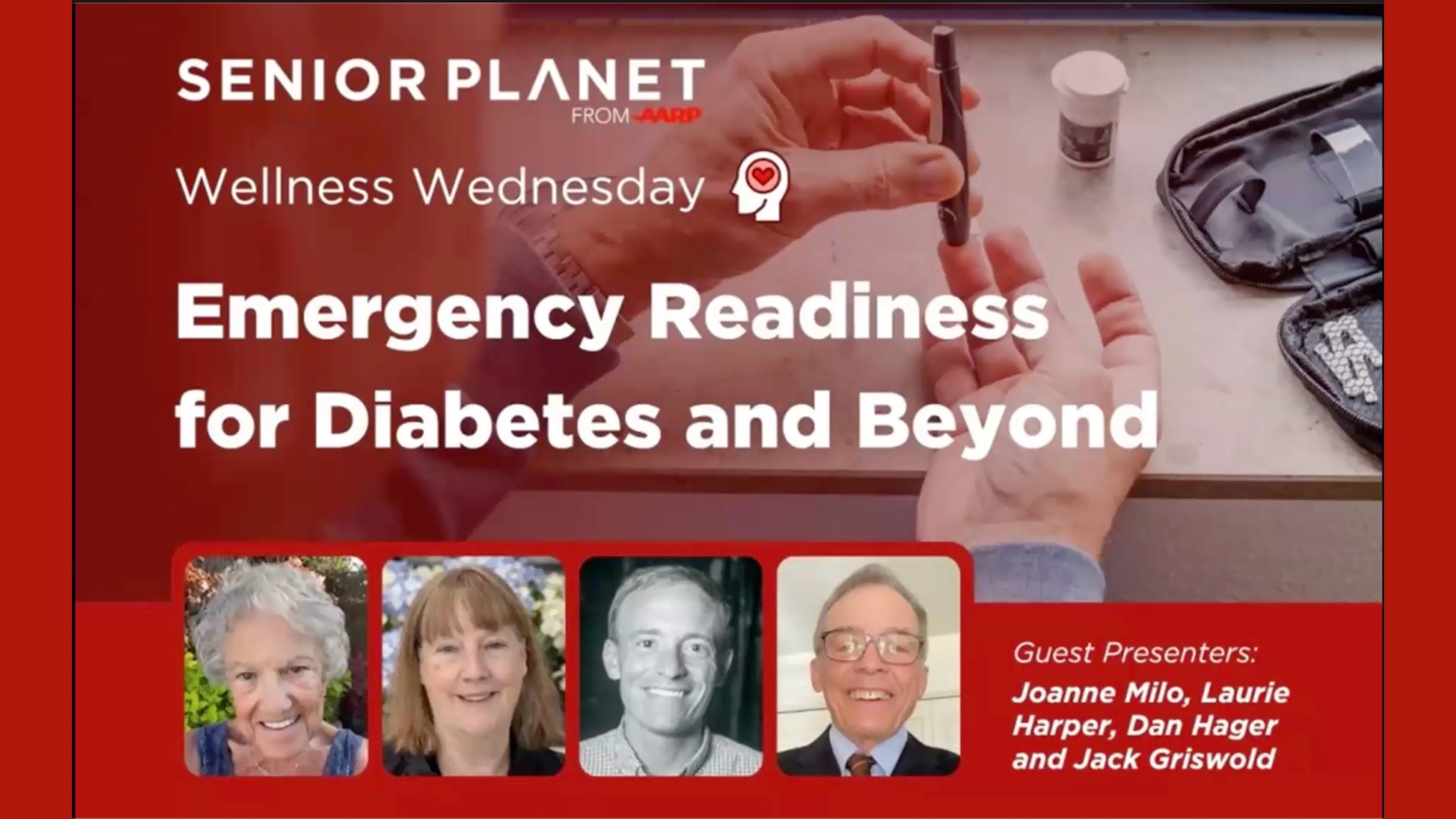
Webinar: Senior Planet From AARP Presents Wellness Wednesday: Emergency Readiness for Diabetes and Beyond
What happens to your health management when the power goes out, an earthquake hits, or your luggage goes missing? For anyone living with a medical condition, preparation is a survival strategy. Watch to learn how to build a reliable emergency plan.
Featuring the daily kit essentials you need for life on the move, how to scale up to a 7-day Go Bag for major disasters like fires or earthquakes, the technical side of keeping devices charged when the grid goes down, and specific travel considerations for when you are away from home. These strategies work for people managing T1D or T2. They are also easily adapted for any other medical condition. You’ll walk away with a clear roadmap to stay safe, powered up, and ready to take the stress out of the unexpected.Presenter Bios:
- Joanne Milo: Joanne Milo has lived with Type 1 diabetes for more than 60 years. Diagnosed at age 11, she became an early adopter of diabetes technology and a lifelong advocate for research, education, and patient safety. She is the founder of Loop and Learn, a global peer-support community of more than 14,000 members, and author of The Savvy Diabetic: A Survival Guide. Joanne also created T1Dto100.com, an informational resource and advocacy platform focused on aging with Type 1 diabetes. She lives in Southern California with her husband, Richard. and is passionate about helping older adults with T1D live longer, safer, and more confidently.
- Laurie Harper: Laurie Harper was diagnosed with Type 1 Diabetes at age two in 1955. On the advice of their family doctor, her parents traveled more than 300 miles to bring her to the Joslin Clinic — a decision that shaped the course of her life. She has participated in the Joslin 50-Year Medalist Research Study for over 20 years through the Joslin Diabetes Center. A wife, mother of three, and grandmother of nine, Laurie has managed Type 1 Diabetes through childhood, career, family life, travel, surgery, and evolving technology. She was cared for by the same endocrinologist for more than 35 years and has been fortunate to have strong medical support throughout her journey. Having also helped care for aging parents, in-laws, and a sister, Laurie understands the added complexity of chronic illness later in life. She is active in the Type 1 Diabetic to 100 community, focused on improving support for those aging with insulin-dependent diabetes.
- Jack Griswold: A 76-year-old retired engineer, Jack Griswold has managed T1D for seven decades. He has overcome a wide range of related complications and leans heavily on technology to sustain a perspective he holds dearly: “Even with T1D, I strongly believe that life is still good!”
- Dan Hager: Dan Hager serves as the Director, Community Connection and Engagement for the American Diabetes Association. Prior to joining the ADA, he served as an academic medical center administrator, corporate health system strategy director, non-profit executive director, and minister.
Resources:
🎥 Full recording on our YouTube: https://youtu.be/LHyGRbCZY0I
Recent Stories & News

Choosing Your 2027 Medicare Plan: An Open Enrollment Guide for People with Type 1 Diabetes
We have created this guide on how to choose your 2027 medicare plan including important dates, commons mistakes, and a checklist of things to do. There are also special insights on what you need to keep in mind, programs that could be helpful, and changes from the previous year. Read the full article for everything you need to know!
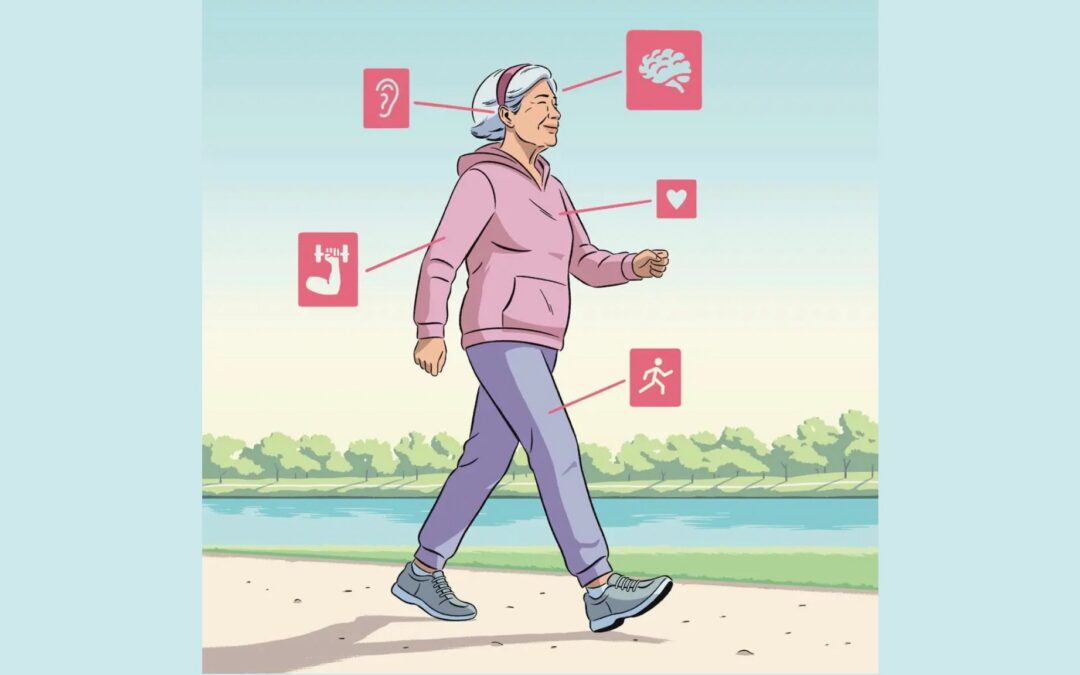
Intrinsic Capacity: The Most Important Longevity Term You’ve Probably Never Heard Of
Intrinsic Capacity is a new term experts are hoping to use to determine a person’s overall health in an effort to implement interventions for a longer, healthier, and happier life. Intrinsic Capacity is measured in five different key areas including cognition, locomotion, sensory capacity, psychological well-being, and vitality. Several studies are being implemented across the US to learn more on how to improve the accuracy of this metric and use it, eventually, for all ages.
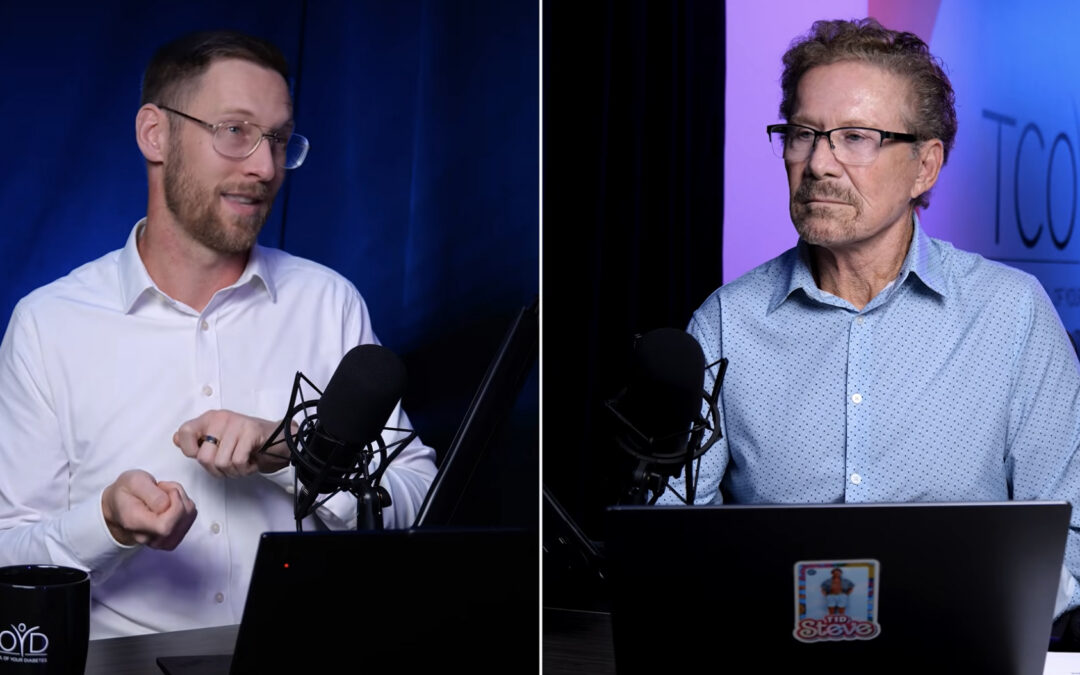
LADA: Why So Many Adults Are Misdiagnosed With Type 2 Diabetes
A YouTube discussion from Taking Care of Your Diabetes (TCOYD) on why 4 in 10 people who are diagnosed with Latent Autoimmune Diabetes in Adults (LADA) are told they have Type 2 Diabetes first and the impact of this misdiagnosis on their health and progress.
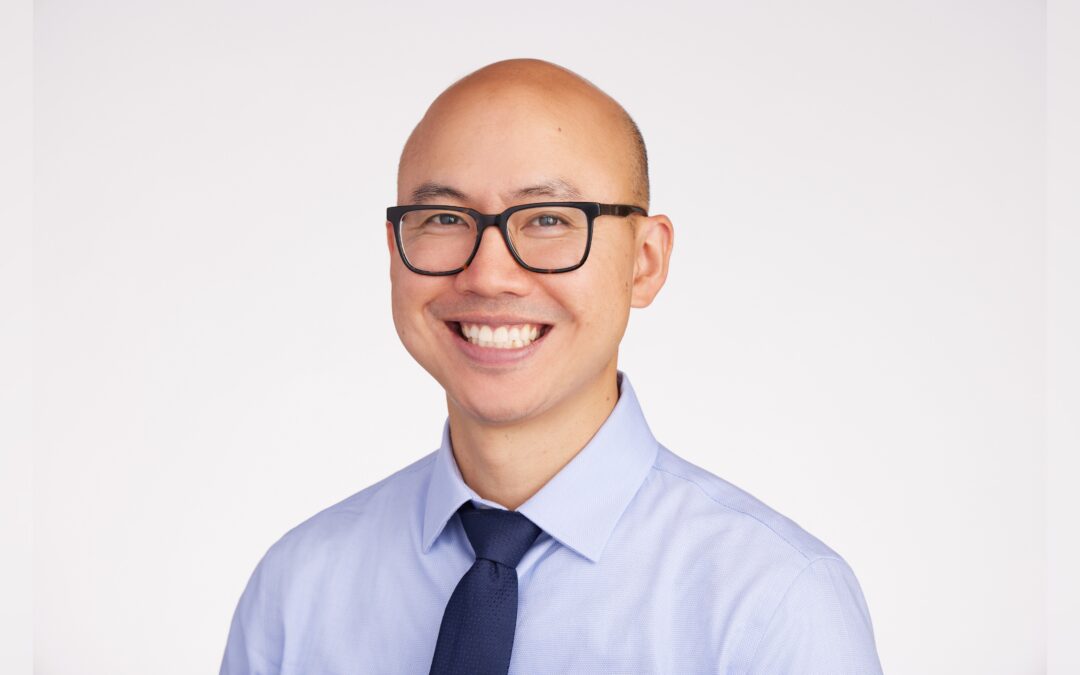
Interview – An Endo’s View: From the Other Side of the Examination Table
I conducted the interview below with my own endocrinologist Dr. David Lam. Our first visit lasted 90 minutes. We talked about diabetes only the last half hour. Lam is smart, tech savvy and responsive. As you might have guessed he is also compassionate, prizes partnership, and sees me as a person, not merely a condition. My husband was impressed when Dr. Lam stayed in text-touch with me, switching me from Lantus to Tresiba, over a weekend. I wanted to understand how he sees our challenges aging with type 1 diabetes and the ones he faces every day working within our industrialized health care system. He didn’t hesitate when I asked for this interview, so here’s an endocrinologist’s view from the other side of the examination table.

The New Science of Brain Workouts, Beyond Sudoku and Crosswords
Forget holding hands—new research reveals a surprising twist in how two people can become a dynamic duo against sudden loss of balance. A recent study, published in the Journal of the Royal Society Interface, demonstrates that when two individuals walk side by side, a rigid link between them dramatically accelerates balance recovery after unexpected slips.
0 Comments