


Are You Prepared?
Emergency Preparedness for People with Type 1 Diabetes
Emergencies can happen anytime—natural disasters, power outages, travel delays, or even personal medical crises. For people with Type 1 diabetes, being prepared isn’t just helpful; it’s critical. Your health depends on access to insulin, monitoring devices, and other essential supplies. Disruptions in availability can quickly escalate into dangerous situations.
Having an emergency preparedness plan ensures you’re ready to manage your diabetes effectively, no matter what comes your way. A solid plan includes:
- Go Bags: Pack a “go bag” with at least 3-7 days’ worth of diabetes supplies, including insulin (and a cooling method if needed), syringes or pens, glucose meter, test strips, CGM sensors, pump supplies, alcohol swabs, glucose tablets, and a backup power source or batteries for devices. Add non-perishable snacks, a water bottle, a flashlight, and a first aid kit.
- Personal Medical Information List: Keep an up-to-date list of your medical information, including:
- A description of your diabetes management plan.
- Your current insulin doses and timing.
- A list of all medications, allergies, and medical conditions.
- Your doctor’s contact information and pharmacy details.
- Emergency contacts.
- How You Manage Your Diabetes: Write down instructions for your daily diabetes routine, including how to administer insulin, adjust for high or low blood sugar levels, and troubleshoot device malfunctions. This is invaluable if someone else needs to assist you.
- Additional Tips: Include copies of prescriptions, your insurance card, and any medical alerts you use (e.g., bracelet or card). Store these in waterproof bags or containers.
Taking time to prepare now ensures you’ll be ready to manage your diabetes safely, even during unexpected disruptions.
📚 Additional Resources
Before an Emergency
Guides on how to prepare your home and knowledge base in case of emergency as a Type 1 Diabetic, including preparing go bags, your medical resume, and having a medical advocate.
Preparing for the Hospital
Checklists, cheat sheets, and more to help prepare you as a T1D for a hospital stay.
Last updated 08/08/2025.
Recent Stories

Choosing Your 2027 Medicare Plan: An Open Enrollment Guide for People with Type 1 Diabetes
We have created this guide on how to choose your 2027 medicare plan including important dates, commons mistakes, and a checklist of things to do. There are also special insights on what you need to keep in mind, programs that could be helpful, and changes from the previous year. Read the full article for everything you need to know!
Intrinsic Capacity: The Most Important Longevity Term You’ve Probably Never Heard Of
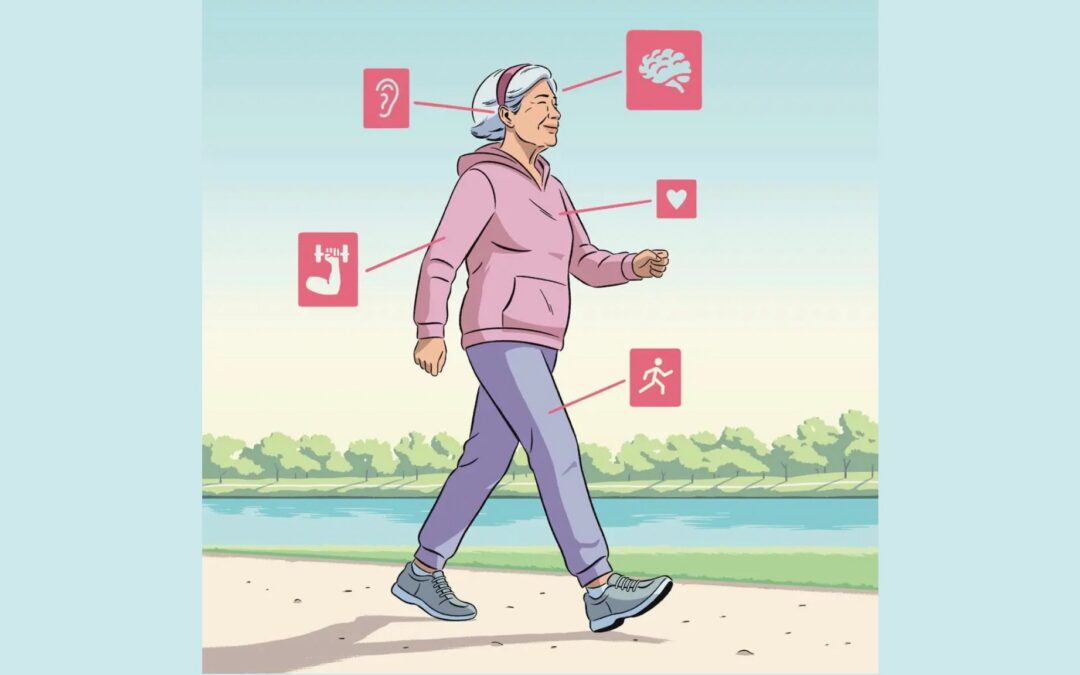
Intrinsic Capacity is a new term experts are hoping to use to determine a person’s overall health in an effort to implement interventions for a longer, healthier, and happier life. Intrinsic Capacity is measured in five different key areas including cognition, locomotion, sensory capacity, psychological well-being, and vitality. Several studies are being implemented across the US to learn more on how to improve the accuracy of this metric and use it, eventually, for all ages.

LADA: Why So Many Adults Are Misdiagnosed With Type 2 Diabetes
A YouTube discussion from Taking Care of Your Diabetes (TCOYD) on why 4 in 10 people who are diagnosed with Latent Autoimmune Diabetes in Adults (LADA) are told they have Type 2 Diabetes first and the impact of this misdiagnosis on their health and progress.