
How did T1D to 100 Get Its Name?
I’m happy to share the origins of the name: T1D to 100.
Our little study group met several times in my home in 2018-2019, about 10-12 of us, to discuss our concerns and issues and possible solutions for aging T1Ds. It was a very enthusiastic and focused group, committed to helping our community.
When it came to naming this project, “T1D to 100” was proposed by a dear friend, Barry W. and it just resonated!
A bit about Barry. He was referred to me by my non-T1D CPA, Tom, a golfing buddy with Barry. One day, Barry passed out on the golf course … low blood sugar. But no one really knew much about his diabetes of what to do.
Tom called me and, as he related the golf course incident, he asked, “Would you be willing to chat with him, maybe help him?”
I called Barry, and we talked for over an hour. Then, I invited him to an impromptu gathering that weekend with several T!D friends, to test our use of Afrezza, an inhalable insulin.
Barry showed up! At the age of 60, he had NEVER met another T1D! He was so excited and soaking up all our group knowledge! And we became wonderful friends.
We lost Barry to cancer 2 years ago … beyond sad. But his passion, kindness, and legacy for our group lives on!
Last updated 08/05/2025.
Recent Stories
Webinar: Conquering Fear and Embracing Life with Dr. Mark Heyman
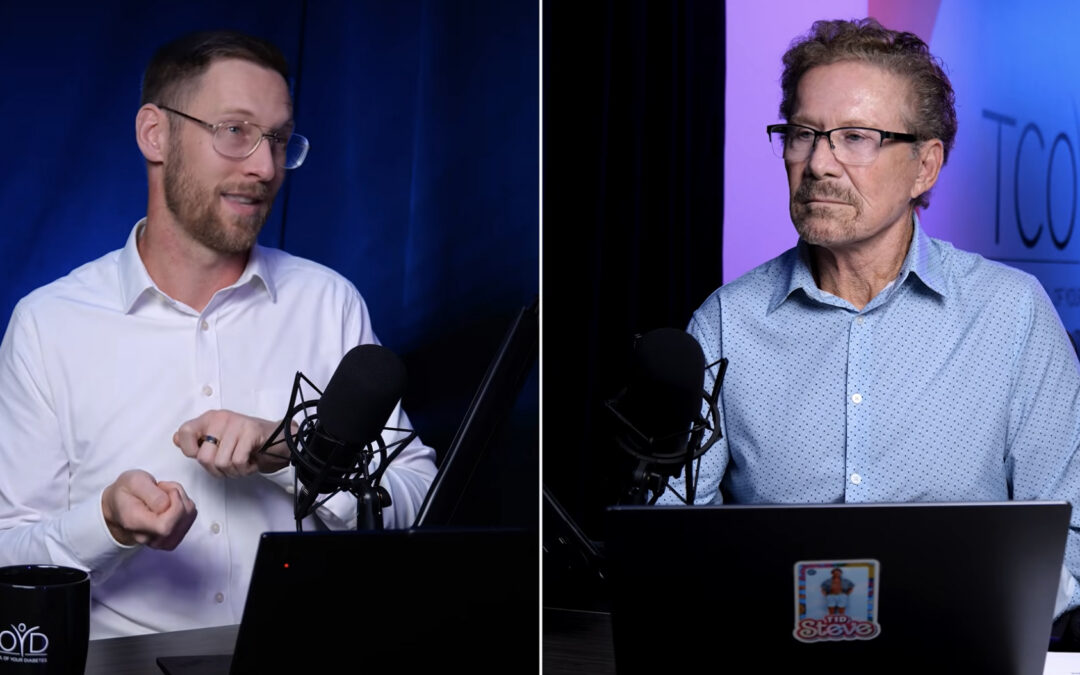
Dr. Mark Heyman, PhD, CDCES, is a diabetes psychologist and Certified Diabetes Care and Education Specialist who has lived with T1D since 1999. He is the founder of the Center for Diabetes & Mental Health (CDMH) in San Diego, specializing in evidence-based mental health support and emotional challenges for people with diabetes. Mark’s practice and programs are focused on helping people with T1D address the emotional burden, burnout, and fear associated with the condition.
A Medicaid ‘Spend Down’ May Get an Older Person Long-Term Care Coverage But isn’t a DIY Strategy
Qualifying for Medicaid’s long-term care coverage requires very low income and minimal assets: an unplanned long-term stay can drain a family’s resources within a couple of years. Eldercare experts recommend a strategy known as a Medicaid “spend down” — systematically and transparently using a person’s assets on appropriate expenses (like prepaying for a funeral, paying down a mortgage, or covering nursing home costs out of pocket) to reach Medicaid eligibility sooner.
A Negative Attitude Towards Aging is Making You Age Faster
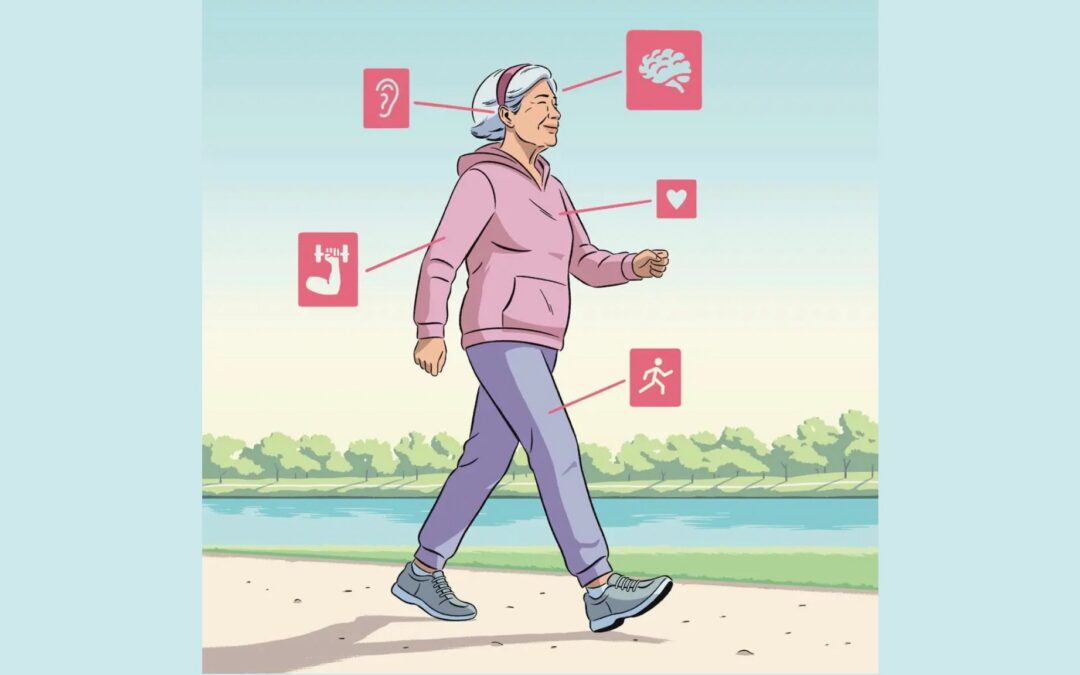
A growing body of research shows that how we think about aging can directly impact how well we age. Studies have found that people who hold negative beliefs about getting older tend to experience faster physical, mental, and cognitive decline. In contrast, those with more positive attitudes toward aging are more likely to stay active, eat well, and maintain better overall health outcomes.