

Continuous Glucose Monitoring With Geriatric Principles in Older Adults With Type 1 Diabetes and Hypoglycemia: A Randomized Controlled Trial
This study, published in Diabetes Care, a journal of the American Diabetes Association, on September 26, 2024, examined how the use of CGMs, combined with personalized care, can help older adults manage T1D more safely. The research included 131 people aged 65+, all living with T1D and at risk for hypoglycemia. Half the group used CGMs and received personalized care from specialists trained in caring for older adults. The other half continued their usual diabetes care with their regular doctors.
After six months, the group with the CGMs and special care spent significantly less time with dangerously low blood sugar levels—about 2.6% less—compared to just 0.3% less in the regular care group. Importantly, their overall blood sugar control stayed stable, and the approach was found to be cost-effective in terms of health benefits.
Last updated 08/06/2025.
Recent Stories

Webinar: Proactive Care Planning: Having a Strong Voice in the Future of Your Care — with Wendy Norman, Dr. George Birchfield, and Hilary Walker
Join Dr. George Birchfield and advance care planning specialist Hilary Walker of Known Wishes to learn how planning ahead lets you stay in charge of all your care — including your diabetes — during an emergency, a hospital stay, or at end of life. You’ll walk away with practical tools to make sure your wishes are known, documented, and honored.
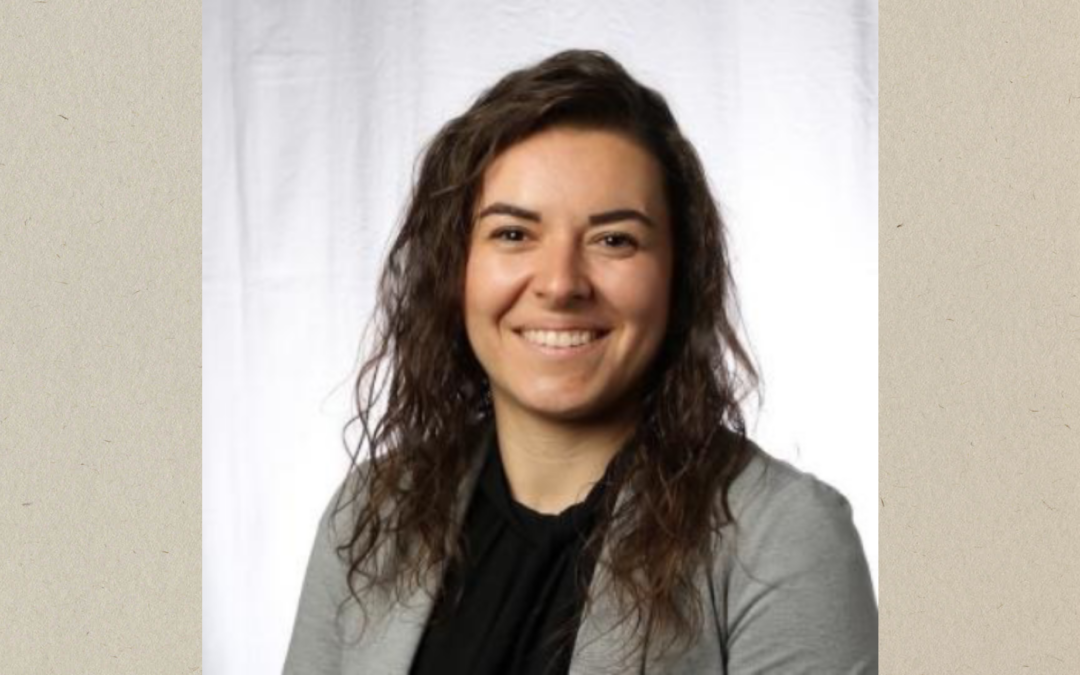
Webinar: A Conversation About Aging and Exercise — with Dr. Dessi Zaharieva, CEP, CDCES
Whether you’re a longtime athlete, easing back into movement, or wondering how exercise needs shift as you age with T1D, this talk is for anyone who wants to keep moving — and keep their blood sugars steady — through every stage of life.
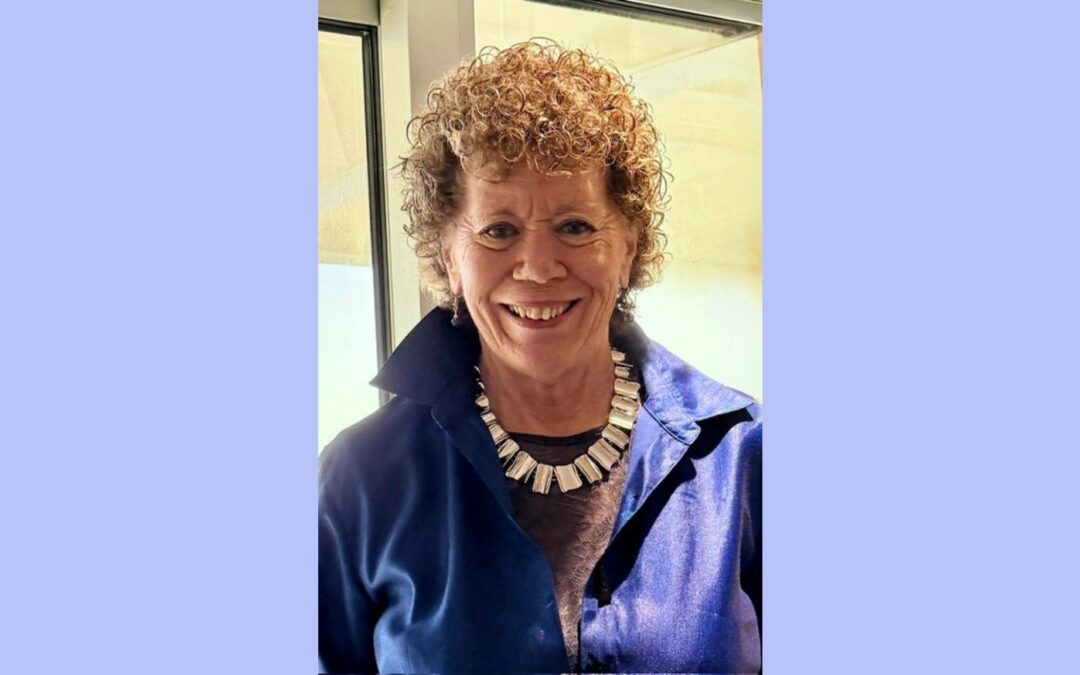
Webinar: Managing Steroids with T1D — with Carolyn Robertson, APRN, MSN, CDCES
Whether you’re preparing for a procedure, recovering from one, or navigating steroids for another medical reason, this talk will cover what to expect before, during, and after — and how to adjust your T1D management accordingly.