

Questions for Management of Senior Housing Options
General Guidelines
- Remember to keep a journal/notebook with names/contact info of the people you chat with. You might have follow-up questions or notice differences in the treatment of T1Ds vs. T2Ds.
- Be friendly.
Questions
- Does your facility accept residents with T1D, T2D? Are the fees higher for people with diabetes?
- Do you require special documentation for diabetic residents? Form 602?
- Are there any T1D-trained staff?
- How does your staff handle technology/devices?
- Does your staff make any accommodations for residents on individualized care?
- Who handles obtaining/storing supplies?
- Is your staff trained to understand/identify cognitive changes or blood sugar changes?
- How are the nighttime low or high blood sugar episodes handled?
- What should the T1D do to be prepared to live in your facility?
- Do you have diabetes specialists or advocates on staff?
- Does the facility honor the request: DO NOT REMOVE DEVICES
- Do diabetic residents wear any special wristbands?
- Are special menus or nutritional information available to diabetic residents?
- What are the best features of your facility?
Last updated 08/20/2025.
Recent Stories

Choosing Your 2027 Medicare Plan: An Open Enrollment Guide for People with Type 1 Diabetes
We have created this guide on how to choose your 2027 medicare plan including important dates, commons mistakes, and a checklist of things to do. There are also special insights on what you need to keep in mind, programs that could be helpful, and changes from the previous year. Read the full article for everything you need to know!
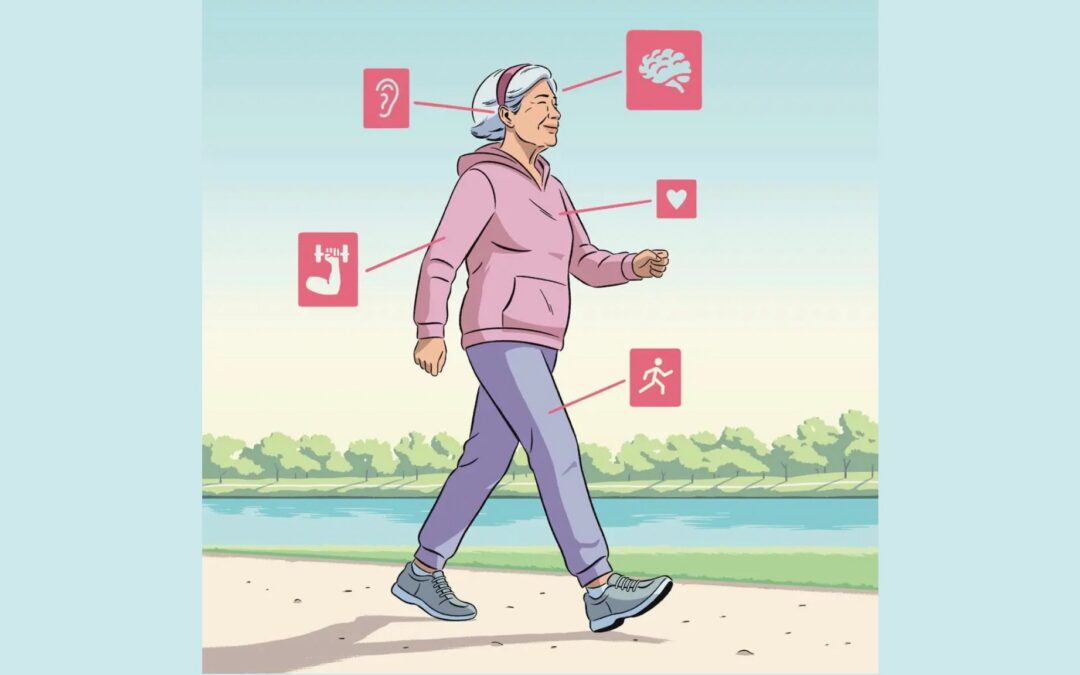
Intrinsic Capacity: The Most Important Longevity Term You’ve Probably Never Heard Of
Intrinsic Capacity is a new term experts are hoping to use to determine a person’s overall health in an effort to implement interventions for a longer, healthier, and happier life. Intrinsic Capacity is measured in five different key areas including cognition, locomotion, sensory capacity, psychological well-being, and vitality. Several studies are being implemented across the US to learn more on how to improve the accuracy of this metric and use it, eventually, for all ages.

LADA: Why So Many Adults Are Misdiagnosed With Type 2 Diabetes
A YouTube discussion from Taking Care of Your Diabetes (TCOYD) on why 4 in 10 people who are diagnosed with Latent Autoimmune Diabetes in Adults (LADA) are told they have Type 2 Diabetes first and the impact of this misdiagnosis on their health and progress.