


A Medicaid ‘Spend Down’ May Get an Older Person Long-Term Care Coverage But isn’t a DIY Strategy
By Ken Sweet (Excerpted by Kelli Deferme)
March 25th, 2026
More than half of Americans over 65 will eventually need help with daily activities like bathing, dressing, or eating — yet only about 3–4% of people over 50 have long-term care insurance. Medicare generally doesn’t cover extended nursing home or assisted living care, leaving many families to rely on savings, unpaid caregiving, or Medicaid.
The problem is that qualifying for Medicaid’s long-term care coverage requires very low income and minimal assets — typically under $2,800–$3,000/month in income and no more than $2,000 in countable assets. With nursing home care averaging roughly $111,000 per year and the median retirement savings for 65–74-year-olds sitting at about $200,000, an unplanned long-term stay can drain a family’s resources within a couple of years.
Eldercare experts recommend a strategy known as a Medicaid “spend down” — systematically and transparently using a person’s assets on appropriate expenses (like prepaying for a funeral, paying down a mortgage, or covering nursing home costs out of pocket) to reach Medicaid eligibility sooner. However, experts strongly caution against doing this without professional guidance. Transferring assets to relatives to appear poor on paper can backfire, as Medicaid applications include a five-year “look back” review of finances.
More than 30 states offer “medically needy” programs that allow people with high healthcare costs to qualify even if their income initially exceeds Medicaid limits. For those years away from needing care, purchasing a long-term care policy in your late 40s or early 50s is recommended — a couple hundred dollars a month now could cover tens of thousands in future care costs.
Link to original article: https://apnews.com/article/medicaid-spend-down-long-term-care-nursing-home
(May require a subscription for access)
Recent Stories & News
Choosing Your 2027 Medicare Plan: An Open Enrollment Guide for People with Type 1 Diabetes
We have created this guide on how to choose your 2027 medicare plan including important dates, commons mistakes, and a checklist of things to do. There are also special insights on what you need to keep in mind, programs that could be helpful, and changes from the previous year. Read the full article for everything you need to know!
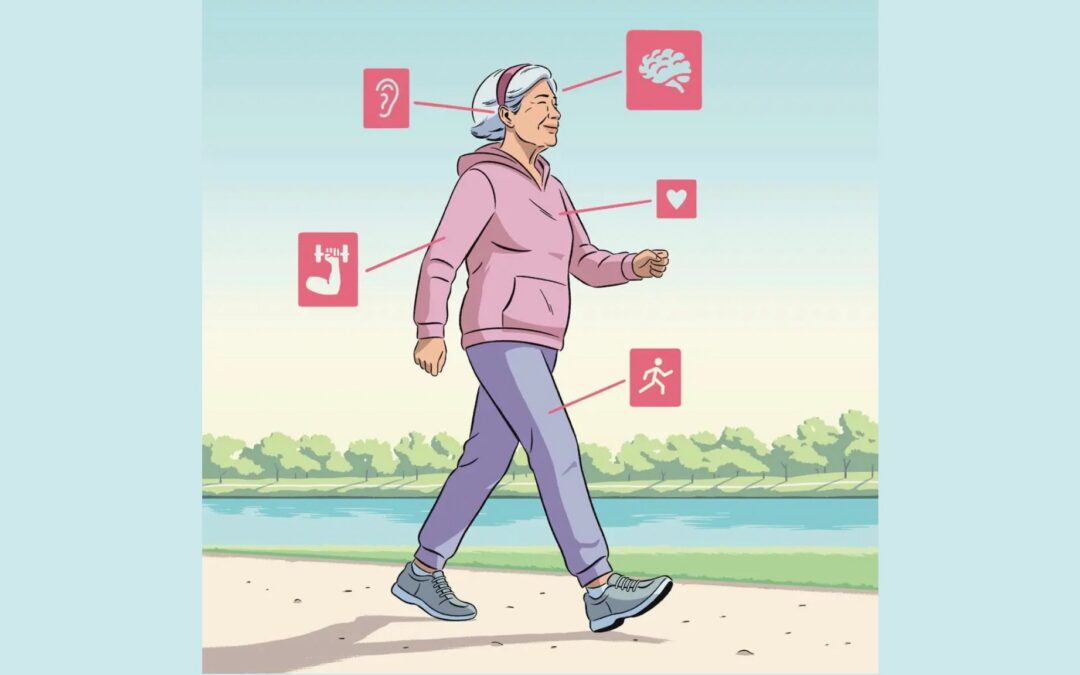
Intrinsic Capacity: The Most Important Longevity Term You’ve Probably Never Heard Of
Intrinsic Capacity is a new term experts are hoping to use to determine a person’s overall health in an effort to implement interventions for a longer, healthier, and happier life. Intrinsic Capacity is measured in five different key areas including cognition, locomotion, sensory capacity, psychological well-being, and vitality. Several studies are being implemented across the US to learn more on how to improve the accuracy of this metric and use it, eventually, for all ages.

LADA: Why So Many Adults Are Misdiagnosed With Type 2 Diabetes
A YouTube discussion from Taking Care of Your Diabetes (TCOYD) on why 4 in 10 people who are diagnosed with Latent Autoimmune Diabetes in Adults (LADA) are told they have Type 2 Diabetes first and the impact of this misdiagnosis on their health and progress.

Interview – An Endo’s View: From the Other Side of the Examination Table
I conducted the interview below with my own endocrinologist Dr. David Lam. Our first visit lasted 90 minutes. We talked about diabetes only the last half hour. Lam is smart, tech savvy and responsive. As you might have guessed he is also compassionate, prizes partnership, and sees me as a person, not merely a condition. My husband was impressed when Dr. Lam stayed in text-touch with me, switching me from Lantus to Tresiba, over a weekend. I wanted to understand how he sees our challenges aging with type 1 diabetes and the ones he faces every day working within our industrialized health care system. He didn’t hesitate when I asked for this interview, so here’s an endocrinologist’s view from the other side of the examination table.
The New Science of Brain Workouts, Beyond Sudoku and Crosswords
Forget holding hands—new research reveals a surprising twist in how two people can become a dynamic duo against sudden loss of balance. A recent study, published in the Journal of the Royal Society Interface, demonstrates that when two individuals walk side by side, a rigid link between them dramatically accelerates balance recovery after unexpected slips.
0 Comments