

Why We Started T1Dto100
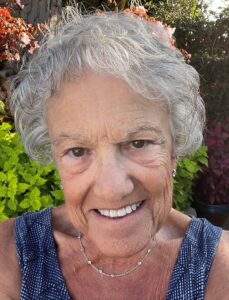 My name is Joanne Milo. I’ve lived with T1D since 1965, diagnosed at age 11. It was in the “dark ages” for diabetes management, without all the remarkable technology available to us today, to “control” and “tailor” our insulin needs to our diabetes demands.
About 10 years ago, I was faced with health challenges that required several surgeries. I started to experience the perils of being hospitalized as a person with diabetes. It was not a good realization. Hospitals took away my control and put me at great risk. I was scared. I worried that I would be helpless and at the mercy of the healthcare system. I worried about what would happen as I got older, became less capable of managing my technology, and lost my support network.
These are fairly normal concerns for anyone who ages, EXCEPT, as a person with Type 1 Diabetes, I have the added burden of managing the disease, including keeping up with technology, coping with insurance and pharmacy orders, determining where I will be able to live, plus all the “what ifs” (What if I lose my vision? What if I fall? What if I can’t take care of myself). SO MANY WHAT-IFS!
A few local T1D friends gathered in my dining room to discuss these concerns, worries, and fears. What could we do, as a group of passionate, caring T1Ds, to identify the needs of those of us aging with T1D? Most of us had been told upon diagnosis that we were not expected to live past age 40.
And yet, here we are, still living, still thriving, and enjoying life, well into our 70s and beyond.
What would we need, going forward, to feel safe, to feel prepared, and to feel relaxed, calm, and empowered? These are just some of the issues that T1Dto100 is here to address.
Do you have other issues and concerns you’d like to share? Or a great story to tell about how you have aged well with T1D? Please contact us at hello@t1dto100.com.
Last updated 09/03/2025.
Recent Stories

Choosing Your 2027 Medicare Plan: An Open Enrollment Guide for People with Type 1 Diabetes
We have created this guide on how to choose your 2027 medicare plan including important dates, commons mistakes, and a checklist of things to do. There are also special insights on what you need to keep in mind, programs that could be helpful, and changes from the previous year. Read the full article for everything you need to know!
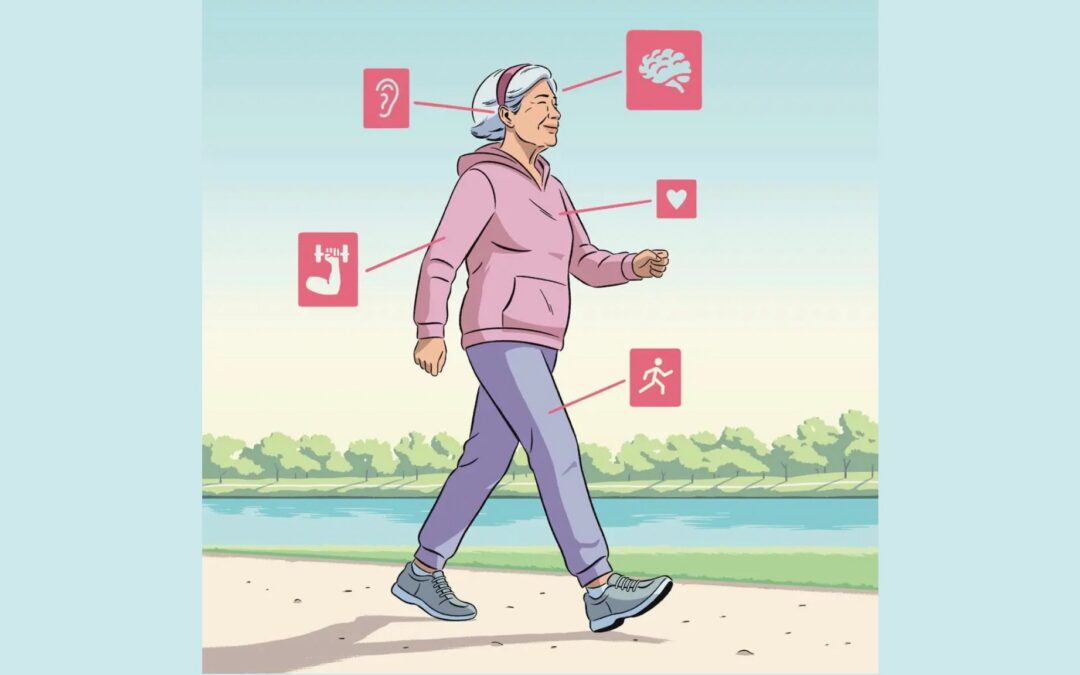
Intrinsic Capacity: The Most Important Longevity Term You’ve Probably Never Heard Of
Intrinsic Capacity is a new term experts are hoping to use to determine a person’s overall health in an effort to implement interventions for a longer, healthier, and happier life. Intrinsic Capacity is measured in five different key areas including cognition, locomotion, sensory capacity, psychological well-being, and vitality. Several studies are being implemented across the US to learn more on how to improve the accuracy of this metric and use it, eventually, for all ages.

LADA: Why So Many Adults Are Misdiagnosed With Type 2 Diabetes
A YouTube discussion from Taking Care of Your Diabetes (TCOYD) on why 4 in 10 people who are diagnosed with Latent Autoimmune Diabetes in Adults (LADA) are told they have Type 2 Diabetes first and the impact of this misdiagnosis on their health and progress.