

How to Support T1D
How to support someone you love who lives with Type 1 Diabetes (without feeling pressure)
Read more in:
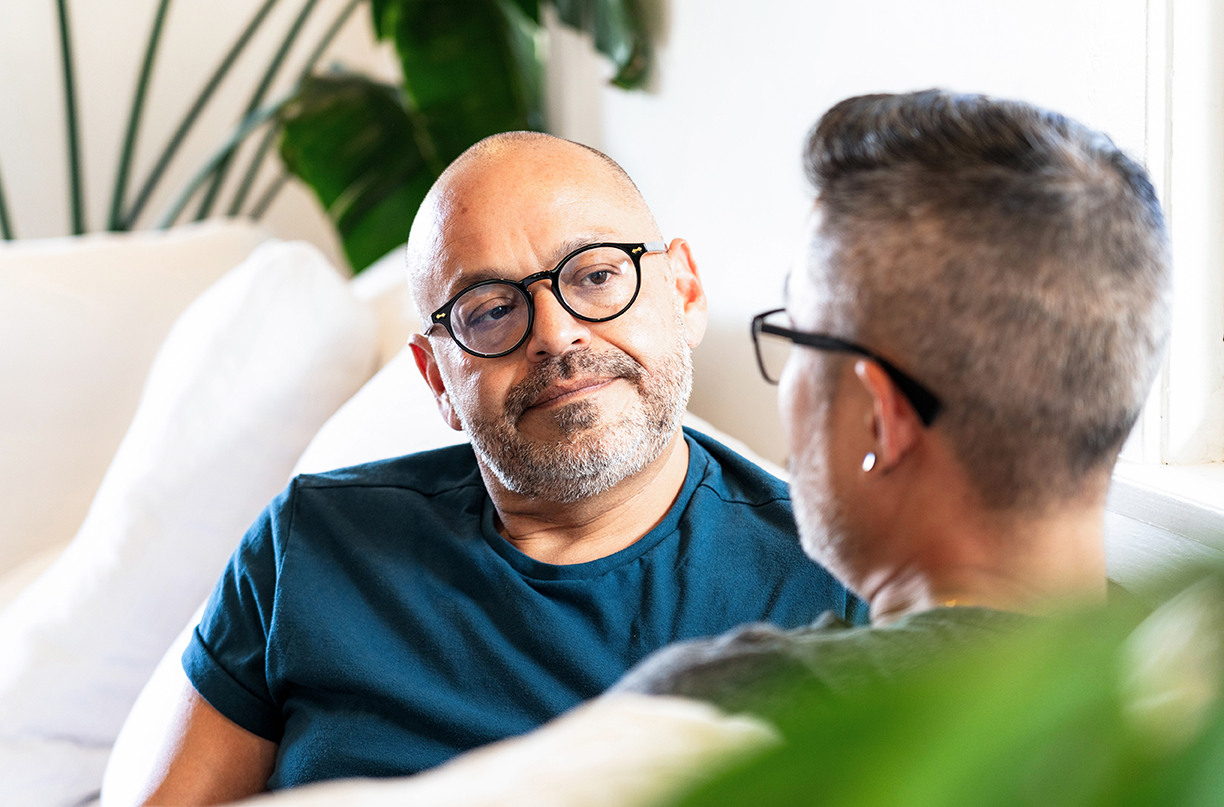
Ask before you step in
T1D is a deeply personal condition; every choice we make can impact blood-sugar levels. There’s no break, no pause, and no off switch. This means we feel so much responsibility—and sometimes guilt—when things don’t go perfectly.
The best approach? Just ask! A simple “Hey, is there anything I can do to support you?” gives your loved one the power to say, “Yeah, I’d love some backup,” or “Nope, I got this!”
Get the facts (from the right places)
One of the biggest frustrations for people with T1D is dealing with myths and misconceptions. No, it’s not caused by eating too much sugar. Yes, we can eat candy. And no, cinnamon is not a magical cure.
To better understand what your loved one with T1D experiences every day—and to be a stronger advocate for them—take the initiative to learn from reliable, helpful, and trusted sources. Start right here with T1D basics!
Keep low snacks handy
Low blood sugar moments can be stressful. Fast-acting carbs like fruit snacks or a juice box can save the day. Keep some in your bag, car, or pantry—you never know when you might be their low snack hero!
Bonus points
Learn what to do in an emergency, like how to use glucagon for severe low blood sugar. It’s one of those things you hope you never need but will be so glad you know.
Offer calm, supportive responses to blood sugar levels
Blood sugar numbers go up and down. And sometimes, no matter how hard someone tries, things don’t go as planned.
Our bodies do not produce insulin—but it’s even trickier than that. We also don’t regulate normal amounts of five other hormones that affect appetite, digestion, post-meal blood sugar levels, and more!
If your loved one’s blood sugar is running high or low, a calm and supportive response can show that you care without any added pressure. Avoid reactions like “Whoa, that’s high!” or “Why are you having so many lows?” Instead, try “Need anything?” or “If I can help, I’m here.”
Just listen
Sometimes, the best way to support someone living with type 1 diabetes isn’t about doing anything—it’s about simply being there.
Living with T1D can be exhausting, frustrating, and overwhelming. Just having someone to vent to—without judgment or added pressure—can make all the difference. Take the time to listen because it’s an opportunity to learn, ask questions, and be present.
And if you’re not sure what else to do? Ask! A simple “Want to talk about it?” or “Is there any other way I can support you?” goes a long way.
At the end of the day, your loved one wants to feel heard and understood. They want to know that you see how hard they are working and that you are there for support when they need it. And they appreciate you more than you know.
Last updated 08/26/2025.
Recent Stories

Interview – An Endo’s View: From the Other Side of the Examination Table
I conducted the interview below with my own endocrinologist Dr. David Lam. Our first visit lasted 90 minutes. We talked about diabetes only the last half hour. Lam is smart, tech savvy and responsive. As you might have guessed he is also compassionate, prizes partnership, and sees me as a person, not merely a condition. My husband was impressed when Dr. Lam stayed in text-touch with me, switching me from Lantus to Tresiba, over a weekend. I wanted to understand how he sees our challenges aging with type 1 diabetes and the ones he faces every day working within our industrialized health care system. He didn’t hesitate when I asked for this interview, so here’s an endocrinologist’s view from the other side of the examination table.
The New Science of Brain Workouts, Beyond Sudoku and Crosswords
Forget holding hands—new research reveals a surprising twist in how two people can become a dynamic duo against sudden loss of balance. A recent study, published in the Journal of the Royal Society Interface, demonstrates that when two individuals walk side by side, a rigid link between them dramatically accelerates balance recovery after unexpected slips.

Why Just Sharing a Stick While Walking Can Significantly Improve Balance
Forget holding hands—new research reveals a surprising twist in how two people can become a dynamic duo against sudden loss of balance. A recent study, published in the Journal of the Royal Society Interface, demonstrates that when two individuals walk side by side, a rigid link between them dramatically accelerates balance recovery after unexpected slips.