

Issues Regarding Use of Statins
Most medical guidelines (e.g., American Diabetes Association, American Heart Association) strongly support statin use in people with diabetes—especially those over age 40 or with additional risk factors—because:
- Statins lower LDL (“bad”) cholesterol, a major contributor to plaque buildup in arteries.
- Studies show statins reduce the risk of heart attack, stroke, and death in high-risk groups, including people with diabetes.
- They’re generally safe, effective, and inexpensive.
In people with Type 1 diabetes, many doctors recommend moderate- to high-intensity statins after age 40 or earlier if cardiovascular risk factors are present.
Concerns and Controversies
Some of the debates about statin use stem from:
1. Primary Prevention in Low-Risk Individuals
- Critics argue that statins may be overprescribed in people without existing heart disease or significant risk factors.
- The absolute benefit (actual reduction in events) is small in lower-risk individuals, even though the relative risk reduction is significant.
2. Side Effects
- Commonly reported side effects include muscle pain, fatigue, or liver enzyme changes.
- Rare but serious risks include diabetes onset (especially with higher doses) and cognitive complaints (though not proven conclusively).
- Some people feel the side effects outweigh the benefits, especially if their baseline risk is low.
3. Individualized Risk
- There’s a growing push for personalized medicine—using risk calculators (like ASCVD risk scores or coronary artery calcium scans) to guide statin use, rather than age or cholesterol levels alone.
- Some people with excellent lifestyle habits and low inflammatory markers may want to avoid medications unless absolutely necessary.
Ongoing Discussions in the Diabetes Community
In the Type 1 diabetes community, some patients and providers question whether blanket statin recommendations (e.g., “everyone over 40 with diabetes”) make sense. They argue that:
- T1D is not the same as T2D in terms of metabolic risk profiles.
- Some adults with well-controlled T1D and no other risk factors may not need a statin.
- More research is needed on statin benefits specific to T1D populations.
Bottom Line
Most experts agree statins save lives in high-risk patients—but for low-risk individuals or those hesitant about side effects, it’s reasonable to have a shared decision-making conversation with a doctor. In people with T1D, individual risk factors—like duration of diabetes, family history, cholesterol levels, kidney function, and blood pressure—should all be considered.
Last updated 2025-07-15
Recent Stories

Choosing Your 2027 Medicare Plan: An Open Enrollment Guide for People with Type 1 Diabetes
We have created this guide on how to choose your 2027 medicare plan including important dates, commons mistakes, and a checklist of things to do. There are also special insights on what you need to keep in mind, programs that could be helpful, and changes from the previous year. Read the full article for everything you need to know!
Intrinsic Capacity: The Most Important Longevity Term You’ve Probably Never Heard Of
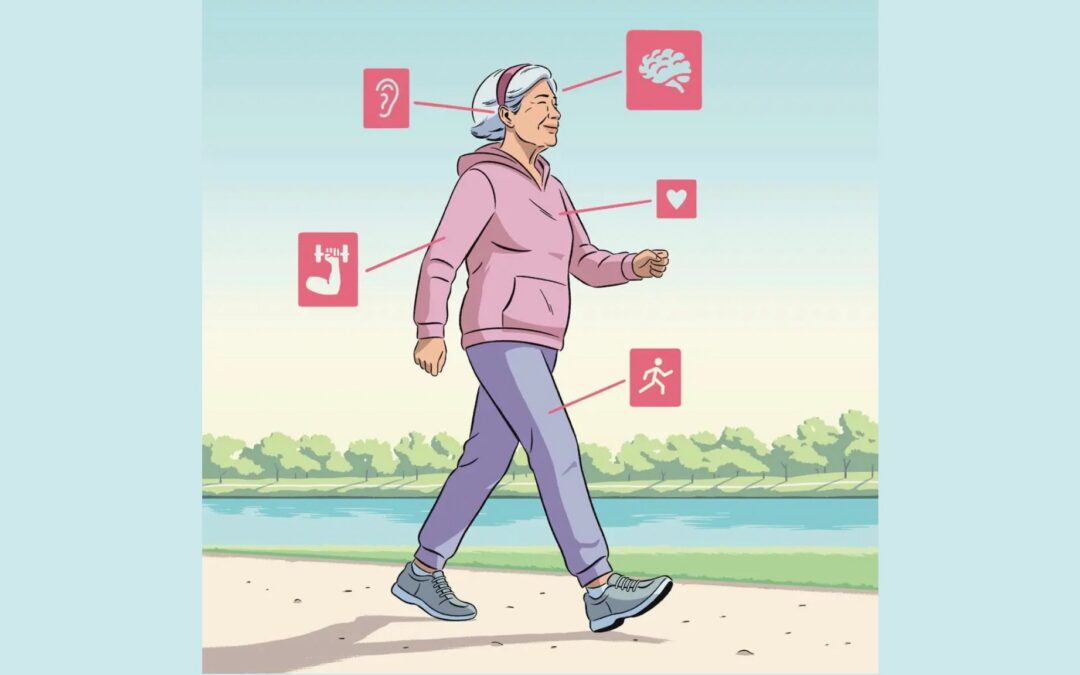
Intrinsic Capacity is a new term experts are hoping to use to determine a person’s overall health in an effort to implement interventions for a longer, healthier, and happier life. Intrinsic Capacity is measured in five different key areas including cognition, locomotion, sensory capacity, psychological well-being, and vitality. Several studies are being implemented across the US to learn more on how to improve the accuracy of this metric and use it, eventually, for all ages.

LADA: Why So Many Adults Are Misdiagnosed With Type 2 Diabetes
A YouTube discussion from Taking Care of Your Diabetes (TCOYD) on why 4 in 10 people who are diagnosed with Latent Autoimmune Diabetes in Adults (LADA) are told they have Type 2 Diabetes first and the impact of this misdiagnosis on their health and progress.