

Heart Disease in Adults with Type 1 Diabetes
People with type 1 diabetes (T1D) have a higher risk of developing heart disease than people without diabetes. In fact, cardiovascular disease (CVD) tends to occur earlier in life and is a leading cause of illness and death in those with T1D
Why Does Type 1 Diabetes Increase Heart Disease Risk?
Type 1 diabetes can damage the body’s blood vessels over time, leading to earlier and faster development of atherosclerosis (hardening and narrowing of the arteries). Chronic high blood sugar (hyperglycemia) plays a major role by causing inflammation and oxidative stress that injure blood vessel walls.
This damage makes it easier for fatty plaques to build up, eventually causing coronary artery disease (plaques in heart arteries) or other vascular problems. In addition, people with long-standing T1D often develop other risk factors that compound the danger, such as high blood pressure, unhealthy cholesterol levels, kidney disease, and diabetic neuropathy. These factors, combined with duration of diabetes, dramatically increase the likelihood of heart disease. Even with good blood sugar control, adults with T1D still have a higher risk of heart issues than the general population – and if blood sugar control is poor over many years, the risk becomes several times higher. In short, the combination of prolonged high blood glucose and other diabetes-related changes accelerates heart disease in this population.
Common Heart Conditions in Type 1 Diabetes
Adults with type 1 diabetes are more prone to the same kinds of heart problems that affect the general population, but they occur earlier and more frequently. The most common cardiac conditions include:
- Coronary artery disease (CAD) – This means a buildup of plaque in the arteries that supply the heart. CAD can lead to angina (chest pain) or heart attacks (myocardial infarctions). People with T1D develop CAD at younger ages, and their risk of heart attack is significantly higher (several-fold) than in people without diabetes. Over years of diabetes, high blood sugar and cholesterol contribute to plaque formation in the arteries that feed the heart muscle.
- Heart failure – Heart failure is when the heart cannot pump blood effectively. Type 1 diabetes can cause a form of cardiomyopathy (heart muscle dysfunction) due to both ischemic damage (from small heart attacks or poor blood flow) and direct effects of diabetes on the heart muscle. Studies show adults with T1D have a higher rate of heart failure at earlier ages compared to those without diabetes. This means the heart can become weak or stiff (diastolic dysfunction) after years of diabetes, leading to symptoms like fatigue, shortness of breath, and fluid retention. Good control of blood pressure, blood sugar, and prompt treatment of any heart attack can help reduce the progression to heart failure.
- Autonomic cardiac neuropathy (damage to the nerves that control the heart) – Long-term T1D can damage autonomic nerves, which may lead to a faster resting heart rate and exercise intolerance. It can also mask the symptoms of angina (a condition known as “silent ischemia,” where a person may have a heart attack without typical chest pain). While not a separate disease of the heart muscle or vessels, this condition is important because it affects how heart disease presents.
Other cardiovascular issues like high blood pressure and stroke are also more common in people with diabetes, but the focus here is on heart-specific conditions. The key takeaway is that T1D acts as a multiplier for heart risk – it makes common heart problems more likely and appear at younger ages than usual.
Screening and Early Detection of Heart Disease
Regular screening is essential to catch risk factors early and monitor heart health. This does not necessarily mean invasive tests for everyone, but rather routine checks during clinic visits. According to expert guidelines, if you have type 1 diabetes, your healthcare providers should regularly assess the following,.
- Blood pressure: Check at each routine visit. Keeping blood pressure in a healthy range (often around or below 130/80 mmHg for those with diabetes) is crucial to reduce strain on the heart.
- Cholesterol and lipid profile: Do a blood test at least once a year to monitor cholesterol levels (LDL, HDL, triglycerides). Unhealthy cholesterol levels are treated to lower the risk of plaque buildup. If results are normal and risk is low, your doctor might space this test every 2–5 years, but many people with T1D will be on cholesterol medication and get yearly checks.
- Kidney function: Test urine for protein (microalbumin) annually and check blood creatinine. The kidneys are often called the “canary in the coal mine” for diabetes – early kidney damage (diabetic kidney disease) not only needs treatment on its own, but also greatly increases heart risk. Detecting kidney issues early allows more aggressive management to protect both kidney and heart health.
- Weight, diet, and lifestyle review: At least yearly (if not at every visit), discuss body weight, diet, exercise habits, and smoking status. These lifestyle factors are modifiable risks for heart disease. For example, if you smoke, your doctor will strongly advise quitting, as smoking combined with diabetes is very harmful to the cardiovascular system
- Heart-specific tests (when indicated): In patients without any symptoms, routine screening tests for coronary artery disease (like treadmill stress tests or heart scans) are not recommended. This is because testing every person with diabetes for silent heart disease has not been shown to improve outcomes if risk factors are already being treated. However, your doctor will order appropriate tests if you develop symptoms suggestive of heart problems. Pay attention to warning signs such as chest pain, tightness or pressure, shortness of breath with activity, unexplained fatigue, or palpitations. In those cases, an electrocardiogram (ECG), stress test, or imaging (like an echocardiogram or coronary CT scan) might be done to investigate further. Also, if you plan to start an intensive exercise program or have multiple risk factors, your doctor might perform an evaluation of your heart to ensure it’s safe to proceed.
In summary, the screening strategy is to monitor risk factors regularly and stay vigilant for symptoms. By managing blood pressure, cholesterol, and blood sugar proactively, and by getting evaluated promptly if any cardiac symptoms arise, adults with type 1 diabetes can significantly reduce their chances of a serious heart event.
Preventive Lifestyle Measures for Heart Health
The good news is that there are many lifestyle steps you can take to protect your heart. These lifestyle measures benefit everyone but are especially powerful for people with diabetes:
- Healthy eating: Focus on a heart-healthy diet. This means plenty of vegetables, fruits, whole grains, lean proteins (like fish, chicken, beans), and healthy fats (such as those from nuts, olive oil, avocado). Limit saturated and trans fats (found in fried foods, fatty meats, butter, and many processed snacks) as well as added sugars. A Mediterranean-style diet or DASH diet (Dietary Approaches to Stop Hypertension) is often recommended for diabetes and heart disease prevention. These diets emphasize the foods above and can improve cholesterol and blood pressure. Also, watch your salt intake to help control blood pressure.
- Regular exercise: Aim for about 150 minutes of moderate exercise per week (for example, 30 minutes a day, 5 days a week) or as advised by your doctor. Activities like brisk walking, cycling, swimming, or jogging help strengthen the heart, improve circulation, and assist with weight management and blood sugar control. If you’re not used to exercise, start small and build up gradually. Exercise also improves insulin sensitivity, which can help manage blood glucose. Always consult your healthcare team about an exercise plan, especially if you have any complications.
- Maintain a healthy weight: If you are overweight, even modest weight loss can improve blood pressure, cholesterol, and blood sugar levels, all of which reduces heart strain. Work with a dietitian or diabetes educator if needed to set realistic weight goals.
- No smoking: Smoking dramatically increases the risk of heart attack and stroke. Combining smoking with diabetes is like “double damage” to blood vessels. Quitting smoking is one of the best things you can do for your heart (and overall) health. If you need help quitting, ask your doctor – there are programs, medications, and counseling that can be very effective.
- Stress management and sleep: Chronic stress and poor sleep can negatively impact blood sugar control and blood pressure. Practices like yoga, meditation, deep-breathing exercises, or even counseling for stress management can indirectly help your heart by improving how you manage diabetes day-to-day. Ensure you get adequate sleep, as sleep deprivation can increase cardiovascular risk factors.
Adopting these lifestyle habits can be challenging, but you don’t have to do it all at once. Small changes sustained over time make a big difference. Many patients find that working with a diabetes educator or nutritionist in addition to their doctors helps them stay on track with lifestyle goals.
Medical Treatment and Management Strategies
In addition to lifestyle changes, medical treatments are often recommended to reduce cardiovascular risk in people with T1D. These treatments target the risk factors we’ve discussed.
- Optimal blood sugar control: Keeping your blood glucose levels in your target range (often an HbA1c of around 7% or as individualized by your doctor) is vital. Tight glucose control helps prevent the damage to blood vessels that leads to heart disease. This is achieved through appropriate insulin therapy (multiple daily injections or an insulin pump) and glucose monitoring. Newer technologies like continuous glucose monitors (CGMs) and hybrid closed-loop insulin pumps can help maintain stable sugars, which over the years can translate into lower heart risk. Good diabetes control also prevents or delays other complications (kidney, nerve, eye problems) that themselves add to heart risk.
- Blood pressure medications: If your blood pressure is high or even in the upper range of normal, your doctor may prescribe medication to help protect your heart and kidneys. ACE inhibitors or ARBs (such as lisinopril, enalapril, or losartan) are commonly used in diabetes because they not only lower blood pressure but also protect kidney function. The typical blood pressure goal for someone with diabetes is < 140/90 mmHg, and many guidelines suggest aiming for about 130/80 if it can be achieved safely, to further reduce cardiovascular risk. Controlling blood pressure can significantly lower the risk of heart attacks and especially heart failure.
- Cholesterol-lowering therapy (statins): Most adults with type 1 diabetes will benefit from taking a statin medication to lower LDL (“bad” cholesterol). Guidelines generally recommend that starting by age 40 (and sometimes earlier if there are other risk factors), patients with diabetes should be on at least a moderate-intensity statin for primary prevention of cardiovascular disease. Examples include atorvastatin and rosuvastatin. Statins reduce cholesterol buildup in arteries and have been shown to lower the chance of heart attacks and strokes. If you already have evidence of cardiovascular disease or very high LDL, a high-intensity statin will likely be used to aggressively lower cholesterol. Your doctor will monitor your cholesterol levels and may add other medications (like ezetimibe or PCSK9 inhibitors) if statins alone aren’t enough to reach your cholesterol goals.
- Aspirin or other antiplatelet drugs: Aspirin can help prevent blood clots that cause heart attacks and strokes. In the past, it was routinely given to most people with diabetes over a certain age. Nowadays, the approach is more individualized. If you have existing cardiovascular disease (for example, a prior heart attack, stent, or stroke), a daily low-dose aspirin is usually recommended as secondary prevention (to prevent another event), unless there’s a reason you shouldn’t take it. For primary prevention (no previous heart attack/stroke), your doctor will consider your overall risk: if your cardiovascular risk is high and your bleeding risk is low, they may advise a daily aspirin. However, if you are younger or at lower risk, the benefit may not outweigh the bleeding risk. Always talk to your doctor before starting or stopping aspirin.
- Heart-specific medications: If you have been diagnosed with a heart condition, you will be treated accordingly. For example, after a heart attack, medications like beta blockers (which reduce the heart’s workload and prevent abnormal rhythms) and ACE inhibitors are typically prescribed, and sometimes aldosterone blockers if heart failure is a concern. For heart failure, there are effective medications (ACE inhibitors/ARBs, beta blockers, mineralocorticoid receptor antagonists, and others) that improve symptoms and outcomes. It’s important to take all heart medications as directed and follow up regularly with your healthcare providers.
- Other medications: Depending on your situation, doctors might also address other related issues. For instance, if you have albumin in your urine (early kidney disease), an ACE inhibitor is usually started (as mentioned) to protect kidneys and heart. If you have a lot of protein in your blood (like very high triglycerides), a fibrate or high-dose omega-3 prescription might be used to lower the risk of pancreatitis and possibly benefit your heart. Every patient’s case is a bit different, so treatment is tailored to your risk factor profile.
It’s worth noting that advances in diabetes technology and treatments (like better insulins, continuous monitors, and possibly adjunct medications under study for type 1) are continually improving the outlook. Maintaining open communication with your care team about your numbers (blood sugar logs, home blood pressure readings, etc.) will allow them to adjust treatments promptly and keep you on the right track.
Coordinated Care: Which Doctors Should Be Involved?
Managing type 1 diabetes and preventing cardiac disease is truly a team effort. As an adult with T1D, you will likely have several healthcare professionals looking after different aspects of your health:
- Primary care physician (PCP): Your family doctor or internist often serves as the quarterback of your care team. They help monitor your overall health, ensure guideline-recommended screenings are done, treat general medical issues, and coordinate referrals to specialists. They’ll keep an eye on your blood pressure, cholesterol, and other routine health maintenance in between specialist visits.
- Endocrinologist: This is a diabetes specialist. Most adults with type 1 diabetes benefit from seeing an endocrinologist regularly (typically every 3–6 months, depending on how things are going). The endocrinologist focuses on blood glucose control, insulin management, and any diabetes-related complications. They will adjust your insulin regimen, suggest technology (like pumps/CGMs), and manage things like thyroid issues or other autoimmune conditions that often coexist. By keeping your diabetes under tight control, the endocrinologist plays a big role in reducing your heart risks.
- Cardiologist: A cardiologist is a heart specialist. You might not need to see a cardiologist right away if you have no signs of heart disease and your risk factors are well-managed by your PCP/endocrinologist. However, many people with long-term T1D do start seeing a cardiologist, especially if there are any abnormal findings (like an EKG change) or symptoms, or simply as they get older and the duration of diabetes exceeds, say, 20–30 years. A cardiologist can perform more in-depth evaluations of your heart health (stress tests, imaging) if needed. If any heart condition is diagnosed (such as CAD or heart failure), the cardiologist will direct specialized treatment and follow-up. It’s a good idea for your cardiologist to communicate closely with your endocrinologist since treatments can affect blood sugar (for example, starting a beta blocker for the heart might change how you recognize low sugars).
- Dietitian and Certified Diabetes Educator (CDE): These professionals provide education and support for day-to-day management. A registered dietitian can help you create meal plans that keep your blood sugar stable and heart-healthy. They can tailor advice to your lifestyle and preferences. A CDE (which could be a nurse, pharmacist, or dietitian with special training) will teach you about insulin dosing, carb counting, glucose monitoring, and problem-solving high or low sugars. They also reinforce the importance of foot care, eye exams, and other routines to catch complications early. While they are not “doctors,” they are key members of the care team that help you implement the medical advice in your daily life.
- Others as needed: If you develop specific complications, other specialists may join. For example, a nephrologist (kidney doctor) if kidney disease progresses, or a neurologist for severe neuropathy. A podiatrist (foot doctor) might be involved if you have foot problems related to diabetes. And don’t forget mental health professionals – dealing with a chronic condition can be stressful, so a counselor or psychologist can help with coping strategies, which indirectly benefits your physical health too.
Each provider addresses a piece of the puzzle, and together they help you manage type 1 diabetes comprehensively. It’s important to keep regular appointments with your doctors and not skip recommended tests (like yearly eye exams and foot checks, which indirectly also indicate how well your blood vessels are doing). Communication is vital: make sure each doctor knows about the others and that you update them on any changes in medication. Many clinics offer integrative care where, for example, your endocrinologist and cardiologist can share notes electronically.
Take-Home Message
While having type 1 diabetes does increase the risk of heart disease, being aware of this risk is the first step in combating it. By understanding why the risk is higher (long-term high blood sugar and related factors), knowing which heart problems to watch for, and following the recommended screening schedule, you can catch issues early – or prevent them altogether. Lifestyle changes go a long way: a heart-healthy diet, regular exercise, no smoking, and good stress management are powerful tools in your control. On top of that, medical therapies like insulin, statins, and blood pressure medications are there to support you in staying healthy. Work closely with your healthcare team, including your primary doctor, endocrinologist, and potentially a cardiologist, and don’t hesitate to ask questions or report new symptoms. With proactive care, many people with type 1 diabetes live long, healthy lives without serious heart problems. Your diabetes might be a lifelong condition, but with the right strategies, heart disease doesn’t have to be.
📚 Additional Resources
Sources for the above article:
- Cardiovascular Disease in Type 1 Diabetes Mellitus, findings from recent population studies on heart attack and heart failure rates in T1D
- Risk factors, mortality trends, and cardiovascular diseases in people with Type 1 diabetes and controls in Sweden
- Preventing Cardiovascular Complications in Type 1 Diabetes. This article explains why heart problems are more common in adults with type 1 diabetes, which heart conditions happen more frequently, and how to screen for and treat these issues. The goal is to help individuals with T1D understand the risks and manage their health proactively with the right care team.
Issues Regarding Use of Statins
Statins & Cholesterol in Type 1 Diabetes: What You Need to Know
Peripheral Artery Disease and Exercise
Last updated 07/16/2025.
Recent Stories

Choosing Your 2027 Medicare Plan: An Open Enrollment Guide for People with Type 1 Diabetes
We have created this guide on how to choose your 2027 medicare plan including important dates, commons mistakes, and a checklist of things to do. There are also special insights on what you need to keep in mind, programs that could be helpful, and changes from the previous year. Read the full article for everything you need to know!
Intrinsic Capacity: The Most Important Longevity Term You’ve Probably Never Heard Of
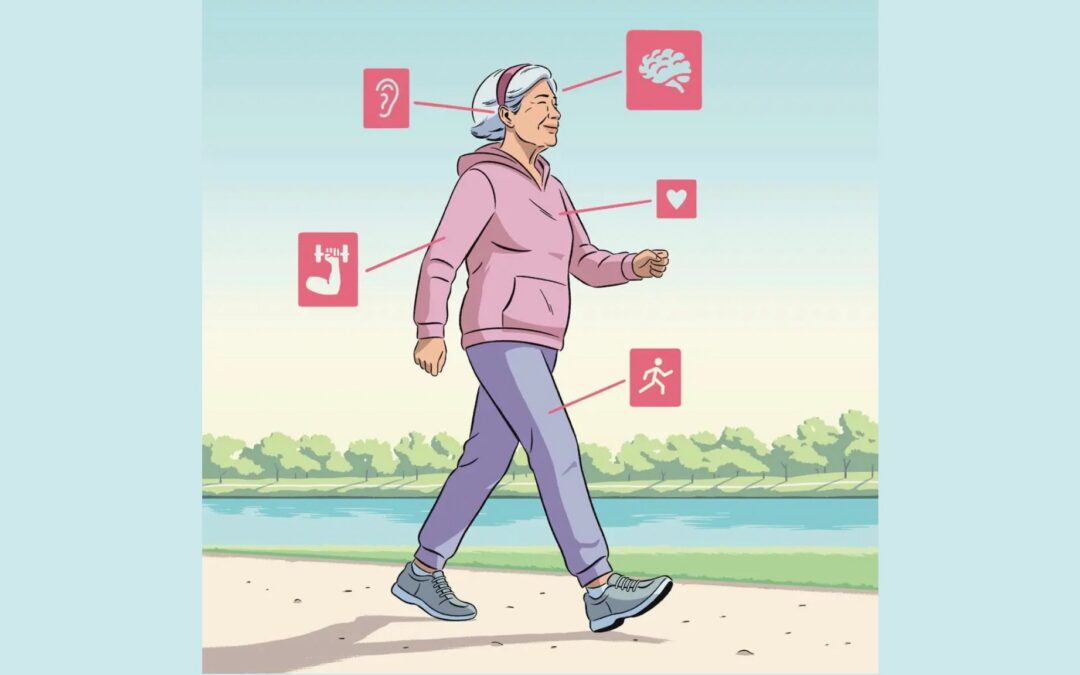
Intrinsic Capacity is a new term experts are hoping to use to determine a person’s overall health in an effort to implement interventions for a longer, healthier, and happier life. Intrinsic Capacity is measured in five different key areas including cognition, locomotion, sensory capacity, psychological well-being, and vitality. Several studies are being implemented across the US to learn more on how to improve the accuracy of this metric and use it, eventually, for all ages.

LADA: Why So Many Adults Are Misdiagnosed With Type 2 Diabetes
A YouTube discussion from Taking Care of Your Diabetes (TCOYD) on why 4 in 10 people who are diagnosed with Latent Autoimmune Diabetes in Adults (LADA) are told they have Type 2 Diabetes first and the impact of this misdiagnosis on their health and progress.