

Type 1 Diabetes and Dry Mouth: Causes, Management, and Connections to Dry Eyes
Among the many complications associated with T1D, dry mouth (xerostomia) is a frequently reported, albeit often overlooked, symptom. This condition can significantly impact oral health and quality of life, and it may also overlap with symptoms of dry eyes (keratoconjunctivitis sicca), suggesting broader systemic implications.
Is Dry Mouth Common in Type 1 Diabetes?
Yes, dry mouth is a relatively common occurrence among individuals with Type 1 diabetes. Studies estimate that up to 30-40% of people with diabetes may experience xerostomia. Factors contributing to this include persistent hyperglycemia, medication side effects, and potential involvement of autoimmune mechanisms.
Causes of Dry Mouth in T1D
Several factors can contribute to dry mouth in T1D:
- Hyperglycemia: High blood sugar levels can lead to dehydration, as the kidneys work to excrete excess glucose. This process often causes frequent urination (polyuria) and can reduce overall hydration, leading to a dry mouth.
- Autonomic Neuropathy: Chronic diabetes can damage the autonomic nerves responsible for stimulating salivary glands, leading to decreased saliva production.
- Medications: Common diabetes medications, as well as drugs used for other conditions you may have, like hypertension or depression, often list dry mouth as a side effect.
- Autoimmune Overlap: People with T1D are at higher risk for other autoimmune conditions, such as Sjögren’s syndrome, which directly affects moisture-producing glands, causing dry mouth and eyes.
- Infections: Diabetes can predispose individuals to fungal infections which can exacerbate feelings of dryness.
Managing Dry Mouth
Managing dry mouth effectively involves addressing its underlying causes and adopting lifestyle changes. Here are some strategies:
- Stay Hydrated: Drink plenty of water throughout the day to combat dehydration. Avoid sugary or caffeinated beverages, which can worsen dryness.
- Control Blood Glucose: Maintaining tight glycemic control can reduce symptoms associated with hyperglycemia, including dehydration.
- Use Saliva Substitutes: Artificial saliva products, available as sprays or lozenges, can provide temporary relief.
- Stimulate Saliva Production:
- Chew sugar-free gum or suck on sugar-free candies.
- Consume tart foods or beverages to stimulate the salivary glands.
- Optimize Oral Hygiene: Brush and floss regularly to prevent cavities and gum disease, which are risks due to reduced saliva.
- Humidify the Air: Use a humidifier, especially at night, to maintain moisture levels in your living environment.
- Consult a Specialist: Seek advice from a dentist or endocrinologist for tailored treatments. Prescription medications may be recommended in severe cases.
Managing Dry Eyes
Dry eyes often co-occur with dry mouth, particularly in autoimmune conditions like Sjögren’s syndrome. Management includes:
- Artificial Tears: Over-the-counter lubricating eye drops can provide immediate relief.
- Omega-3 Fatty Acids: Adding omega-3 supplements or fatty fish to your diet can support eye lubrication.
- Environmental Adjustments: Avoid exposure to wind, smoke, or air conditioning, which can exacerbate dryness.
- Regular Blink Breaks: For those who spend long hours on screens, taking regular breaks to blink can help maintain eye moisture.
- Medical Treatments: If over-the-counter solutions are insufficient, prescription treatments may be necessary.
The Intersection of Dry Mouth and Dry Eyes
The concurrence of dry mouth and dry eyes in T1D may suggest an underlying autoimmune or systemic issue. For example, research has highlighted the link between T1D and Sjögren’s syndrome. Regular monitoring by healthcare providers is essential to differentiate and address overlapping conditions.
Research and Evidence
Recent studies highlight the prevalence and mechanisms of dry mouth (xerostomia) and dry eyes (keratoconjunctivitis sicca)) in diabetes:
- Xerostomia and Glycemic Control: A 2021 study in the Journal of Oral Health and Dental Management emphasized the correlation between poor glycemic control and increased prevalence of xerostomia in diabetes.
- Autoimmune Associations: A 2023 review in Diabetes and Autoimmune Research detailed the higher likelihood of secondary autoimmune conditions like Sjögren’s syndrome in individuals with T1D.
- Dry Mouth and Oral Health: A 2022 study in the Journal of Clinical Diabetes found that untreated xerostomia significantly raises the risk of periodontal disease and dental caries in T1D patients.
For specific recommendations, consult with your endocrinologist, dentist, or ophthalmologist.
Last updated 2025-07-14
Recent Stories

Choosing Your 2027 Medicare Plan: An Open Enrollment Guide for People with Type 1 Diabetes
We have created this guide on how to choose your 2027 medicare plan including important dates, commons mistakes, and a checklist of things to do. There are also special insights on what you need to keep in mind, programs that could be helpful, and changes from the previous year. Read the full article for everything you need to know!
Intrinsic Capacity: The Most Important Longevity Term You’ve Probably Never Heard Of
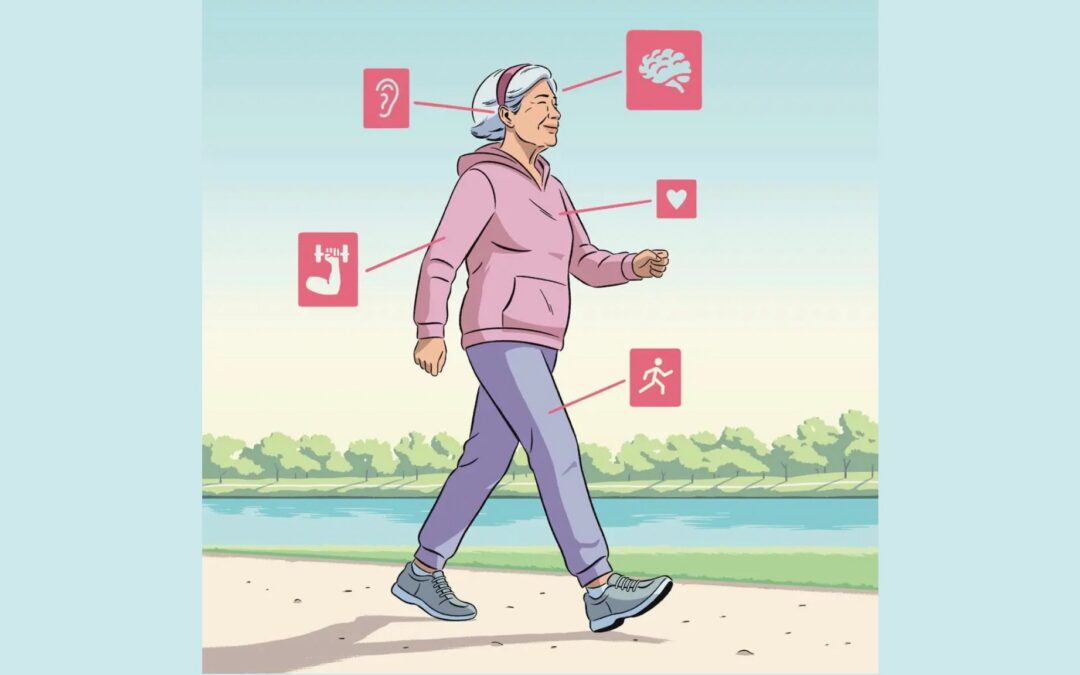
Intrinsic Capacity is a new term experts are hoping to use to determine a person’s overall health in an effort to implement interventions for a longer, healthier, and happier life. Intrinsic Capacity is measured in five different key areas including cognition, locomotion, sensory capacity, psychological well-being, and vitality. Several studies are being implemented across the US to learn more on how to improve the accuracy of this metric and use it, eventually, for all ages.

LADA: Why So Many Adults Are Misdiagnosed With Type 2 Diabetes
A YouTube discussion from Taking Care of Your Diabetes (TCOYD) on why 4 in 10 people who are diagnosed with Latent Autoimmune Diabetes in Adults (LADA) are told they have Type 2 Diabetes first and the impact of this misdiagnosis on their health and progress.