


Aging with Type 1 Diabetes: When All of Life Suddenly Changes
A T1Dto100 Exclusive Interview
T1Dto100 recently met with Teresa, a retired Psychotherapist and T1D since she was two years old, to hear her story.
T1Dto100: So, Teresa, tell us what happened to you about 18 months ago:
Teresa: My husband and I were close to celebrating our 50th wedding anniversary when he had a stroke. He’d had a stroke six years ago, too, and I had a suspicion he was having one TIA after another for about a year. But this time, it happened again, and then, he was gone. It wasn’t totally unexpected. But whoever thought that I’d outlive him? He was perfectly healthy, slender, active. And I’m a T1D!
T1Dto100: The death of a long-time spouse is one of life’s most stressful events. You had to navigate the loss of your husband with consideration for your own long-term needs and care. How did you respond? What challenges did you face early on?
Teresa: First off, there was the fear. I’m very self-sufficient. I’ve been diabetic for 72 years, so it’s not that I didn’t know what to do to take care of myself. But, sleeping through the night was difficult, even though I have a CGM. I was still scared to death that something would happen, and my blood sugars during that initial time were insane.
As a retired Psychotherapist, I know the importance of how we talk to ourselves. But the fact was that I felt like a 1950’s housewife. I knew nothing about money. My husband was very good at investing, and he kept trying to involve me in it and I didn’t care. He was also a computer scientist with tight security on his computer where our household records were stored. Oh my, working through that was a nightmare!
Fortunately, a number of years ago, planning ahead for our lives, we had enrolled in a local continuing care retirement community (CCRC) near our home.
T1Dto100: For those of you who don’t know, CCRCs provide lifetime housing and access to long-term care services with a wide range of housing options, health care, amenities, services, and activities that allow residents with varying healthcare needs to stay in the same community as they age.
Teresa: We lived in a house on 10 acres. It was a lot to care for on my own. We were on the waiting list at the CCRC; fortunately, I was able to move in at this time when I was so in need.
I moved into a nice cottage on the property. The activity of preparing for and planning the move helped me get through the early days after my husband passed. I threw myself into it, which I think helped me from going totally insane.
T1Dto100: Keeping busy is one way to deal with all the difficult realities of a sudden loss. Another way to deal with loss is by leveraging your family. But you have no children.
Teresa: Being a diabetic born in 1952, my mother always said, “It’s a good thing you don’t like kids because you shouldn’t have them anyway.” It was the message of that era to you, as a T1D, and to your parents. It was the fear we grew up with.
T1Dto100: But you were not completely alone. How about your friends?
Teresa: My husband and I were kind of in our own little bubble in our lives, in many ways, and I was self-employed. We’ve always had friends, but I don’t think I ever really let them in. But boy, my friends have saved me this last year and a half! They are there for me. I get a text from someone every day. I’ve been happy about the fact that I can keep that up, tell them how grateful I am, and ask for help when I need it.
I don’t want to just make one friend the reciprocal of everything my husband was. So, I’ll talk to Rob about this. I’ll talk to Maria about that. And Karen about this. Susan about that. It’s hard to keep up with everyone supporting you in different ways. When you have a partner, you talk about anything you want. They know you so deeply. That is such a hard transition. I can’t imagine anybody ever filling that full role again.
T1Dto100: How did you do with your diabetes care during that transitional time?
Teresa: Through it all, I have taken care of myself. I’ve taken care of my diabetes. I take my various medications. I get enough sleep, when I can. Those things are so deeply ingrained in me, no matter how upset I am. I look at my pump 4,000 times a day. I attend to my T1D needs. I eat well. All that stuff. I wear a Tandem T-Slim pump and use a Dexcom CGM.
T1Dto100: Was your husband interested in your diabetes care?
Teresa: He was so phenomenal. He was curious about diabetes. One of the first things we ever did was to go to a conference about diabetes. I’d never even heard of such a thing before. And he was curious about it. He said later he wanted to know what he was getting into. And that really impressed me. Yet, he wasn’t intrusive in my diabetes. However, if I needed some help with something, he’d help.
The assumption was always that I would die first. Of course, I’ve been frightened of complications my entire life. And, so far, so good.
Well, my husband went above and beyond trying to help me understand our financial things before he passed. Not that I paid any attention to it. Why should I? I would die first. Boy, that’s my word to every woman I meet: don’t just think everything you have to do after the death of a spouse is going to be pretty seamless because it’s not. It’s a nightmare trying to get death certificates and all the things you need.
Could I just make a pitch? Look into the CCRCs. I think it’s about as good as it gets. And it’s not perfect at all. I still know much, much, much more about diabetes than they do. But at least it’s something. I have a place to be.
T1Dto100: If it’s as good as it gets, what do they do well? What are you impressed with?
Teresa: Well, I hated to cook. Frankly, I like going to get food and having a choice of what I want to eat. I like having my place cleaned every week. I like feeling safe. I never lock my door.
And if I feel like going for a walk at one o’clock in the morning, which I did initially when I moved in here, I am perfectly safe. People here are friendly, the residents as well as the staff. They have a very good social work department.
I’m not using their doctors here because I already had good care providers, especially in endocrinology. I just don’t see any reason to talk to somebody who doesn’t know as much about Type 1 Diabetes as I do.
T1Dto100: In terms of the food, are you getting the kinds of food that you would choose on your own?
Teresa: Well, I was sort of a vegetarian because I’m a very, very big animal rights activist. Now, I’m eating flesh like there’s no tomorrow, which I actually feel pretty guilty about.
But I must admit, I lost 10 pounds a couple of years before my husband died and then another 10 pounds when he died. I really haven’t put it back on.
So that’s my big justification for the fact that I eat dessert every single night, which is extraordinary to me. I keep saying to my endo, “Oh, is this how everybody else lives?” It’s extraordinary. It doesn’t seem to affect my blood sugar. It’s very weird! Whoever heard of not putting on weight when I eat like this? Whoever heard of a diabetic having dessert every night?
T1Dto100: Is there anything you would tell someone to specifically be aware of if they are looking into a place to move as they age?
Teresa [laughing]: That everyone here is old! I am probably among the youngest in the place I am living. Everybody says this when they first move in. Most people are in their early 80s. I’m 74. Some of them do seem old. But a lot of people are very, very active, travel all the time, and so on. But you also see people with mobility problems, developing dementia, hearing loss. I don’t mean to sound like a Pollyanna, but around here, I feel positively spry!
T1Dto100: Now that you are settled, what are some things that, in hindsight, you wish you had done differently, knowing what you know now?
Teresa: Well, obviously, I should have paid more attention to the finances. And I actually wish I hadn’t retired three years ago. I loved my private practice, but I hated Zooming. It’s just not how you do therapy – staring at somebody’s face, but not being able to see their body language.
So, anyway, I retired, and I actually got quite depressed after that. Then I began to notice that my husband was declining.
I’d come home at the end of the day, and we’d have a glass of wine and catch up. I’d ask him what he did all day. He’d say, “Oh, not a lot.”
He really was not doing anything. And that was rather horrifying to me.
There are a lot of women here who are widowed at this point. And, of course, women would tend to come into this communitarian place probably more than men. I think men are not as social, which is one of the things that keeps women going.
T1Dto100: Are you getting the opportunities to do different things or things you wouldn’t maybe have done in the past?
Teresa: There’s a lot to do here. I must admit. There are loads of exercise classes. There’s a pool. There are lectures. My joke is I’ve made eye contact at all the wrong times. The next thing I know, I’m on a committee and I’m in charge of something, which is actually good for me because I’m really busy right now. I’m enjoying it because I think being busy is keeping me going.
T1Dto100: You said earlier that you and your husband selected this community a number of years before you were going to move in. How did you go about finding and selecting this CCRC?
Teresa: Actually, a friend talked me into it. I thought it was preposterous when she suggested it, but that was about 10 years ago. So, we got on the waiting list, and it’s about a 10-year waiting list now to get into this community. So, again, I’m really glad I did that. This particular place suited us best. It was the most down to earth.
T1Dto100: Any final thoughts?
Teresa: Despite the dire warning in 1952 that I’d probably never see adulthood, here I am: 74 years old without complications, several graduate degrees, well-traveled, and starting the next chapter of my life!
This interview was conducted on November 18, 2024, by Barbara Giammona and Joanne Milo.
Do you have an aging with diabetes story to tell? We’d love to hear it. Contact us here.
Recent Stories

Choosing Your 2027 Medicare Plan: An Open Enrollment Guide for People with Type 1 Diabetes
We have created this guide on how to choose your 2027 medicare plan including important dates, commons mistakes, and a checklist of things to do. There are also special insights on what you need to keep in mind, programs that could be helpful, and changes from the previous year. Read the full article for everything you need to know!
Intrinsic Capacity: The Most Important Longevity Term You’ve Probably Never Heard Of
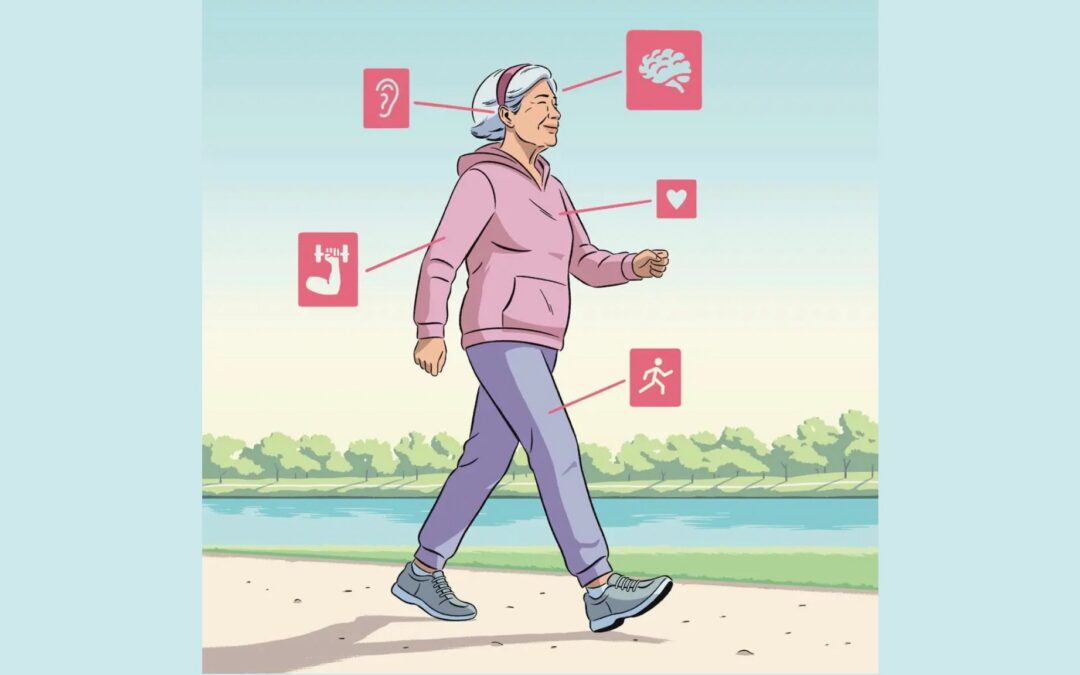
Intrinsic Capacity is a new term experts are hoping to use to determine a person’s overall health in an effort to implement interventions for a longer, healthier, and happier life. Intrinsic Capacity is measured in five different key areas including cognition, locomotion, sensory capacity, psychological well-being, and vitality. Several studies are being implemented across the US to learn more on how to improve the accuracy of this metric and use it, eventually, for all ages.
LADA: Why So Many Adults Are Misdiagnosed With Type 2 Diabetes
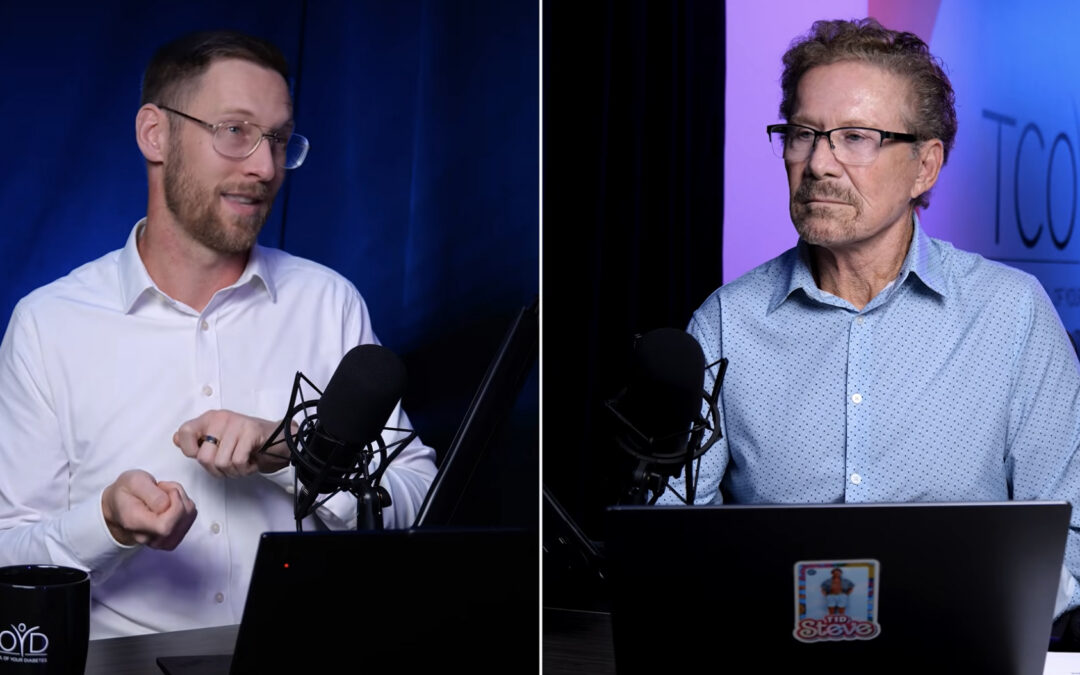
A YouTube discussion from Taking Care of Your Diabetes (TCOYD) on why 4 in 10 people who are diagnosed with Latent Autoimmune Diabetes in Adults (LADA) are told they have Type 2 Diabetes first and the impact of this misdiagnosis on their health and progress.
Interview – An Endo’s View: From the Other Side of the Examination Table
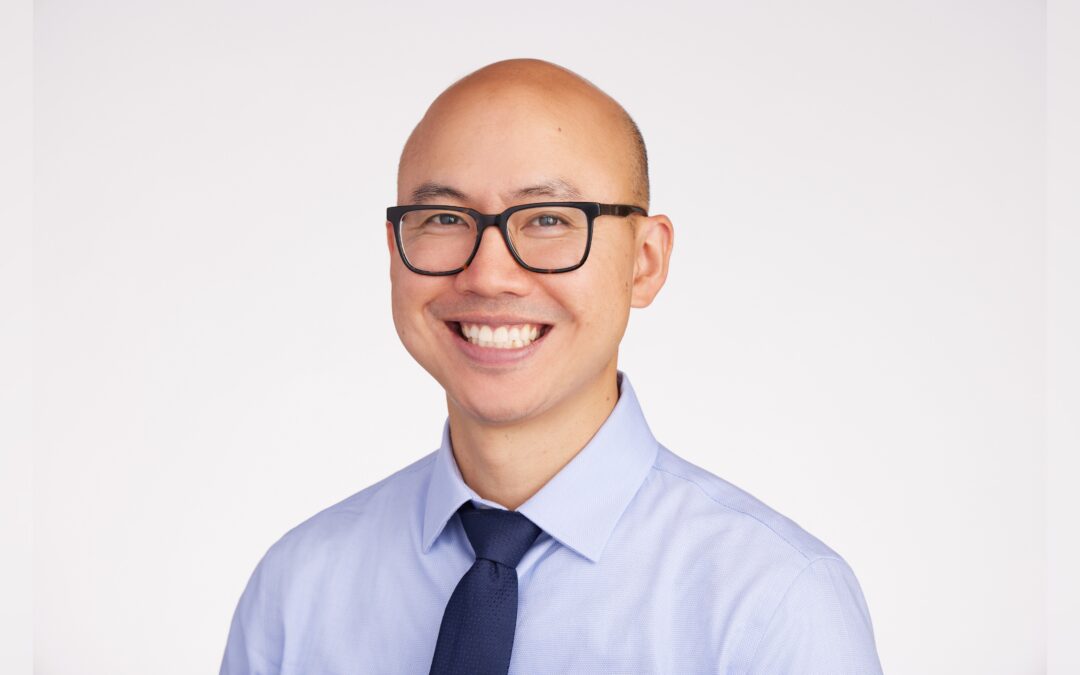
I conducted the interview below with my own endocrinologist Dr. David Lam. Our first visit lasted 90 minutes. We talked about diabetes only the last half hour. Lam is smart, tech savvy and responsive. As you might have guessed he is also compassionate, prizes partnership, and sees me as a person, not merely a condition. My husband was impressed when Dr. Lam stayed in text-touch with me, switching me from Lantus to Tresiba, over a weekend. I wanted to understand how he sees our challenges aging with type 1 diabetes and the ones he faces every day working within our industrialized health care system. He didn’t hesitate when I asked for this interview, so here’s an endocrinologist’s view from the other side of the examination table.

The New Science of Brain Workouts, Beyond Sudoku and Crosswords
Forget holding hands—new research reveals a surprising twist in how two people can become a dynamic duo against sudden loss of balance. A recent study, published in the Journal of the Royal Society Interface, demonstrates that when two individuals walk side by side, a rigid link between them dramatically accelerates balance recovery after unexpected slips.
0 Comments