

No Stress Art Habits
How to start a super consistent, no stress art habit
A few years ago, one of my good friends, a UX designer, reached a point in his career where he felt like he’d strayed too far from what drew him to a design career in the first place: visual art. He spent his days in meetings and Figma files, but missed painting. Specifically, watercolor painting.
Feeling kind of frustrated and lost, he decided to start an extremely casual habit: Every morning, he spent 5–10 minutes painting a super sketchy self-portrait on a 5x7in index card. Each one was literally just a few brush strokes; it barely even looked like a face. I remember visiting his apartment and seeing all of these index cards taped to his wall: maybe 30–50 super rough sketches in a grid. It was kind of cool to see in aggregate, the type of lowkey creative practice that functioned more as a reminder to himself of who he was and what he cared about than an attempt to impress anyone else with his skill.
Anyway, I was reminded of that by Rhiannon James, who recently took to Medium to post a detailed guide to starting a consistent art habit using only a pad of Post-It notes. James placed a stack of Post-It notes and a pen next to her coffee maker. “The goal,” she writes, “is… just show up and draw a single line with your pen” while your coffee is brewing. “Yes, a single line.”
James found that, once she’d completed that task, she of course wanted to add a few more lines. The more she drew, the more she began to care.
“My line drawings started to reflect whatever was coming up for me on the day,” James writes. “I drew from life. I drew what I was working on. I drew my friends. My achievements. […] And I was really impressed by how quickly things add up and build on each other.” Essentially, James had stumbled upon a principle we’ve discussed in this newsletter before: making something great only comes after making lots of things. Quality is often an outgrowth of quantity.
So, if there’s something you feel like you want to bring into your life but don’t have time, lower the bar considerably. Commit to doing one nearly effortless thing daily — something so basic, like drawing a single line on a Post-It, that it feels laughably inconsequential — and see where it takes you.
Last updated 08/26/2025.
Recent Stories
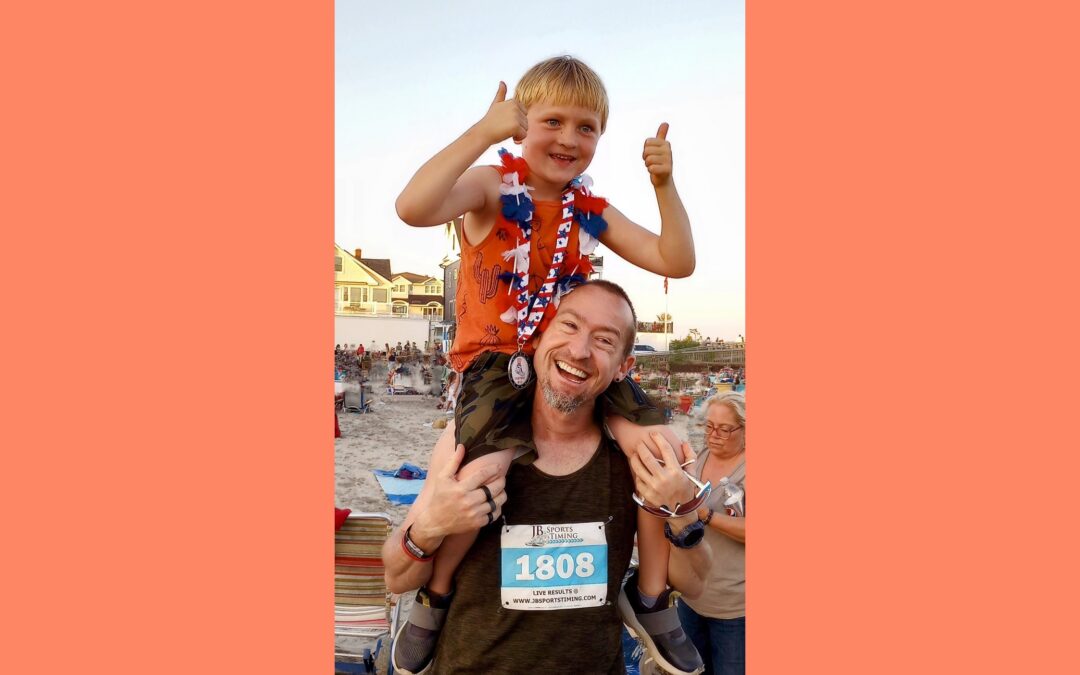
Interview: Brian and His Son Owen Share Many Things Including Type 1 Diabetes
Brian got type 1 diabetes when he was seven. He long feared one of his three children might face the same fate––until one did. His son Owen got T1D just past his eighth birthday. Brian is a clinical exercise physiologist and diabetes educator by training, cares for his three children, lives with type 1 and Owen’s type 1, and has helped start a branch of a grass roots diabetes meet up in his hometown of Philadelphia, GrownUp T1Ds. What’s it like with all that on your plate? Brian says he takes it one day at a time, with lots of coffee.
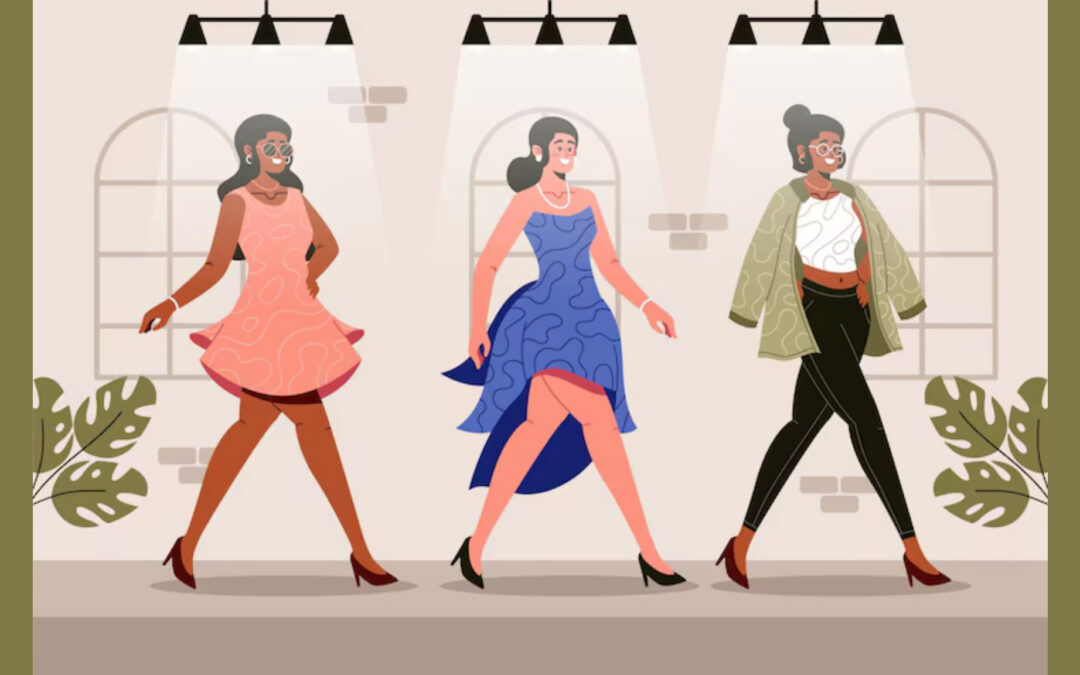
We are TRENDING! Why Fashion Suddenly Loves Older Women
These days, as Ms. Wintour wrote in the magazine, “I feel age is actually an advantage.” Or so it is beginning to seem in fashion. According to data from the fashion search engine Tagwalk, 5 percent of the top 20 brands included at least one curve, or plus-size, model in their runway shows, but 100 percent included an older model.

Webinar: Conquering Fear and Embracing Life with Dr. Mark Heyman
Dr. Mark Heyman, PhD, CDCES, is a diabetes psychologist and Certified Diabetes Care and Education Specialist who has lived with T1D since 1999. He is the founder of the Center for Diabetes & Mental Health (CDMH) in San Diego, specializing in evidence-based mental health support and emotional challenges for people with diabetes. Mark’s practice and programs are focused on helping people with T1D address the emotional burden, burnout, and fear associated with the condition.