

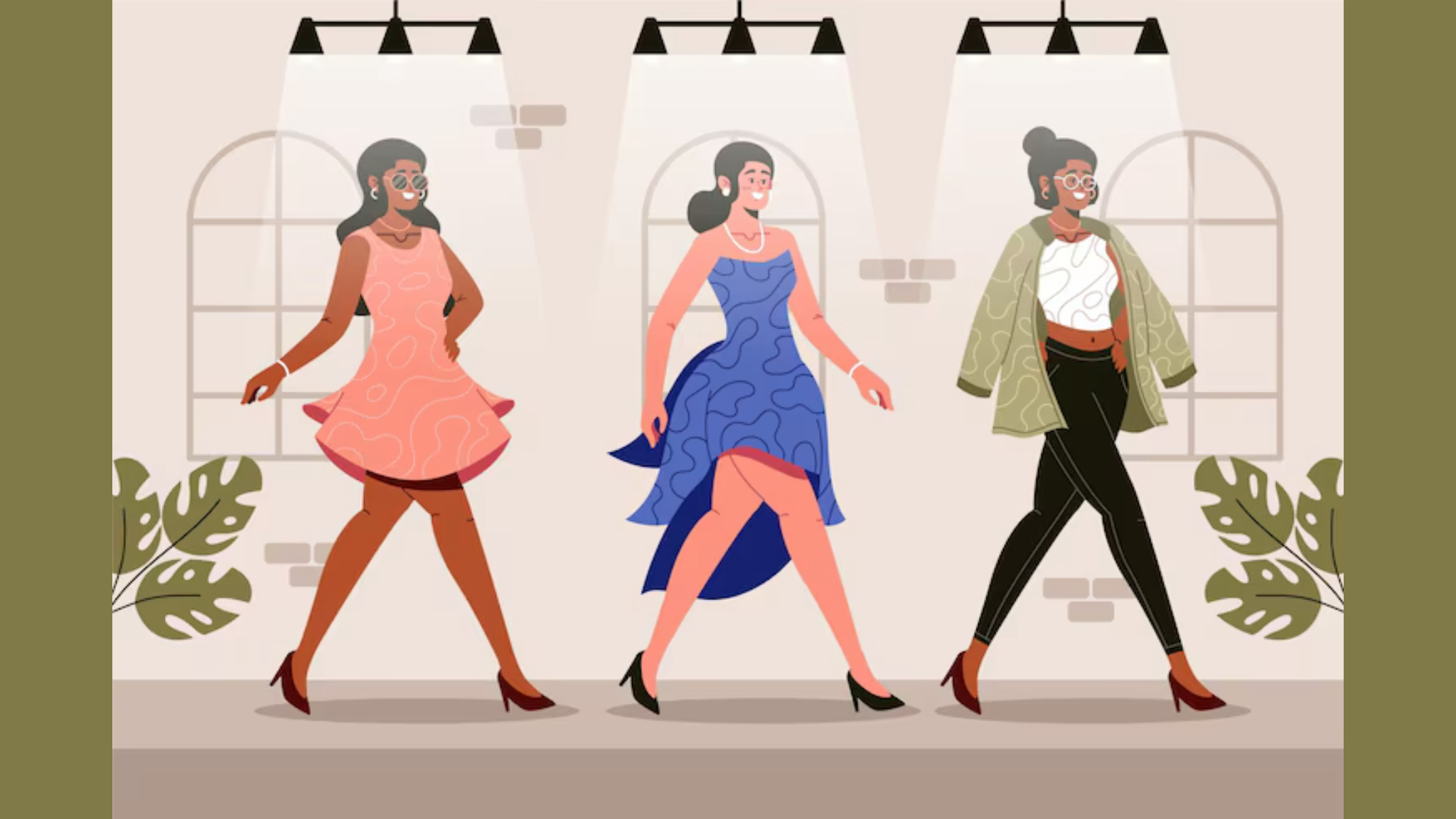
We are TRENDING! Why Fashion Suddenly Loves Older Women
by Vanessa Friedman, posted on NYTimes.com, 19 April 2026 (excerpted by Joanne Milo)
This month, Vogue did something it had never done before, something most people thought it would probably never do: It put two 76-year-old women on its cover.
Sure, they weren’t just any 76-year-olds. They were Meryl Streep and the Vogue overseer Anna Wintour, and they were there in a meta way to discuss the mythology around “The Devil Wears Prada 2,” in which Ms. Streep plays a version of Ms. Wintour. But still, 76.
“Actually groundbreaking,” went one comment on the magazine’s Instagram post.
The irony is that in breaching the age barrier, Vogue actually made itself seem not old but of the moment. These days, as Ms. Wintour wrote in the magazine, “I feel age is actually an advantage.” Or so it is beginning to seem in fashion.
According to data from the fashion search engine Tagwalk, 5 percent of the top 20 brands included at least one curve, or plus-size, model in their runway shows, but 100 percent included an older model.
“There’s a practical reality agencies and the industry have to face: that older women have the purchasing power to buy the stuff being presented, and they have a desire to see themselves and their lived experiences in these spaces,” said Romae Gordon, a 52-year-old former model who returned to the catwalk a year ago.
Indeed, according to the Federal Reserve, more than 70 percent of all the wealth in the United States is concentrated in the over-55 age group, which is also responsible for more than 45 percent of consumer spending.
WE, at T1Dto100, are on target with trends!!! Who knew?!?!?!?
Link to article: https://www.nytimes.com/2026/04/19/style/age-women-fashion.html (May require a subscription.)
Recent Stories & News

Choosing Your 2027 Medicare Plan: An Open Enrollment Guide for People with Type 1 Diabetes
We have created this guide on how to choose your 2027 medicare plan including important dates, commons mistakes, and a checklist of things to do. There are also special insights on what you need to keep in mind, programs that could be helpful, and changes from the previous year. Read the full article for everything you need to know!
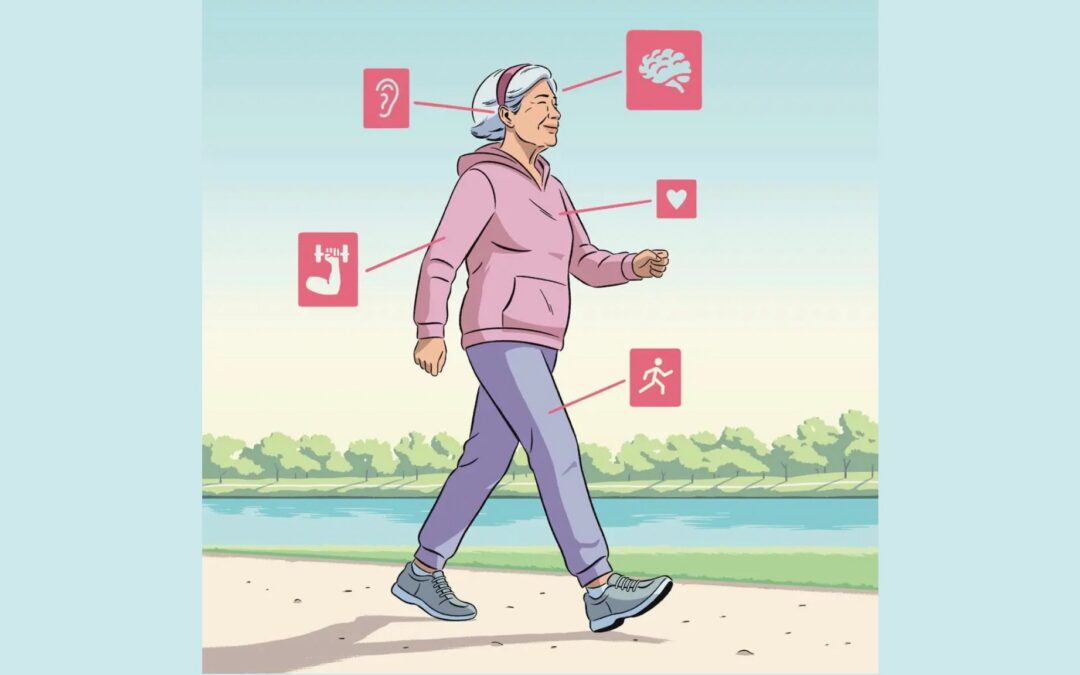
Intrinsic Capacity: The Most Important Longevity Term You’ve Probably Never Heard Of
Intrinsic Capacity is a new term experts are hoping to use to determine a person’s overall health in an effort to implement interventions for a longer, healthier, and happier life. Intrinsic Capacity is measured in five different key areas including cognition, locomotion, sensory capacity, psychological well-being, and vitality. Several studies are being implemented across the US to learn more on how to improve the accuracy of this metric and use it, eventually, for all ages.

LADA: Why So Many Adults Are Misdiagnosed With Type 2 Diabetes
A YouTube discussion from Taking Care of Your Diabetes (TCOYD) on why 4 in 10 people who are diagnosed with Latent Autoimmune Diabetes in Adults (LADA) are told they have Type 2 Diabetes first and the impact of this misdiagnosis on their health and progress.

Interview – An Endo’s View: From the Other Side of the Examination Table
I conducted the interview below with my own endocrinologist Dr. David Lam. Our first visit lasted 90 minutes. We talked about diabetes only the last half hour. Lam is smart, tech savvy and responsive. As you might have guessed he is also compassionate, prizes partnership, and sees me as a person, not merely a condition. My husband was impressed when Dr. Lam stayed in text-touch with me, switching me from Lantus to Tresiba, over a weekend. I wanted to understand how he sees our challenges aging with type 1 diabetes and the ones he faces every day working within our industrialized health care system. He didn’t hesitate when I asked for this interview, so here’s an endocrinologist’s view from the other side of the examination table.

The New Science of Brain Workouts, Beyond Sudoku and Crosswords
Forget holding hands—new research reveals a surprising twist in how two people can become a dynamic duo against sudden loss of balance. A recent study, published in the Journal of the Royal Society Interface, demonstrates that when two individuals walk side by side, a rigid link between them dramatically accelerates balance recovery after unexpected slips.
0 Comments