

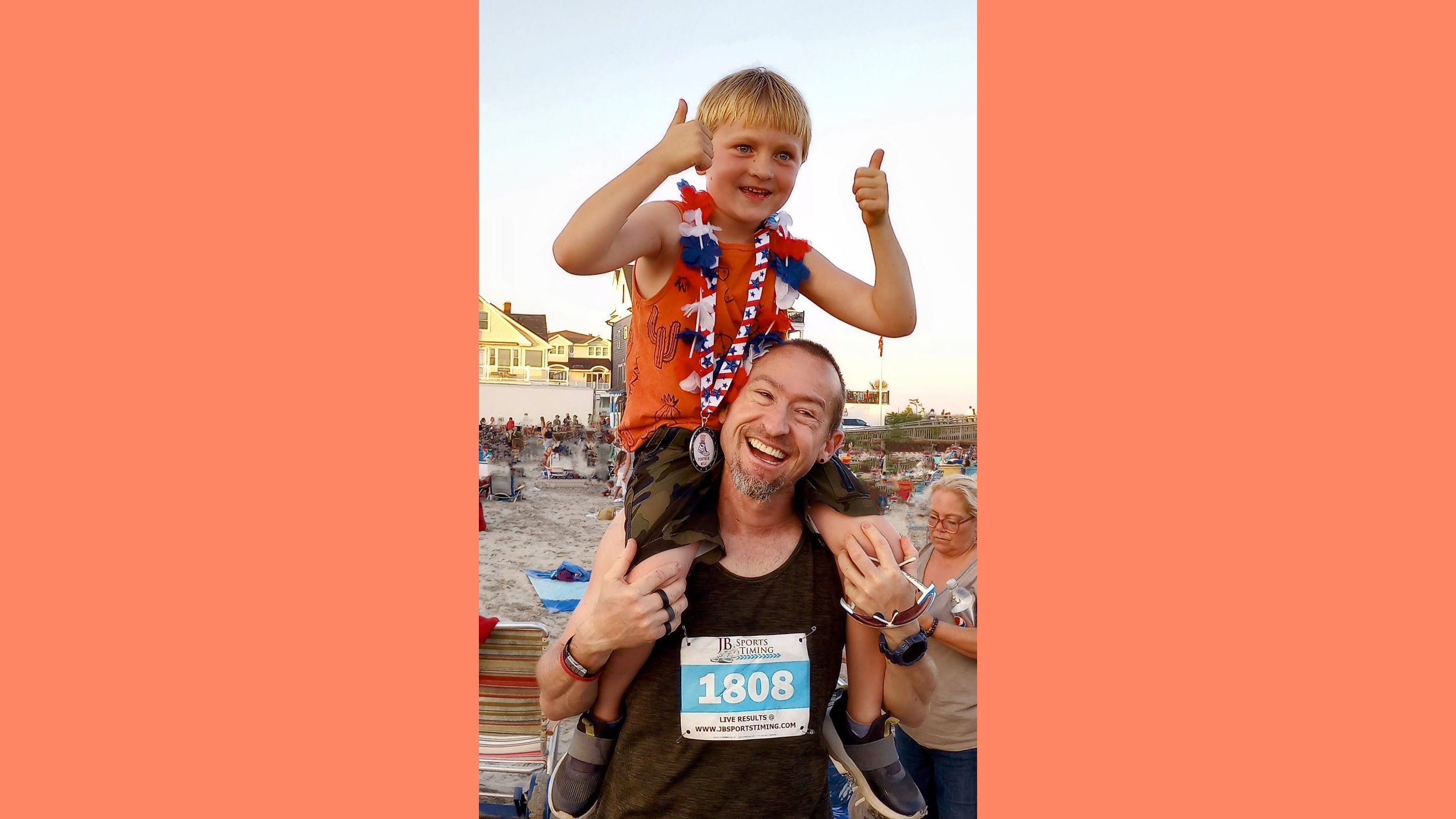
Interview: Brian and His Son Owen Share Many Things Including Type 1 Diabetes
Above is Brian and Owen.
Interviewed for T1D100.com by riva greenberg, posted April 29, 2026.
I was introduced to Brian Foster when he congratulated me online for my LinkedIn work anniversary. His message made me curious about him. I discovered he writes a blog––My Sweet Hat Trick––and took a look around. Brian got type 1 diabetes when he was seven. He long feared one of his three children might face the same fate––until one did. His son Owen got T1D just past his eighth birthday. Brian is a clinical exercise physiologist and diabetes educator by training, cares for his three children, lives with type 1 and Owen’s type 1, and has helped start a branch of a grass roots diabetes meet up in his hometown of Philadelphia, GrownUp T1Ds. What’s it like with all that on your plate? Brian says he takes it one day at a time, with lots of coffee.
Diagnosis Age: 7, Current Age: 52, Years with T1D: 46
riva: How did you discover Owen actually had it and how did you feel?
Brian: Yeah I diagnosed him two weeks after his eighth birthday. Owen’s the youngest of three. Of course it wasn’t easy that it happened, at the same time, he’s very even tempered so I have an innate sense he can handle it. I told him, maybe two or three weeks after his diagnosis, “You know, I would never pick any of you to have this, but you’re the best prepared for it.” I could see his chest puff out a bit, so I said, “Don’t tell your brother and sister I said that.”
riva: Let me guess…
Brian: Only took a day before he told them. All our kids know about diabetes. Their mother, we’re divorced, is a diabetes educator and their godmother is a pump trainer. His brother and sister saw him the day after he was admitted to the hospital so it wasn’t a big, scary thing. Of course he was only eight when he got it, now he’s eleven. But from having watched me, what concerned Owen was having to check his blood sugar. Now with a CGM, he hardly ever has to do that.
Brian with his three children.
riva: What was running through your head when he was diagnosed?
Brian: I stayed with Owen for the first night in the hospital. I was obviously anxious and could barely sleep. I remember pacing the halls in the dark, trying to process everything. Having worked in a hospital for a few years, I’d learned you can gauge how serious a patient’s situation is by the number of beeps (from machines) coming from their room. When I heard the constant beeping from some of the other rooms, I realized just how much worse things could be. It wasn’t a relief in the way you’d hope for someone else’s struggle, but it made me recognize how blessed we were that his mother and I knew how to take care of Owen, and that he was going to be okay.
riva: You wear a pump and CGM, does Owen also wear both?
Brian: Yep. They admitted him to the hospital on a Friday and released him on Monday with his CGM in. Shortly after that we got him on the pump. Someone once asked me if I thought it was better to be diagnosed as a child, without knowing what life was like before diabetes. Or is it better to be diagnosed later, when less years with the disease might mean fewer complications. The reality is, it doesn’t matter. If you’re going to get it, you get it when you do. I used to go to the ‘Friends for Life’ conference Children with Diabetes puts on and you see kids of all ages running around with it. I’m just hoping when Owen’s a teenager he won’t struggle too much like some kids do.
riva: It must be almost surreal seeing Owen growing up with T1D decades after you with all that’s changed and improved.
Brian: I often say to people and parents, sort of in jest but it’s true, “It’s not your grandmother’s disease.” What we’re discovering about the condition and the tools we have today just keep dramatically changing. I want the public, and our doctors, to look at diabetes with fresh eyes.
I’m grateful wearing a CGM means Owen doesn’t have to poke his fingers like I did. And I was amazed how fast he was wearing a pump. I didn’t even have one in college when I was running triathlons. Also Owen had access to a psychologist, social worker, family therapist, in addition to a nurse. I remember my family and I did do some family counseling after my diagnosis but I had no idea it was for me. I figured it was because my parents weren’t getting along very well!
Screening for Diabetes
riva: Since you and your ex-wife are both diabetes educators, did you have your two other children screened?
Brian: No we didn’t. That has been a source of stress between me and my ex-wife. I’m interested in getting the kids screened; she’s not. She’s concerned about the stress that the process of screening might place on our other kids. It could cause them to think about “if and when” it might happen to them. I get it, it’s a valid point. That’s why I haven’t pushed the issue.
If there are new developments though in screening, I’d like to revisit the issue. Making decisions around your kids and diabetes as a divorced couple can be hard, but I know we both want what’s best for our kids.
riva: Tell me what you see as the value of kids being screened?
Brian: For one, you can tell if you’re a carrier. There are four autoantibodies being tested in the screening, these look for diabetes-related autoantibodies. The presence of these can paint a picture of whether you’re likely to have it or not, or whether you’re guaranteed to have it. If the markers indicate you might get it, there’s already a drug on the market (TZield) that’s been shown to successfully delay type 1 diabetes for up to two years. There’s a lot of work in this area being done in the hopes that we can delay diabetes from happening.
riva: I often talk about having historical gratitude since I can look back to how primitive managing diabetes was 54 years ago when I got it. No glucose meter for ten years and then when I had one it was big as a brick and took two minutes to countdown and display your number. It needed a significant amount of blood, which of course went lots of places besides on the test strip. Now that you’re raising a child with T1D four decades after you got it, what are you excited to see in the area of tech and improvements to help us manage diabetes?
Brian: I think most people would agree CGMs are the most life-changing technology that’s come along. New CGM apps will even include AI to recommend carb counts simply by taking a picture of your food. Would you use that?
riva: If something comes in a box or a bag, I do check its carb count. But most of what I eat doesn’t, so I just eyeball it. It’s an educated guess based on decades of doing this. I’m admittedly low tech and while I do use a CGM I shudder to tell you that I don’t use a pump.
Brian: That’s okay, I think everyone has to find what works for them. Which reminds me of this funny story I often tell. Some years ago I was part of a group of Type 1 athletes that were running in a relay event.
riva: Okay, what’s a relay event?
Brian: It’s very similar to the relay events you see in track and field, each person runs a certain portion, and then hands it off to another person. But in this case, it’s 200 miles, and the lone runner is followed by a van with the rest of the team inside, who switches off as needed. So after finishing the race, three of us were getting ready to go eat. As I was getting dressed, my towel got hooked on my pump tubing, and it pulled my site out. The other two guys, who were not wearing tubed pumps laughed. Then wouldn’t you know it, the guy wearing the Omnipod got it hooked on his shirt and pulled the pod right off. Then, as if Murphy himself was watching, we got about a quarter mile into our walk to Wendy’s before the guy on shots realized he forgot his insulin pen in the van.
riva: That’s hysterical, like you couldn’t make that up!
Brian: I tell that story to illustrate to people, do what works for you. Nothing is perfect, at any moment something might fail, but use what you feel comfortable with.
riva: So now that you’ve opened the van door, so to speak, as an exercise physiologist I’m sure you’re going to tell me we should all be running 200 miles.
Brian: No I will not, but I will say exercise is as important to one’s health as breathing.
riva: Well, that stops me right there.
The Often Missed Value of Exercise
Brian: A lot of people have heard that insulin acts like a key that unlocks the body’s cells to let glucose in. That’s true. When you’re active, your insulin sensitivity increases, which means your body’s ability to move glucose into your cells gets easier.
But what many people don’t realize is that when you exercise, the cells in your muscles can take up glucose without needing extra insulin. It’s essentially a second pathway to help lower your blood glucose.
So going back to insulin sensitivity, since it increases during exercise the reverse is also true. If we’re not active, the body becomes more resistant to insulin, and it’s harder to get glucose into your cells. That’s why regular movement matters so much. I even notice it myself. If I’m in the car for a long time, my blood sugar starts to creep up.
riva: I usually say I’m insulin sensitive, but what’s true is almost every day I walk forty five to sixty minutes. I’ve been doing that since I was in my twenties and the subways went on strike and the only way for me to get to work was to walk. So when I get sick, and I’m in the house for days not moving, my blood sugar goes up and I think, “why is this happening?” I literally forget that it’s not that I’m normally insulin-sensitive, it’s that my normal is walking every day and that makes me insulin sensitive.
Brian: Obviously the fact that you’ve been walking for forty years means you like it or you couldn’t have stuck to it. And that’s important but I want to correct a myth a lot of people have about exercise. Most people get caught up with the idea that exercise should always be a “life-affirming” experience every single day. It’s not. It definitely isn’t for me. Right now I’m balancing managing my diabetes and looking for work, with watching over my kids and all that they need. There are definitely times I have to push myself to exercise just because I know how important it is for my health.
riva: You mentioned you’re no longer working as a diabetes educator. Did you stop for a reason?
Brian: It’s a shame, but it’s how the system works. Being a clinical exercise physiologist is not one of the medical backgrounds with which you can bill individually as a diabetes educator. You have to be a doctor, nurse, pharmacist, or social worker. I also am not allowed to offer online education. So it was just financially unsustainable. But I’d love to find another way to continue to work in diabetes.
In the past I worked for the American Diabetes Association as an exercise physiologist. I also taught a program at a local university about how clinical exercise is specifically of value to individuals with diabetes, cardiovascular disease, respiratory issues, and musculoskeletal injuries. Combining teaching, exercise, and diabetes was great. I’m just not sure what comes next at this point.
riva: How do you think about aging with diabetes?
Brian: I think companies are going to have to think differently. You know, developing a pump for people in their seventies or eighties, they’re gonna have to think about a whole new range of dexterity and vision issues that they didn’t have to deal with when they were mostly thinking of kids.
I also think we have to stay engaged with new research and technology and socially with each other. So I got involved in a group called GrownUp T1Ds. It was started by one woman working from home, Kelly Dawes. She started it in California where she lives and it’s quite large and active. People were asking her how they could join where they live and she’d say, you have to start it.
So now there’s a group in Boston and ours in Philadelphia. And it’s just about us Type 1s being together. It was a conscious decision not to have speakers or drug reps come in and give us a talk. We don’t want to do education, we want to keep this social.
riva: So if people reading this may want to start a group in their town are there some guidelines to follow?
Brian: Yes, if someone would like to start a group, a chapter, I think the best thing to do is reach out to the group’s founder Kelly Dawes. You can contact her directly through the Grown Up T1D website at www.grownupt1ds.org.
This is a small organization and Kelly relies on chapter members to take initiative and do a lot of the work themselves. But it’s incredibly rewarding and I’d encourage anyone interested to do it.
riva: I think it’s tremendously important to have other people you know with diabetes, people you can talk to who “get it.” Which brings up the question, what do you do when you have a bad day with diabetes?
Brian: I think you have to own it. We’ve all got a lot of stress, and diabetes can cause a lot of stress, and you’ve just got to say okay this is how it is right now. Trust me, I have a lot of experience doing this right now. So acknowledge how things are, they’re not great, it’s not how I want it to be, but it is how it is. Then, and maybe you were waiting for this, I often do try and exercise my way out of it. It helps more often than it doesn’t. We also have to be kind to ourselves, and that’s hard for a lot of people.
I also find writing helpful. Like I’m doing now with my blog. I love using humor to teach and also highlight the frustrations of diabetes. Right now I’m working on a story where Owen and I were headed to my mom, we’d changed both our sites before we left and both failed. I was wearing a new Omnipod, which can be a little loose on the first day. We crossed paths in the hallway, I caught the pod on the door handle and it just ripped off. Then within two minutes, Owen came to me with an occlusion, and we had just changed his site! I hope it makes people laugh, and I often tell this story as a lesson––when you go anywhere, bring extra supplies!
riva: I like to end by asking, tell me one positive thing diabetes has given you.
Brian: I don’t know if purpose is the right word, especially as I’m not really where I want to be right now, but I do find purpose writing my blog, speaking to others, and in the advocacy work I’ve done in DC to influence diabetes policy, including the costs of diabetes. And now with our GrownUp T1Ds group. Helping other people deal with this disease, I feel I’m doing something good for the diabetes community.
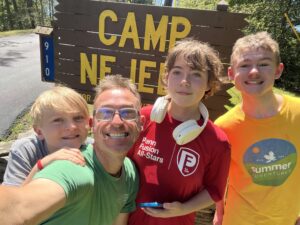
Brian with his three children at camp.
Final note: Brian had mentioned a story on his blog I should read and now I’m going to tell you, especially if you are a parent of a child with diabetes, it’s a must read: Where the #%$& is his pump?!
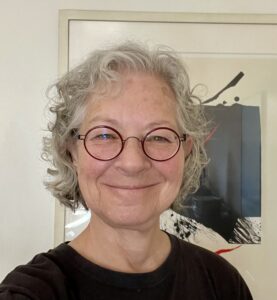
riva greenberg is the author of three books, hundreds of articles and the long-running blog, Diabetes Stories. She’s globally recognized for her Flourishing Approach, was an ‘A1C Champion’ peer-mentor, and has lived successfully with type 1 diabetes for 54 years.
Recent Stories & News

Choosing Your 2027 Medicare Plan: An Open Enrollment Guide for People with Type 1 Diabetes
We have created this guide on how to choose your 2027 medicare plan including important dates, commons mistakes, and a checklist of things to do. There are also special insights on what you need to keep in mind, programs that could be helpful, and changes from the previous year. Read the full article for everything you need to know!
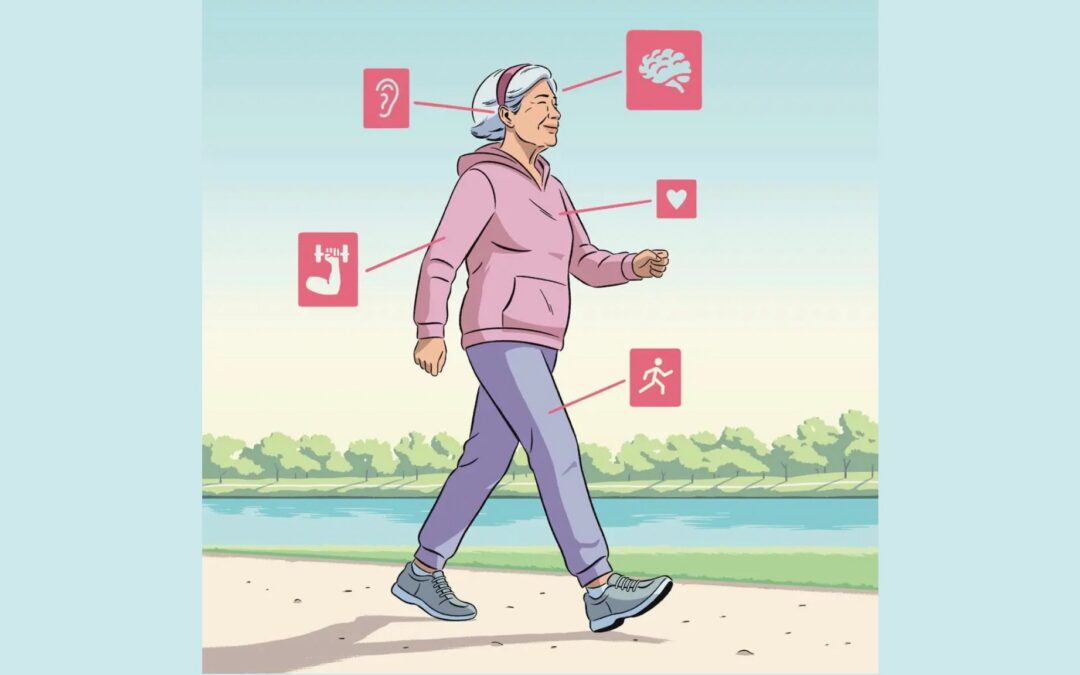
Intrinsic Capacity: The Most Important Longevity Term You’ve Probably Never Heard Of
Intrinsic Capacity is a new term experts are hoping to use to determine a person’s overall health in an effort to implement interventions for a longer, healthier, and happier life. Intrinsic Capacity is measured in five different key areas including cognition, locomotion, sensory capacity, psychological well-being, and vitality. Several studies are being implemented across the US to learn more on how to improve the accuracy of this metric and use it, eventually, for all ages.
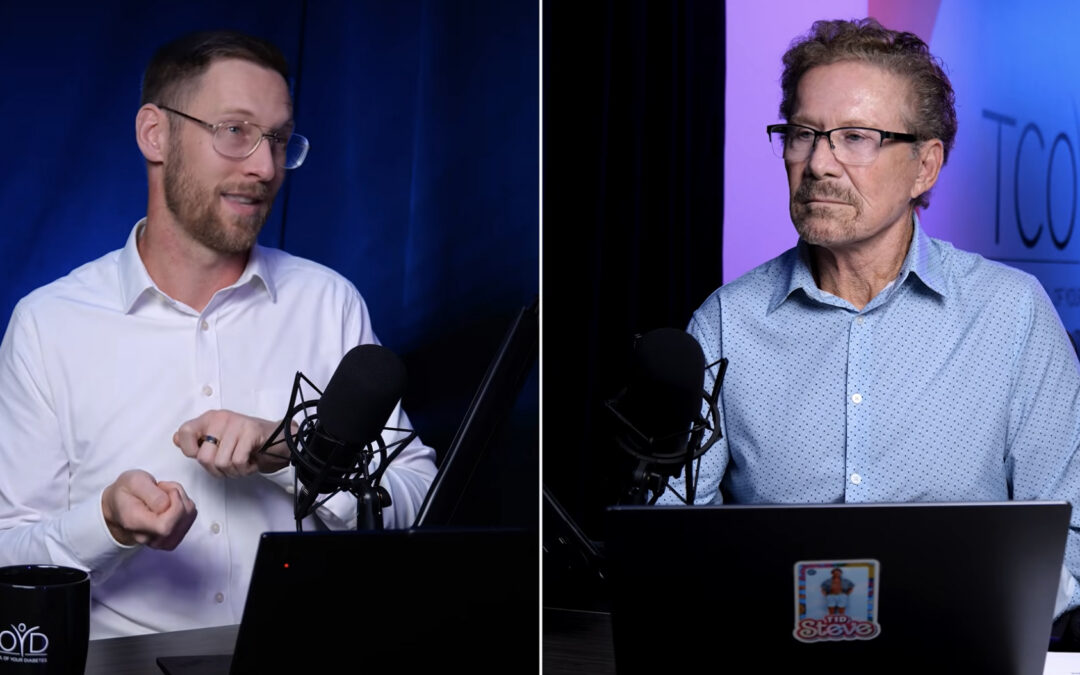
LADA: Why So Many Adults Are Misdiagnosed With Type 2 Diabetes
A YouTube discussion from Taking Care of Your Diabetes (TCOYD) on why 4 in 10 people who are diagnosed with Latent Autoimmune Diabetes in Adults (LADA) are told they have Type 2 Diabetes first and the impact of this misdiagnosis on their health and progress.
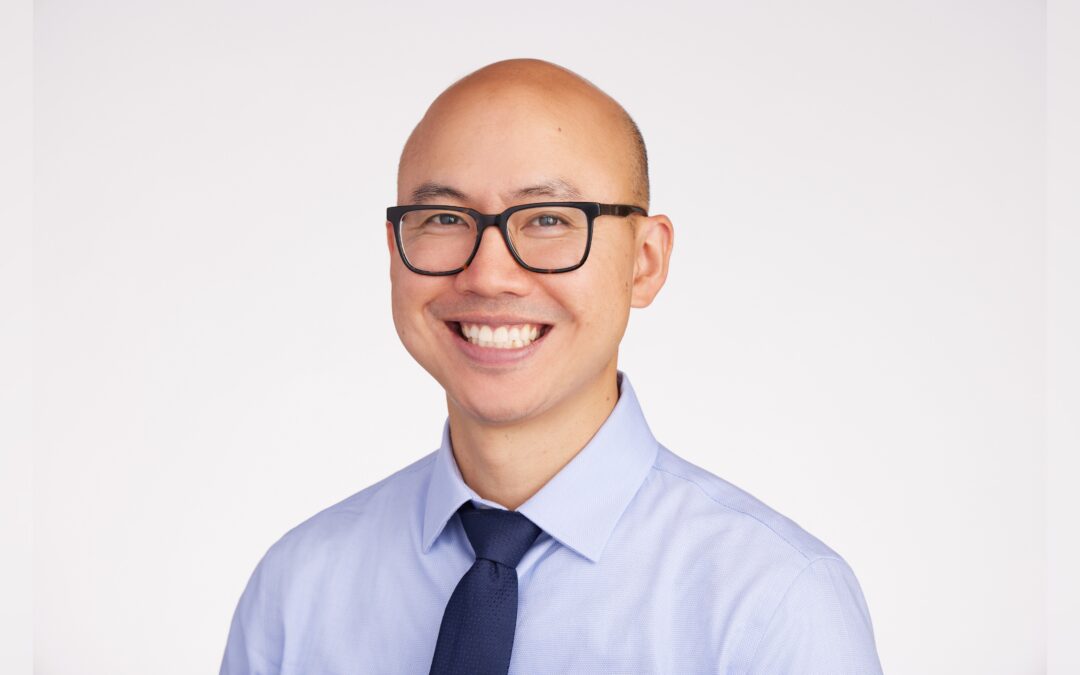
Interview – An Endo’s View: From the Other Side of the Examination Table
I conducted the interview below with my own endocrinologist Dr. David Lam. Our first visit lasted 90 minutes. We talked about diabetes only the last half hour. Lam is smart, tech savvy and responsive. As you might have guessed he is also compassionate, prizes partnership, and sees me as a person, not merely a condition. My husband was impressed when Dr. Lam stayed in text-touch with me, switching me from Lantus to Tresiba, over a weekend. I wanted to understand how he sees our challenges aging with type 1 diabetes and the ones he faces every day working within our industrialized health care system. He didn’t hesitate when I asked for this interview, so here’s an endocrinologist’s view from the other side of the examination table.

The New Science of Brain Workouts, Beyond Sudoku and Crosswords
Forget holding hands—new research reveals a surprising twist in how two people can become a dynamic duo against sudden loss of balance. A recent study, published in the Journal of the Royal Society Interface, demonstrates that when two individuals walk side by side, a rigid link between them dramatically accelerates balance recovery after unexpected slips.
0 Comments