

Skin in the Game
How to Care for Your Skin When You Wear Diabetes Devices
The advice in this document is culled from the successful day-to-day practical experience of PWDs who actively live with the disease and the devices. Many of these suggestions are also validated by medical research and are marked with an asterisk (*) to point you to a supporting research article.
Disclaimer
T1Dto100 is a community-developed platform offering information, tools, and shared experiences to support those managing aging with Type 1 Diabetes (T1D). Content is for informational and shared purposes only and is not a substitute for professional medical advice. Always consult a healthcare provider for personalized guidance. T1Dto100 does not guarantee the accuracy or applicability of the information provided. Decisions based on our content are at your own risk. For urgent medical concerns, contact a healthcare provider or emergency services.
Introduction
Proper skincare is vital to managing Type 1 Diabetes (T1D). Many people with Diabetes (PWDs) depend on continuous glucose monitors (CGMs) and insulin pumps that attach to their skin. Proper skincare helps these technologies work well and helps better preserve the health of your skin for the long-haul. This document addresses six areas of importance for skincare for people wearing these devices.
- Skin cleansing before attaching a device
- Skin protection barriers
- Overpatches
- Adhesive removers
- Skin treatments
- Site rotation
The advice in this document is culled from the successful day-to-day practical experience of PWDs who actively live with the disease and the devices. Many of these suggestions are also validated by medical research. Those that are supported by research are marked with an asterisk (*) to point you to a supporting research article, which is cited at the end of this document.
Please Note: This document does not provide medical advice. Different approaches work for different PWDs. You should consult with your healthcare provider before trying any of these options. Be sure to discuss with your healthcare provider any history you may have of skin sensitivities.*
- Skin Cleansing Before Attaching a Device
PWDs use different approaches to preparing skin for devices. Some prefer using soap and water, which is the mildest approach. Some PWDs use Isopropyl Alcohol (IPA) alone or after using soap and water. Others find IPA dries and irritates their skin, so they prefer soap and water. Either way, you must allow the skin to completely dry before applying devices.* Some PWDs do nothing (which we do not recommend!).
- Skin Barriers
After the skin is cleansed, a skin barrier can be applied to protect the skin where the device will be attached. Numerous liquids, sprays, and films are available that can form a very thin isolating layer to eliminate adhesive sensitivity reactions, enhance adhesion, and improve operating effectiveness of devices. Often, a combination of products can be used to protect the skin.* Providers and prices of these many options may be compared through online searches.
Liquids and Sprays
Liquids are offered as individual wipes or vials with an applicator cap. The liquid form is generally far less expensive. Some of the suggested options, even though they are “off-label” from the common use of the product have been found to be very effective.* Some of the liquids and sprays used by PWDs include:
- Flonase*
- Benadryl*
- 3M Cavalon Barrier Creams and Sprays*
- Bard Medical SurePrep Protective Barrier Film*
- Ferndaile Mastisol Liquid Adhesive
- Torbot SkinTac Wipes*
- Hollister Adapt Medical Adhesive Spray
- Smith & Nephew No-Sting Skin-Prep*
- Spirit Gum (used by actors beneath make-up)
Films
Some PWDs use transparent adhesive film dressings under their devices. CGM sensors or cannulas injected through films can ruin the sensor or cannula tip, making it fail. To avoid this, PWDs punch or cut a hole through the film before applying it and insert the sensor or cannula through the hole. Other PWDs find films do not cause any issues and do not create holes for sensors or cannulas.*
Popular films include:
- 3M Tegaderm
- Smith & Nephew Opsite and Opsite Flexifix*
- Smith & Nephew IV 3000*
- CVS Hydrocolloid Gel Adhesive Pads
For skin that is prone to heavy perspiration, an unscented antiperspirant can be applied to the skin before placing your device. Apply a thin layer, wait 10-15 minutes, wipe off the excess, and prepare the site as described above.*
- Overpatches
Many different overpatches are available to help further secure devices to skin after they are attached. Overpatches are sometimes supplied for free from pump and CGM manufacturers. Others available for purchase are colorful and fun, specially shaped, and ready to use, which makes them especially popular with children; but if they are not free, overpatches can be very expensive. Some PWDs save money by making their own overpatches using a scrapbooking punch that matches their sensor and/or infusion set shape. They first identify which patch material sticks best and causes the least irritation.
Before applying an overpatch, firm pressure should be applied in a circular pattern around the original device adhesive. Similar pressure should then be applied to the overpatch. Some PWDs find they need at minimum five to ten rotations. Many PWDs apply an overpatch immediately after attaching the device. Others wait until the adhesive edges begin to curl up after several days.
Be careful not to reinforce the placement of your device using tapes with overly strong adhesives as this can lead to skin injury during removal.*
Overpatches used by PWDs include:
- Ek Punches
- Smith Nephew IV3000* (Frame Delivery is a favorite)
- Skin Grip
- GrifGrips*
- SIMPATCH
- Pump Peelz
- RockaDex*
- Smith & Nephew Opsite Tape
- BSN Fixomull
- Hypafix
- Stick2Hope
- StayPut Medical
- ExpressionMed
- Glucology
- Type One Style
- ExpressionMed
- Nexcare Flexible Clear Tape (used to place on top of overpatches that are loosening)
- Adhesive Removers
PWD’s have found several ways to remove adhesive gently to minimize irritation. Always remove your devices slowly and gently to minimize damage to your skin.*
Removing devices after showering can ease the removal process; but be sure that your skin is thoroughly dry before attempting to apply your next device.*
Some PWDs use baby oil and other oils, soaking the adhesive for five minutes with the oil before removal, and then pushing the oil under the adhesive as it is lifted off.
Others soak the adhesive area with one of the removers listed below for about five minutes. Note: some have nasty odors.
- Smith Nephew Uni-Solve*
- Torbot TacAway*
- Ferndale Pharma Detachol*
- Skin Grip Adhesive Remover
- Hollister Adapt Adhesive Remover
- Goo Gone Adhesive Remover
- Skin Treatments
Always keep an eye on the health of your skin when you remove devices, watching for signs of irritation or infection.* PWDs use a variety of skincare products to soothe irritated skin after removing devices, including:
- Baby oil*
- Olive oil*
- Coconut Oil*
- Castor Oil
- Jojoba oil
- Tattoo Goo (Warning: this product contains both wheatgerm oil and beeswax. PWDs with gluten intolerances and/or bee allergies should consult their healthcare professional before using.)
- Hemp/CBD Oil/Cream (should be from a licensed vendor and legal in the relevant state)
- Rose Water
- Polysporin/Bacitracin*
- Hydrocortisone*
- Lactic Acid**
Please Note: These treatment products must be removed/cleaned from skin before attaching devices again in the same location.
- Site Rotation
PWDs should develop a system for rotating sites for CGMs, pumps, and infusion sites so each site has time to recover.* Some PWDs draw a map of their body and number the locations used and then rotate through the numbers sequentially. To expand their site options, some PWDs use unusual spots (sometimes not the sites primarily recommended by device manufacturers). Unusual spots that can work well should have fat, and can include the forearm*, chest, breast, and calves. You should avoid areas that have developed lumps, scars, etc.
📚 Additional Resources
The following articles show site maps and make suggestions around site rotation that might be helpful:
- Insulin injections: Selecting the injection site
- Insulin Pumps l Infusion Set Site Rotation l danatech
- Proper Site Rotation: Pumps, Injectables & CGMs
* This suggestion is also supported by the research article “Preserving Skin Integrity with Chronic Device Use in Diabetes,” Diabetes Technology & Therapeutics, Volume 20, Supplement 2, 2018. ©Mary Ann Liebert, Inc., DOI: 10. 1089/dia2018.0080
** WebMD has published an extensive research document on the benefits of Lactic Acid for skin.
Last updated 08/18/2025.
Recent Stories

Choosing Your 2027 Medicare Plan: An Open Enrollment Guide for People with Type 1 Diabetes
We have created this guide on how to choose your 2027 medicare plan including important dates, commons mistakes, and a checklist of things to do. There are also special insights on what you need to keep in mind, programs that could be helpful, and changes from the previous year. Read the full article for everything you need to know!
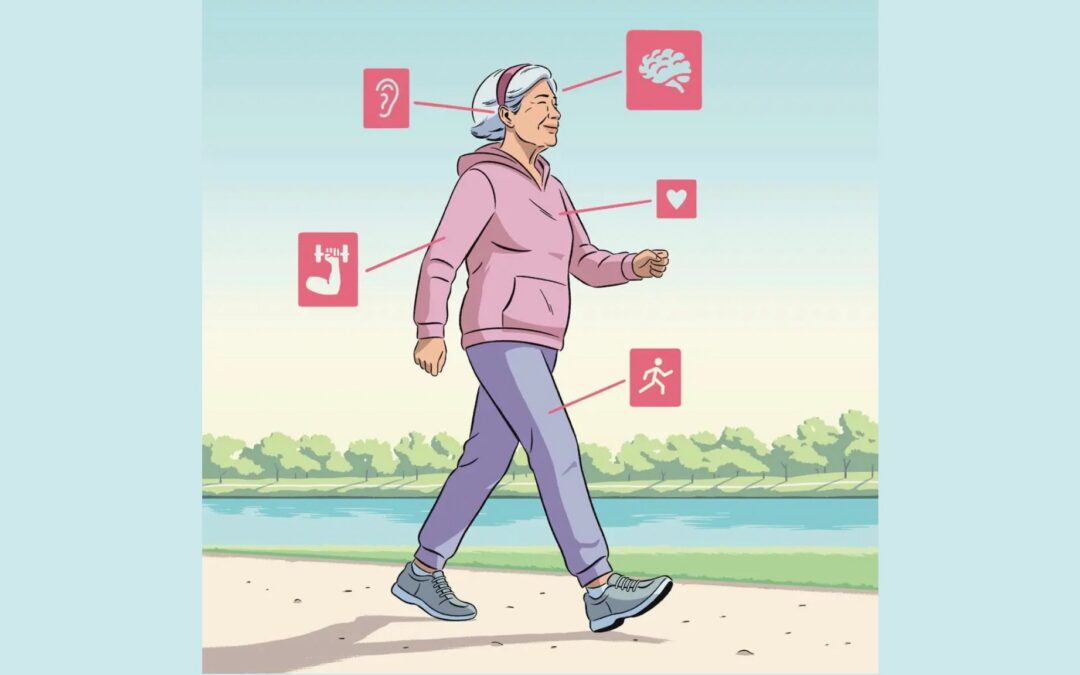
Intrinsic Capacity: The Most Important Longevity Term You’ve Probably Never Heard Of
Intrinsic Capacity is a new term experts are hoping to use to determine a person’s overall health in an effort to implement interventions for a longer, healthier, and happier life. Intrinsic Capacity is measured in five different key areas including cognition, locomotion, sensory capacity, psychological well-being, and vitality. Several studies are being implemented across the US to learn more on how to improve the accuracy of this metric and use it, eventually, for all ages.
LADA: Why So Many Adults Are Misdiagnosed With Type 2 Diabetes
A YouTube discussion from Taking Care of Your Diabetes (TCOYD) on why 4 in 10 people who are diagnosed with Latent Autoimmune Diabetes in Adults (LADA) are told they have Type 2 Diabetes first and the impact of this misdiagnosis on their health and progress.