

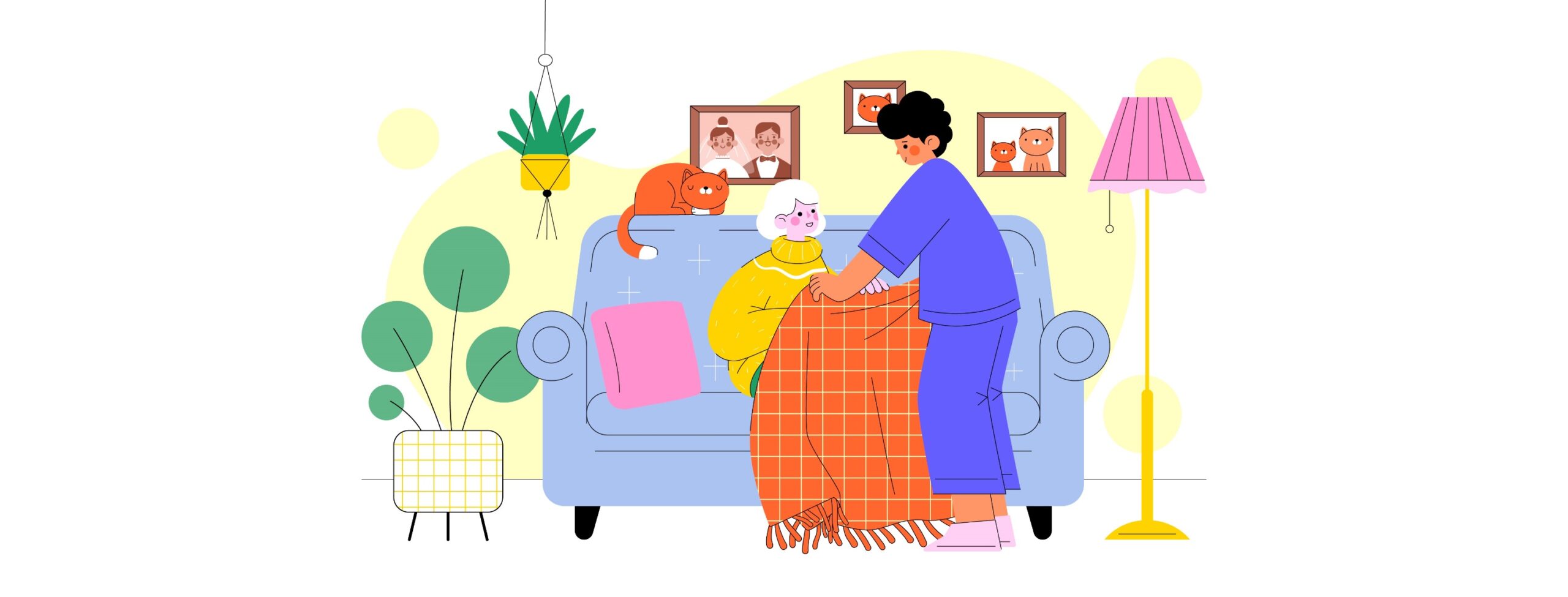
These Boomers Tried Caring for Parents. Now They’re Tidying Up to Spare Their Kids.
Excerpted from The Washington Post
21 December 2025
Baby boomers and Gen Xers are decluttering their houses, sifting through paperwork and making other end-of-life plans in growing numbers, older adults, and elder law attorneys and financial planners say. Surveys from the National Alliance for Caregiving and advocacy group AARP show 47 percent of family caregivers — mostly caring for aging parents or adults with disabilities — said they had such arrangements this year, up from 42 percent a decade ago. About half the caregivers report financial hardships, including lost income due to depleted savings, because of those responsibilities.
“We’re seeing a huge spike in elder care planning,” largely driven by adult children, said Gabriel Shahin, chief executive of Falcon Wealth Planning. “Ten years ago, these conversations only happened after a crisis, now they’re happening proactively.”
More people are expected to shoulder caregiving duties as baby boomers — those born between 1946 and 1964 — age and lifespans increase. The number of Americans 65 and older is projected to increase more than 30 percent by 2050 — with these older adults making up 1 in 4 Americans by then, compared with about 1 in 10 in the 1980s.
The demographic changes are compounded by shortages of professional caregivers, typically aides or nurses who provide household or medical help that might otherwise fall to family members. Already, the number of family caregivers has increased 45 percent since 2014, according to surveys conducted by the caregiving alliance and AARP. About one-third of family caregivers have been providing that care for five years or more, one of those surveys shows.
Then there’s cost: The median out-of-pocket cost for a private nursing home room was $10,650 a month in 2024, while an assisted-living facility cost $5,900, according to insurer Genworth.
“Not only is caregiving becoming more prevalent [and] more stressful, it’s also lasting longer,” said Jason Resendez, president of the National Alliance for Caregiving. “This is not a looming crisis. This is something that people are living through right now every day.”
Here’s the link to read the full article in WashingtonPost.com (may require a subscription to access): https://www.washingtonpost.com/health/2025/12/21/elder-care-aging-plan-seniors/
Recent Stories & News
Choosing Your 2027 Medicare Plan: An Open Enrollment Guide for People with Type 1 Diabetes
We have created this guide on how to choose your 2027 medicare plan including important dates, commons mistakes, and a checklist of things to do. There are also special insights on what you need to keep in mind, programs that could be helpful, and changes from the previous year. Read the full article for everything you need to know!
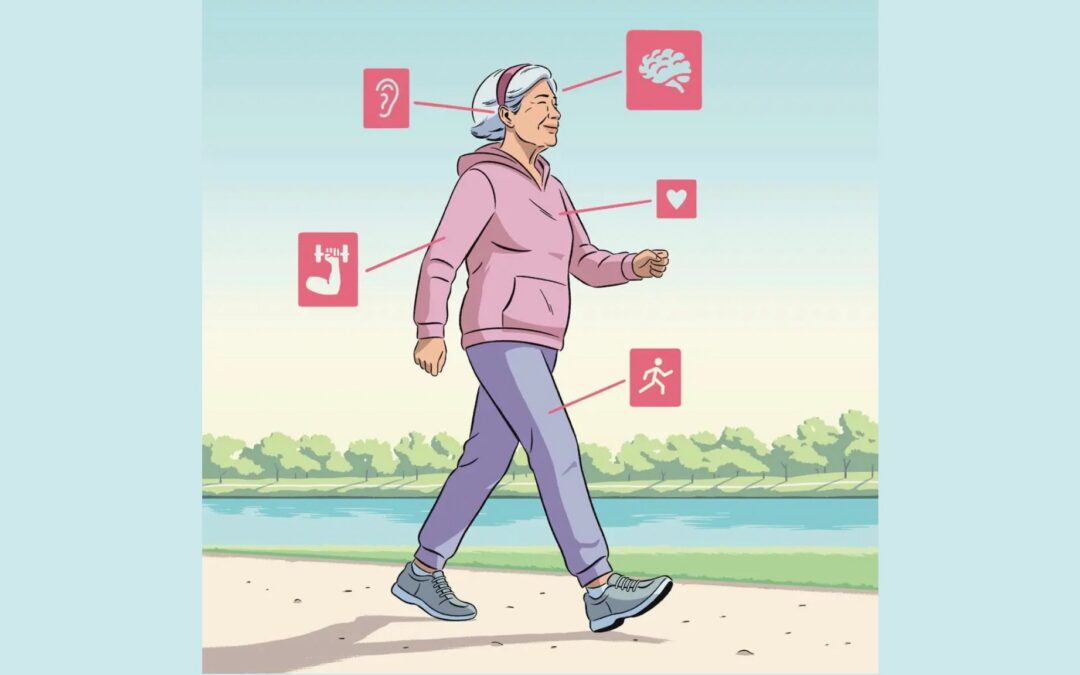
Intrinsic Capacity: The Most Important Longevity Term You’ve Probably Never Heard Of
Intrinsic Capacity is a new term experts are hoping to use to determine a person’s overall health in an effort to implement interventions for a longer, healthier, and happier life. Intrinsic Capacity is measured in five different key areas including cognition, locomotion, sensory capacity, psychological well-being, and vitality. Several studies are being implemented across the US to learn more on how to improve the accuracy of this metric and use it, eventually, for all ages.

LADA: Why So Many Adults Are Misdiagnosed With Type 2 Diabetes
A YouTube discussion from Taking Care of Your Diabetes (TCOYD) on why 4 in 10 people who are diagnosed with Latent Autoimmune Diabetes in Adults (LADA) are told they have Type 2 Diabetes first and the impact of this misdiagnosis on their health and progress.
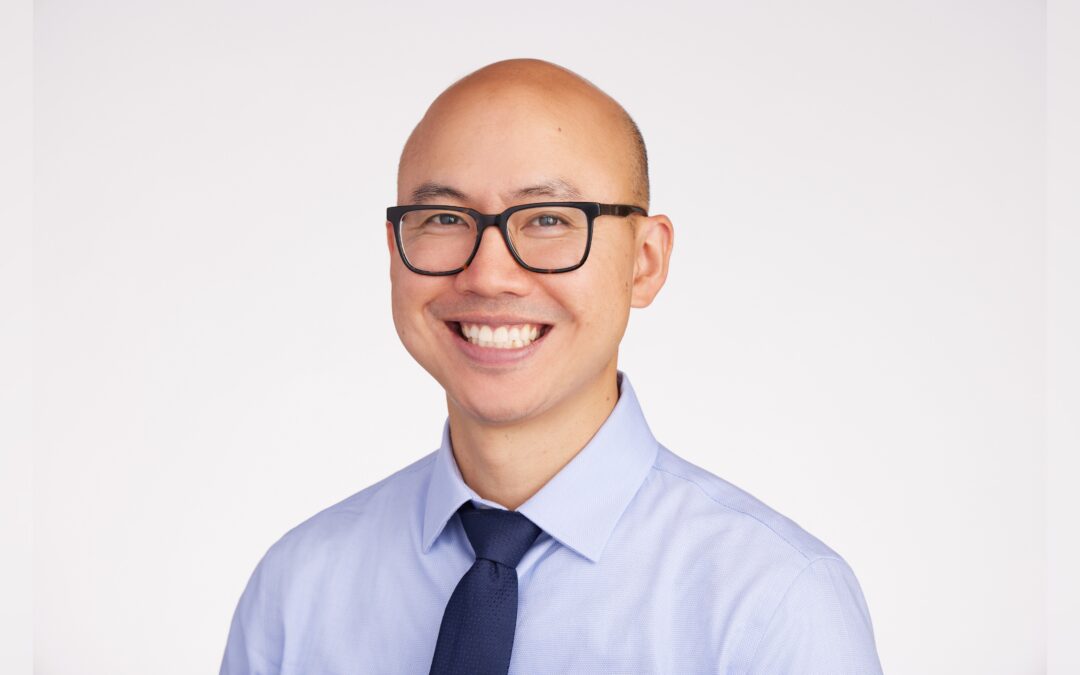
Interview – An Endo’s View: From the Other Side of the Examination Table
I conducted the interview below with my own endocrinologist Dr. David Lam. Our first visit lasted 90 minutes. We talked about diabetes only the last half hour. Lam is smart, tech savvy and responsive. As you might have guessed he is also compassionate, prizes partnership, and sees me as a person, not merely a condition. My husband was impressed when Dr. Lam stayed in text-touch with me, switching me from Lantus to Tresiba, over a weekend. I wanted to understand how he sees our challenges aging with type 1 diabetes and the ones he faces every day working within our industrialized health care system. He didn’t hesitate when I asked for this interview, so here’s an endocrinologist’s view from the other side of the examination table.

The New Science of Brain Workouts, Beyond Sudoku and Crosswords
Forget holding hands—new research reveals a surprising twist in how two people can become a dynamic duo against sudden loss of balance. A recent study, published in the Journal of the Royal Society Interface, demonstrates that when two individuals walk side by side, a rigid link between them dramatically accelerates balance recovery after unexpected slips.
0 Comments