

Interview – Resilience and Aging with Type 1 Diabetes: A Conversation with Scott Johnson
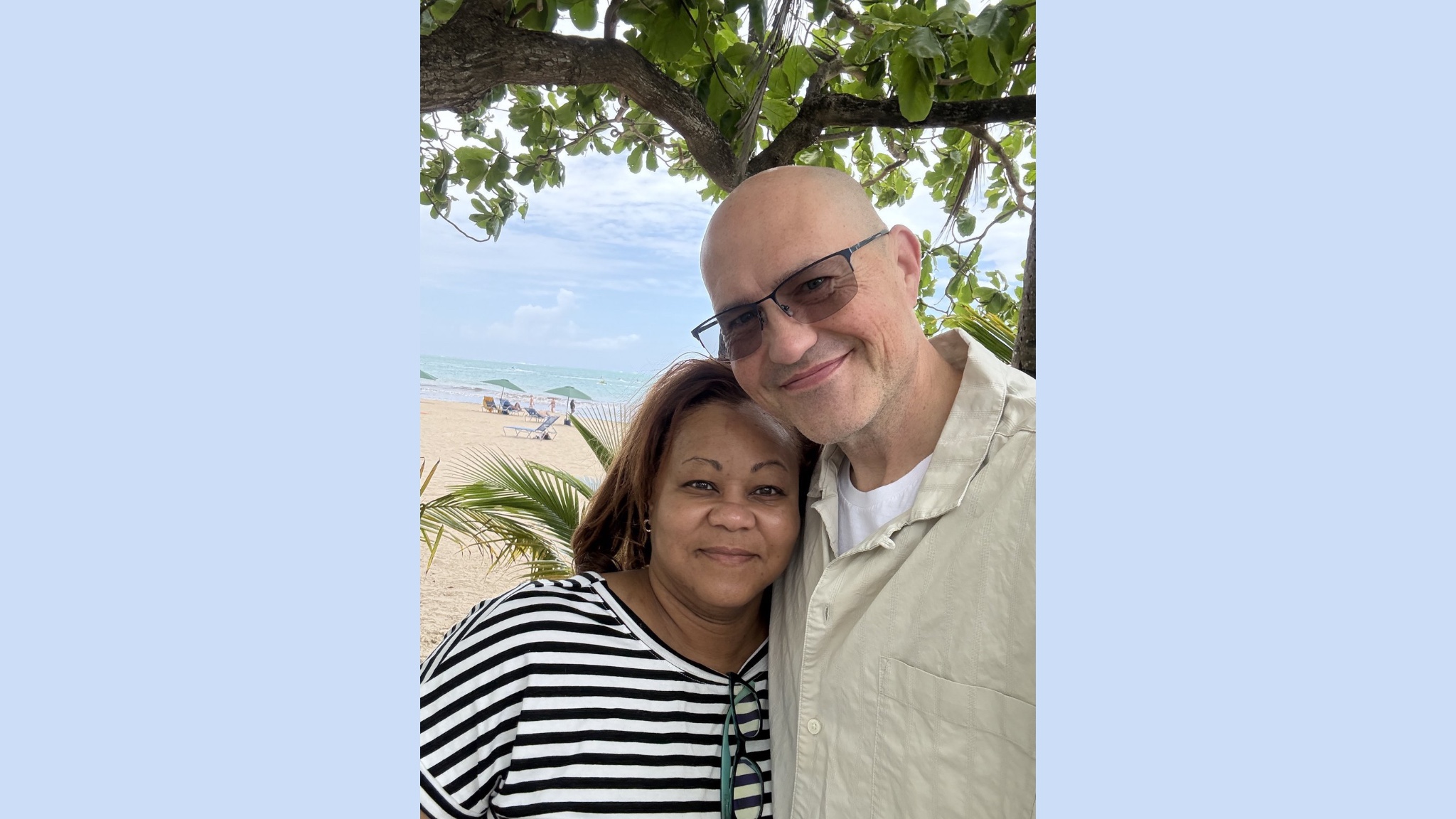
Above is Scott Johnson and his wife Tabitha.
Interviewed for T1D100.com by Barbara Giammona, posted July 7th, 2026.
Scott K. Johnson is a prominent Type 1 diabetes (T1D) advocate, blogger, and speaker diagnosed in 1980 at age five. Known for early work in the online diabetes community and his blog, scottsdiabetes.com, he focuses on the emotional and technology-driven aspects of diabetes management. He has worked extensively with mySugr and now with Blue Circle Health, aiming to empower patients and improve diabetes care. I sat down with Scott recently to talk about staying resilient when faced with the challenges of aging and of T1D in general.
Barbara Giammona: You recently turned 51. What are you thinking about at this moment as someone getting older and living with Type 1 diabetes?
Scott Johnson: I feel like I’ve really hit a good stride in managing my diabetes. Now I’m focusing more on incorporating resistance training to keep my body moving and feeling good as I age. I want to be able to travel, walk around, and do all the things I love without being slowed down by my body not cooperating. I still play basketball a few times a week, which I really enjoy, but I recognize resistance training will be important going forward.
Barbara: How would you say your overall diabetes management has evolved?
Scott: Over the last decade, things have come together nicely with DIY (Do It Yourself) automated insulin delivery systems and new medications hitting the market. I’m taking metformin, an SGLT2, and a GLP-1, so I’m attacking my diabetes from multiple angles. Thankfully, I tolerate these treatments well, and combined with technology, I feel like I’m working less hard and seeing better results than ever before.
Barbara: Do you still have aging parents? How does their health impact your views on aging with diabetes?
Scott: I lost my mom to cancer in 2005 and my dad passed away in the midst of the pandemic. It’s always too soon when a parent dies, and it makes you think about your own future. Seeing the care necessary for aging parents gives you perspective on what might lie ahead for you.
Barbara: You mentioned participating in a discussion about new research showing people with Type 1 diabetes might live as long or longer than those without diabetes. Can you tell me more about that?
Scott: Yes, I joined a conversation with Dr. Bill Polanski and Dr. Susan Guzman who shared newer evidence challenging older data that showed shorter lifespans for people with Type 1. Today, people managing their diabetes well are actually living long lives. It’s hopeful news that counters a lot of the negative narratives we were fed early on.
Barbara: That’s very encouraging. Of course, everyone always talks about the cure that’s “five years away.” Do you think when a cure actually comes that it will be available to older people with Type 1 diabetes?
Scott: That’s a great question. I wonder if access and resources will matter more than age. Some people struggle to afford treatments or trials, so a cure might not reach everyone equally. I don’t believe in conspiracy theories about companies not wanting a cure—I’ve met so many passionate people working hard to solve these problems. I’m cautiously optimistic, but I’ve learned to wait and see without putting all my hope in one thing. As I like to say, “time will tell!”
Barbara: Tell me about your work with Blue Circle Health. What is the organization’s mission and how does it serve adults with Type 1 diabetes?
Scott: Blue Circle Health is a nonprofit funded entirely by philanthropy. We provide clinical care—endocrinologists, diabetes educators, mental health professionals, case managers—all virtually and free of charge for adults with Type 1 who live in the states we serve. We’re in 20 states in the United States now, growing steadily.
Our mission has three parts: to learn how to best care for people with Type 1, to apply those learnings to help as many people as possible, and to share what we learn broadly to improve diabetes care everywhere. The healthcare system often struggles with chronic conditions, so we’re trying to build something better for adults with Type 1.
Barbara: That sounds incredible, and so needed. What do you tell people who feel bogged down by the daily demands of managing diabetes, especially when things don’t go as planned?
Scott: It’s tough. Even with all the miraculous science, medicine, and technology we have, diabetes is still hard. After all these years of research, there’s still so much that we don’t fully understand about the human body. Sometimes things just don’t work right, even when you’re doing everything you know how to do.
Sometimes nothing obvious has gone wrong, but blood sugars don’t cooperate. I’d say trust your ability to troubleshoot—check your sleep, diet, insulin quality, infusion site—but remember adjustments can take hours to take effect. It’s easy for a tough diabetes day to take over, but don’t give up. Know when to ask for help, especially if you’re spilling ketones or struggling with highs that won’t budge.
It’s also important not to be too aggressive and end up crashing low. Balance and persistence are key. And sometimes you have to just be brave enough to reach out and ask for help.
Barbara: How do you design your environment to help with diabetes management?
Scott: I like to have my blood sugar data easily glanceable—not always front and center, but available when I want it. I’ve got a little tablet near my desk that displays it; I’ve got it on my watch. It’s not necessarily in my face all the time, but when I’m curious, I can look up and I satisfy that curiosity.
One of the things that I know I have trouble with is serving sizes and portions. I often choose prepackaged foods when I can because the carb counts are predictable and this offloads some mental effort. As we get older, we often have more control to engineer these kinds of systems and routines that reduce burden.
Barbara: How do you balance diabetes management with quality of life?
Scott: That’s the real challenge. We could have perfect blood sugars if that’s all we cared about, but we’d miss out on life. It’s a moving target that requires flexibility—balancing safe and satisfactory management with living fully.
Barbara: Any last thoughts for our readers about living resiliently with diabetes as they age?
Scott: Resilience is about sticking with it through tough times, adapting, knowing when to ask for help, and creating an environment that supports you. Keep trying, trust yourself, and remember you’re not alone. There’s hope, community, and better care ahead.
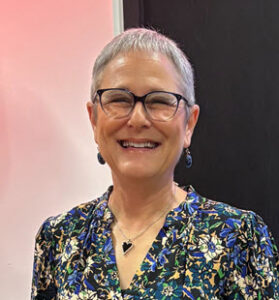
Barbara Giammona is a T1D diagnosed later in life. She worked in technical and corporate communication for nearly four decades. She is part of the founding team of T1Dto100. In retirement, she splits her time between homes in Southern California and the New Jersey Shore.
Recent Stories & News

Choosing Your 2027 Medicare Plan: An Open Enrollment Guide for People with Type 1 Diabetes
We have created this guide on how to choose your 2027 medicare plan including important dates, commons mistakes, and a checklist of things to do. There are also special insights on what you need to keep in mind, programs that could be helpful, and changes from the previous year. Read the full article for everything you need to know!
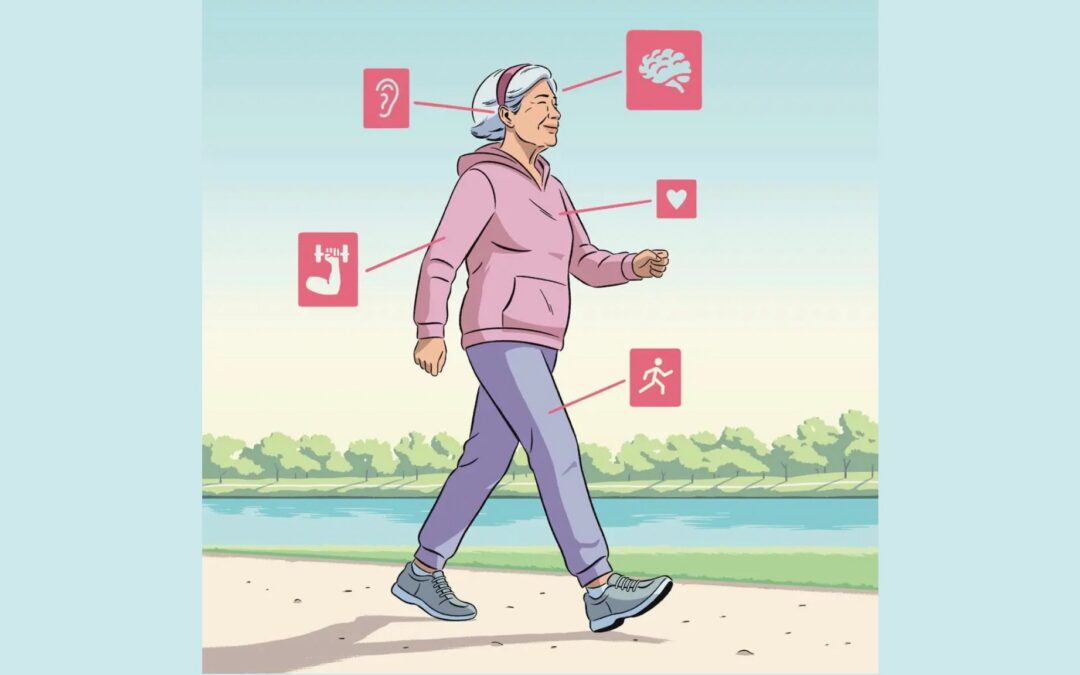
Intrinsic Capacity: The Most Important Longevity Term You’ve Probably Never Heard Of
Intrinsic Capacity is a new term experts are hoping to use to determine a person’s overall health in an effort to implement interventions for a longer, healthier, and happier life. Intrinsic Capacity is measured in five different key areas including cognition, locomotion, sensory capacity, psychological well-being, and vitality. Several studies are being implemented across the US to learn more on how to improve the accuracy of this metric and use it, eventually, for all ages.

LADA: Why So Many Adults Are Misdiagnosed With Type 2 Diabetes
A YouTube discussion from Taking Care of Your Diabetes (TCOYD) on why 4 in 10 people who are diagnosed with Latent Autoimmune Diabetes in Adults (LADA) are told they have Type 2 Diabetes first and the impact of this misdiagnosis on their health and progress.
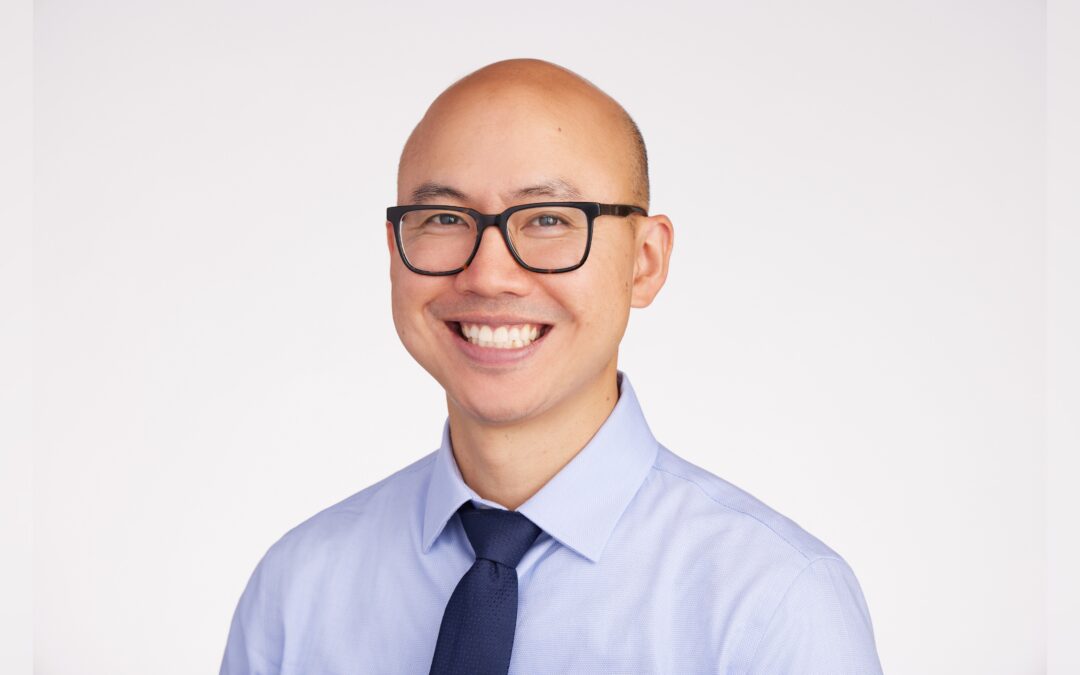
Interview – An Endo’s View: From the Other Side of the Examination Table
I conducted the interview below with my own endocrinologist Dr. David Lam. Our first visit lasted 90 minutes. We talked about diabetes only the last half hour. Lam is smart, tech savvy and responsive. As you might have guessed he is also compassionate, prizes partnership, and sees me as a person, not merely a condition. My husband was impressed when Dr. Lam stayed in text-touch with me, switching me from Lantus to Tresiba, over a weekend. I wanted to understand how he sees our challenges aging with type 1 diabetes and the ones he faces every day working within our industrialized health care system. He didn’t hesitate when I asked for this interview, so here’s an endocrinologist’s view from the other side of the examination table.

The New Science of Brain Workouts, Beyond Sudoku and Crosswords
Forget holding hands—new research reveals a surprising twist in how two people can become a dynamic duo against sudden loss of balance. A recent study, published in the Journal of the Royal Society Interface, demonstrates that when two individuals walk side by side, a rigid link between them dramatically accelerates balance recovery after unexpected slips.
0 Comments