

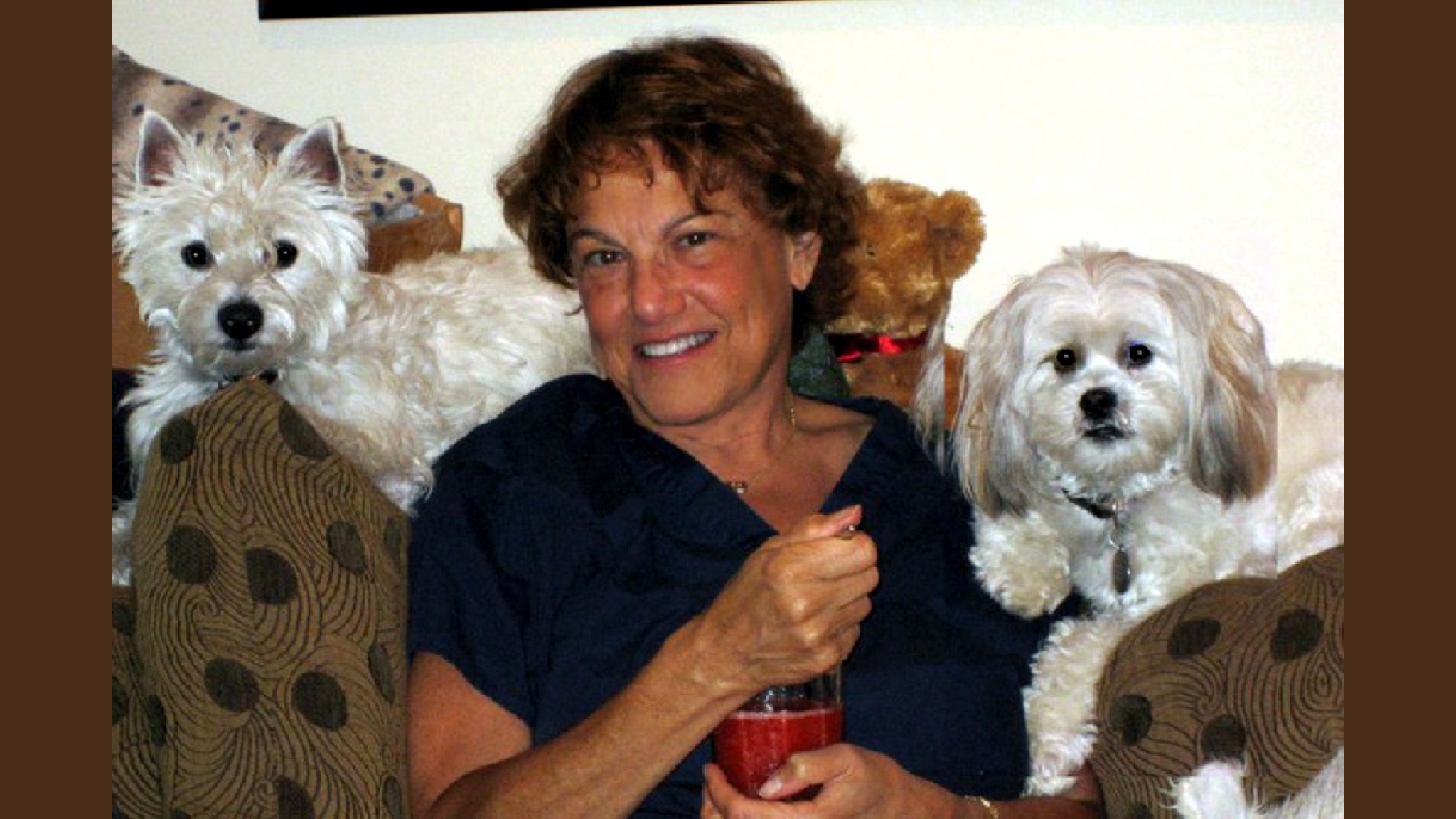
T1DStrong – Aging with Type 1 Diabetes: Joanne Milo on Research Gaps and Systems Reform
More adults are reaching older age with type 1 diabetes (T1D) than ever before, yet research, hospital care, and long-term support systems have not kept pace with their needs. Joanne Milo, diagnosed in 1965, is pushing for change through advocacy, research discussions, and her platform T1Dto100.
As the population of older adults living with T1D grows, she argues that the health care system must respond with better data, better training, and better infrastructure.
A Diagnosis in an Era Without a Future
Milo was diagnosed with type 1 diabetes at a time when many people were told they would not live past age 40.
Looking back, she rarely imagined adulthood. “I didn’t have any visions of the future,” she said. “I just put one foot in front of the other and kept going.”

Her mother feared she would die young. That anxiety shaped her childhood. Long-term planning did not feel real. Survival was the focus.
It was not until her 40s, after she found a committed life partner, that she began to think more seriously about longevity. Even then, the idea of growing older felt distant.

Around 2016, that changed. Milo was managing new diabetes challenges and began to worry about what might come next. She felt as if she were waiting for “the next shoe to drop.” In conversations with friends in their 50s and 60s who also live with T1D, she realized she was not alone. “We were all feeling a sense of ‘uh oh,’” she said.
They met around her dining table. Instead of sharing horror stories, they tried to identify their core concerns and possible solutions. After the COVID-19 pandemic, those discussions evolved into a clearer mission.
Many in her circle had heard similar predictions of a short life. Yet here they were, entering what Milo calls the “fourth quarter.” The problem, she said, is that no one planned for them to get there. Their longevity was no longer rare. It was becoming the norm.
The Demographic Shift No One Planned For
Type 1 is often described as a childhood disease. Data from the Centers for Disease Control and Prevention (CDC) tell a different story. Approximately 1.45 to 1.5 million Americans live with type 1 diabetes, and the average age is 47. The number of people over age 65 is projected to increase by 33 percent due to improved survival rates.
The majority of people living with the disease in the United States are now adults. As survival improves and technology advances, more people are reaching their 60s, 70s, and beyond.

Yet the health care system has been slow to respond, Milo said. “We’ve been excluded from research. Over age 65, we were seen as liabilities and too complicated.” She believes that exclusion has delayed progress in understanding how decades of insulin use, glucose variability, and aging-related conditions intersect.
When Survival Outpaced the System
Milo describes the current landscape for older adults as “messy.” Like anyone else, older adults may develop arthritis, balance issues, dementia and gastrointestinal problems. For those who have lived with T1D for decades, the picture can be more complex.
Many in the current aging generation did not have access to continuous glucose monitors (CGM), modern insulins, or automated insulin delivery systems for much of their lives. Research shows that greater blood glucose variability over time can increase the risk of complications, including eye disease, kidney problems, heart disease, and neuropathy.
Managing T1D is already difficult. Adam Brown, a diabetes advocate and author, has identified more than 60 factors that influence blood glucose levels. Milo said, “No one can manage that many variables perfectly every day. It would take a supercomputer, and even then, it might not be able to identify the nuances and emotions that impact our lives.”
Layer on hospital care and workforce shortages, and the challenges grow. “There is a huge shortage of trained medical professionals to manage insulin-dependent patients,” she said.
Endocrinologists are concentrated in large metropolitan areas. In some regions, patients wait six to nine months for appointments and travel hours to be seen. Endocrinology reimbursement rates are often lower than those of other specialties, which can discourage new trainees from entering the field.
Nursing and medical education often lag behind modern diabetes technology. “Nursing schools are slow to teach newer curricula,” she said. “Some nurses still do not fully understand the differences between type 1 and type 2 diabetes (T2D)!”

Hospital care remains a central concern, as facilities may not prioritize T1D management when a patient is admitted for another condition. Staff may be unfamiliar with insulin pumps or CGMs. That lack of training can lead to high blood glucose levels, delayed healing, and increased risk of infection.
“If they only cared for us properly while treating us, we’d heal better, faster, and healthier,” she said. She believes the problem is not just practice, but proof.
Research Gaps in Later-Life Care
She believes lasting change depends on evidence. “Research is essential,” she said. “That is the only way things will change.”
She points to several high-need areas:
- Hospital care for adult T1Ds. There has never been a comprehensive study focused specifically on how hospitals manage insulin-dependent patients during admissions.
- Housing and long-term care access. Some adults report being denied placement or charged additional fees because they require daily insulin management.
- Standardized training for auxiliary caregivers in assisted living and home settings to safely support insulin therapy and glucose monitoring.
Without research, Milo argues, lived experience remains anecdotal. “No data means no validation,” she said. “And that leads to no changes.”
Many studies excluded participants over age 65 due to concerns about comorbidities and polypharmacy. That exclusion, she said, has delayed progress in understanding the unique needs of older adults living with type 1 diabetes.
Meaningful progress over the next decade would include targeted studies in hospital care, housing standards, and caregiver education, along with continued funding for improved technology and therapies.
She acknowledges that many who have lived with it for more than 50 years may not personally benefit from future research findings. “Any changes we start to initiate now will most likely not impact most of us in time,” she said.
For that reason, Milo encourages gaining knowledge, learning self-advocacy skills, and peer support as parallel strategies. One of the most urgent concerns is where people will safely live as they grow older and who will care for them.
Long-Term Care and Housing: a Regulatory Blind Spot
As adults age, many begin to consider assisted living or long-term care. Milo describes the current landscape as the “Wild West.”
Unlike children, who may have protections under 504 plans in schools, there are no consistent federal policies outlining standards of care for older adults in residential settings.
Facilities may:
- Deny residents who use insulin pumps or CGMs
- Charge additional fees for diabetes-related support
- Lack staff trained to recognize and treat hypoglycemia promptly
- Insist that residents rely on their own care providers/family

Transitions into assisted living can introduce new risks, including:
- Delayed treatment of low blood glucose
- Limited support for device management when cognition declines
- Meals that are carbohydrate-heavy and not well balanced
- Difficulty coordinating medications and supplies
She said these gaps create uncertainty and fear for many.
Rethinking Control in Later Life
Another challenge is what she calls “realigning therapies.” For decades, many adults who are living well beyond their predicted “end date” have focused on tight glucose control to reduce long-term complications.
As bodies age, however, insulin sensitivity, hypoglycemia awareness, and glucose response can change. “Tight control can put us at higher risk.” Physicians talk about “deprescribing,” which most T1Ds react to with anger and fear. The newer term is “realignment” of care, in which changes can be introduced only when an aging T1D can no longer manage well under the rules they have followed for so many years.
She believes clinicians and patients must weigh the trade-off between “good” and “good enough.” Relaxing glucose targets may reduce the risk of severe hypoglycemia (which can result in falls, injuries and loss of consciousness) without significantly increasing long-term risk.
Yet, she said, many long-term survivors resist that shift. “I often mention loosening goals, and I’m met with total resistance. People say, ‘I’m fine.’”
As the body changes, so does the broader medical picture.
Polypharmacy adds complexity. As older adults develop additional health conditions, new medications may interact with insulin in unpredictable ways. Close coordination among primary care physicians and endocrinologists becomes critical.
Advocacy Beyond Awareness
To address these issues, Milo launched T1Dto100.com, a platform focused on older adults navigating later life with T1D.
In less than eight months, she said the T1Dto100 Facebook community has grown to over 3,000 members.
She describes the initiative as a “movement” focused on urgent needs and solutions. “We are having high-level discussions with Breakthrough T1D and the American Diabetes Association (ADA),” she said. And offering free discussions with AARP Senior Planet’s Lunch and Learn series.
Researchers have been receptive and enthusiastic about hearing from the aging community. Service organizations, she noted, often move more slowly.
Through surveys and discussions, the community provides input on research proposals and grants. Milo believes that lived experience should inform study design and policy decisions.
Technology as Protection and Independence
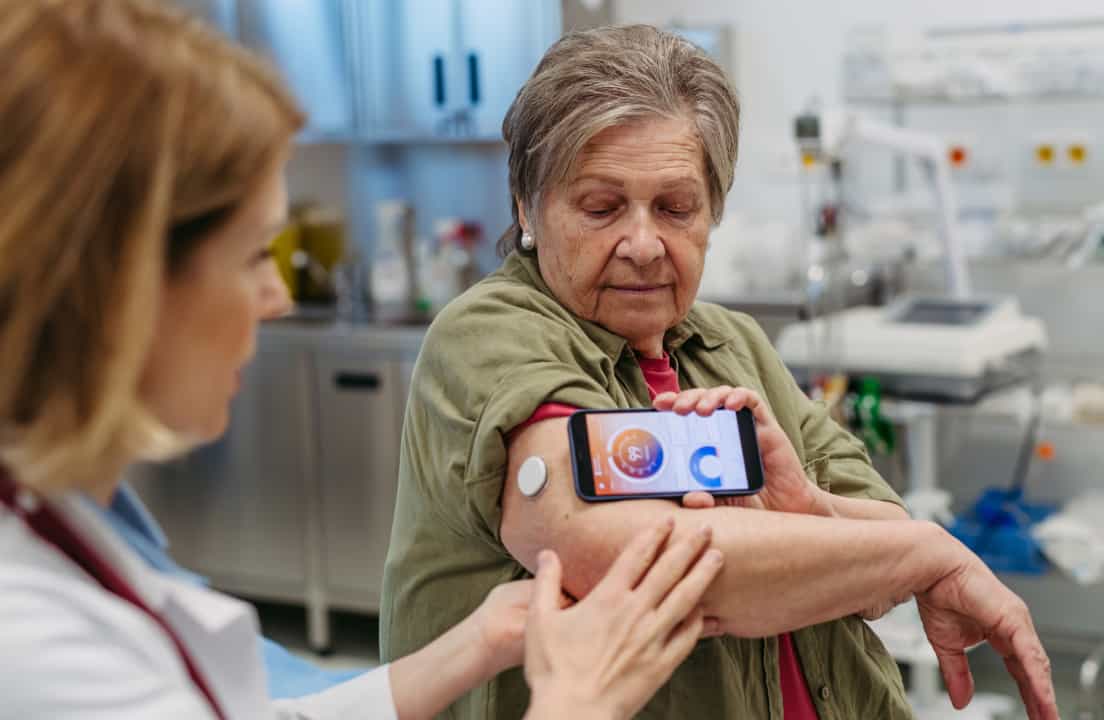
Advances in diabetes technology have changed the trajectory of long-term outcomes. Milo has long been involved in patient-led innovation, including do-it-yourself closed-loop systems known as DIY looping. She recently switched to an implantable CGM and said improved algorithms reduce daily burden. “Let the technology make the corrections,” she said.
She sees technology as protective, allowing older adults to maintain independence longer and reduce the risk of severe highs and lows.
Easier pump interfaces, fewer process steps, and more reliable sensors can support those experiencing changes in vision, dexterity, or cognition.
When formal systems move slowly, she said, patient-driven communities fill the gap. “Our community is often our very best resource.”
Coping with Decades of Management
Living with T1D for decades, Milo said, is simply hard. “It’s unexpectedly variable, costly, time-consuming, and constant.” Managing T1D is an unrelenting task. Blood glucose swings may appear without warning. Curveballs are common.
She emphasizes radical acceptance, mental health support, and finding moments of joy.

She is working with mental health professionals to host virtual events addressing fear of hypoglycemia and other stressors common in later life.
Personally, she looks for small moments and reminders of joy. “A good book, a fun TV show, playing with puppies. Whatever brings joy.”
When management shifts with age, she advises perspective. “The challenges are not personal. Sometimes I cry. Whatever works. A hug always helps.”
Recognizing the Living Legends
If Milo could accelerate one major shift over the next decade, she said it would be recognition. “See us as folks who have been very successful in managing a very difficult disease over a very long period of time. We have strong organizational skills, keeping up with ordering medications, supplies and appointments. We have extreme resilience, bouncing back after bad days and technology failures. And we know how to stay focused.”
Older adults, she said, have navigated with limited tools, evolving technology, and complex health systems.
“We are living legends,” she said. “Surviving proudly despite the predictions.”
As the number of older adults grows, their stories are no longer rare exceptions. They are signals of a demographic shift that demands attention.
Research, training, housing standards, and clinical guidelines must catch up with reality. She believes that by speaking up, organizing, and sharing lived experience, the community can help shape what later life will look like for the next generation.
For now, she and her peers continue into the fourth quarter with eyes open, determined that the end will be defined not by neglect but by progress.
2 Comments
Submit a Comment
Recent Stories & News

Choosing Your 2027 Medicare Plan: An Open Enrollment Guide for People with Type 1 Diabetes
We have created this guide on how to choose your 2027 medicare plan including important dates, commons mistakes, and a checklist of things to do. There are also special insights on what you need to keep in mind, programs that could be helpful, and changes from the previous year. Read the full article for everything you need to know!
Intrinsic Capacity: The Most Important Longevity Term You’ve Probably Never Heard Of
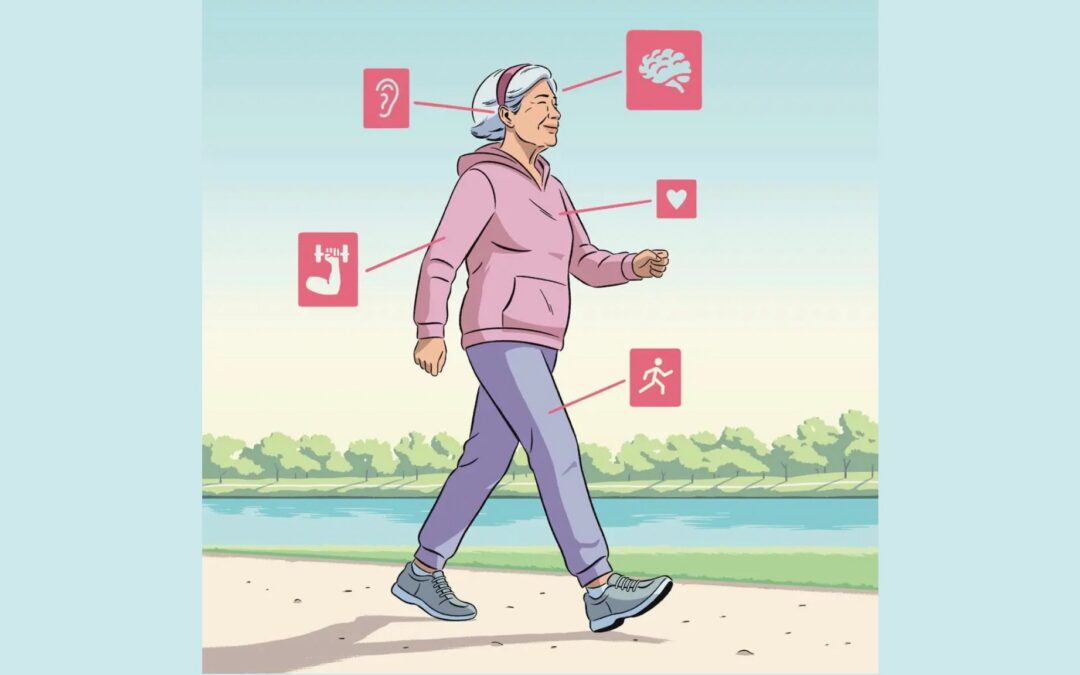
Intrinsic Capacity is a new term experts are hoping to use to determine a person’s overall health in an effort to implement interventions for a longer, healthier, and happier life. Intrinsic Capacity is measured in five different key areas including cognition, locomotion, sensory capacity, psychological well-being, and vitality. Several studies are being implemented across the US to learn more on how to improve the accuracy of this metric and use it, eventually, for all ages.

LADA: Why So Many Adults Are Misdiagnosed With Type 2 Diabetes
A YouTube discussion from Taking Care of Your Diabetes (TCOYD) on why 4 in 10 people who are diagnosed with Latent Autoimmune Diabetes in Adults (LADA) are told they have Type 2 Diabetes first and the impact of this misdiagnosis on their health and progress.
Interview – An Endo’s View: From the Other Side of the Examination Table
I conducted the interview below with my own endocrinologist Dr. David Lam. Our first visit lasted 90 minutes. We talked about diabetes only the last half hour. Lam is smart, tech savvy and responsive. As you might have guessed he is also compassionate, prizes partnership, and sees me as a person, not merely a condition. My husband was impressed when Dr. Lam stayed in text-touch with me, switching me from Lantus to Tresiba, over a weekend. I wanted to understand how he sees our challenges aging with type 1 diabetes and the ones he faces every day working within our industrialized health care system. He didn’t hesitate when I asked for this interview, so here’s an endocrinologist’s view from the other side of the examination table.

The New Science of Brain Workouts, Beyond Sudoku and Crosswords
Forget holding hands—new research reveals a surprising twist in how two people can become a dynamic duo against sudden loss of balance. A recent study, published in the Journal of the Royal Society Interface, demonstrates that when two individuals walk side by side, a rigid link between them dramatically accelerates balance recovery after unexpected slips.
As a 76 year old survivor of T1 for 65 years, and a strong self-advocate of remaining as healthy as possible, I really appreciated this article. I can relate to so many of the points made! One of my FB groups is for people who have survived T1 for 50 years and longer, and I’m happy to see it’s always growing. The thought of needing a hospital stay terrifies me!! The few times I had to be there during my life, I had to educate doctors and nurses on my own, and there is no endocrinologist in my area that I trust to “know” what’s best for me. As a biologist, teacher, and researcher, I would love to be a part of that change.
Hi Carol … Thanks so much for your comments … and for reaching out. Please send me a PM … let’s talk! Also, my whole goal with T1Dto100 is to bring knowledge to us agers and inform researchers and educate the healthcare providers. I try to share all our resources to all FB groups … the one you mention is the only one who doesn’t allow me to share. Especially for our demographics, we HAVE to advocate for ourselves, as things won’t change fast enough. Sending hugs!!!