


Your Thanksgiving and Diabetes Game Plan: 7 Blood Sugar Hacks for the Big Feast! by TCOYD
For many people, Thanksgiving is the ultimate food holiday. Between the mashed potatoes, stuffing, rolls, and pies, it’s a day when carb counts soar higher than balloons in the Macy’s parade. If you live with diabetes, the thought of this annual feast might bring a mix of excitement and stress. How do you enjoy your favorite foods without sending your blood sugars into a tailspin? The good news: you don’t have to choose between celebrating and staying in range. With a smart Thanksgiving and diabetes game plan, you can savor the holiday while keeping your blood sugars steady. Here are seven blood sugar hacks to help you enjoy Thanksgiving and still feel good afterward.
- Pregame with a Protein-Packed Breakfast: Start the day with a protein-rich breakfast, such as scrambled eggs, Greek yogurt with nuts, or a veggie omelet. Protein helps keep your appetite in check and steadies blood sugars before you even hit the dinner table. Think of it as laying down a solid foundation.
- Exercise and Blood Sugar: Don’t Forget to Move Before (and After) the Meal: A little physical activity before the meal can work wonders. Or go for a walk after dinner. Research shows that walking for just 10–15 minutes post-meal helps lower blood sugar spikes. Plus, it’s a great excuse to grab a friend or family member and stroll outside, giving your digestive system a head start.
- Load Up on the “Fab Four”: When filling your plate, start with the “fab four”: protein, fiber, fat, and non-starchy vegetables. These nutrients slow down the rate at which carbs are converted into glucose, resulting in fewer sharp spikes.
- Play the Portion Game: When it comes to Thanksgiving and diabetes, pick the carbs you truly love and keep portions of others smaller.
- Master the Art of Pre-Bolusing: Taking your mealtime insulin 10–20 minutes before eating (instead of at the first bite) can help your blood sugar curve match the digestion curve. Just keep in mind: holiday meals aren’t always on schedule. If you’re not sure when the food will actually hit the table, wait until serving dishes are moving around before dosing. And if you’re using an automated insulin delivery (AID) system, consider entering the carbs a little early so the system can start adjusting sooner.
- Dessert Without the Drama: Instead of skipping it completely or going overboard, aim for a mindful middle ground.
-
-
- Pick one favorite dessert instead of sampling everything.
- Pair it with protein or fat (like nuts, whipped cream, or cheese) to slow digestion.
- Take a walk afterward to help smooth out your blood sugar.
-
-
- Keep Stress in Check: Family dynamics, travel, and long days in the kitchen can all raise stress hormones, which in turn raise blood sugar levels. And since stress and diabetes are closely linked, it’s worth planning ahead to keep calm in the chaos. This year, build in time for mini stress-busters. Step outside for a few deep breaths, excuse yourself for a quick walk, or focus on gratitude for the people around you. Joy and connection are just as important to your well-being as what’s on your plate.
*Bonus Hack: Remember, It’s Just One Day: One of the most helpful mindsets is this: Thanksgiving is just one day. One meal won’t make or break your overall health. What matters most is your patterns and habits over the long term. If your blood sugar runs higher than usual for a day, it’s not a failure—it’s life. The real win is enjoying the holiday without guilt and returning to your regular routine afterward.
Link to original article: https://tcoyd.org/2025/10/thanksgiving-and-diabetes/
Recent Stories & News

Choosing Your 2027 Medicare Plan: An Open Enrollment Guide for People with Type 1 Diabetes
We have created this guide on how to choose your 2027 medicare plan including important dates, commons mistakes, and a checklist of things to do. There are also special insights on what you need to keep in mind, programs that could be helpful, and changes from the previous year. Read the full article for everything you need to know!
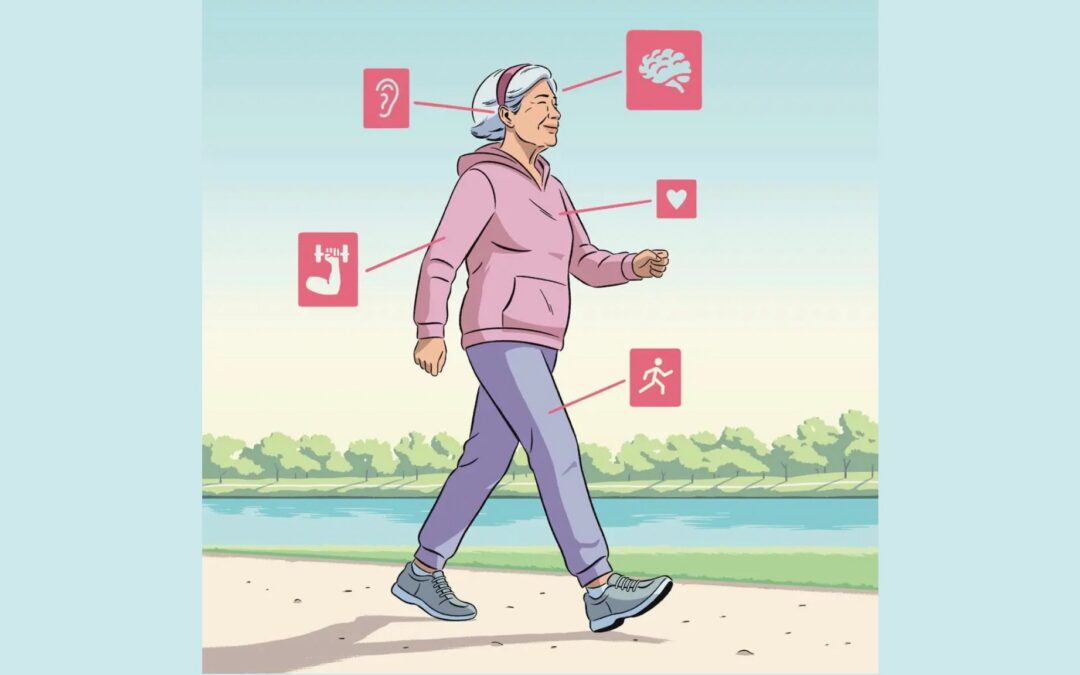
Intrinsic Capacity: The Most Important Longevity Term You’ve Probably Never Heard Of
Intrinsic Capacity is a new term experts are hoping to use to determine a person’s overall health in an effort to implement interventions for a longer, healthier, and happier life. Intrinsic Capacity is measured in five different key areas including cognition, locomotion, sensory capacity, psychological well-being, and vitality. Several studies are being implemented across the US to learn more on how to improve the accuracy of this metric and use it, eventually, for all ages.

LADA: Why So Many Adults Are Misdiagnosed With Type 2 Diabetes
A YouTube discussion from Taking Care of Your Diabetes (TCOYD) on why 4 in 10 people who are diagnosed with Latent Autoimmune Diabetes in Adults (LADA) are told they have Type 2 Diabetes first and the impact of this misdiagnosis on their health and progress.

Interview – An Endo’s View: From the Other Side of the Examination Table
I conducted the interview below with my own endocrinologist Dr. David Lam. Our first visit lasted 90 minutes. We talked about diabetes only the last half hour. Lam is smart, tech savvy and responsive. As you might have guessed he is also compassionate, prizes partnership, and sees me as a person, not merely a condition. My husband was impressed when Dr. Lam stayed in text-touch with me, switching me from Lantus to Tresiba, over a weekend. I wanted to understand how he sees our challenges aging with type 1 diabetes and the ones he faces every day working within our industrialized health care system. He didn’t hesitate when I asked for this interview, so here’s an endocrinologist’s view from the other side of the examination table.

The New Science of Brain Workouts, Beyond Sudoku and Crosswords
Forget holding hands—new research reveals a surprising twist in how two people can become a dynamic duo against sudden loss of balance. A recent study, published in the Journal of the Royal Society Interface, demonstrates that when two individuals walk side by side, a rigid link between them dramatically accelerates balance recovery after unexpected slips.
0 Comments