

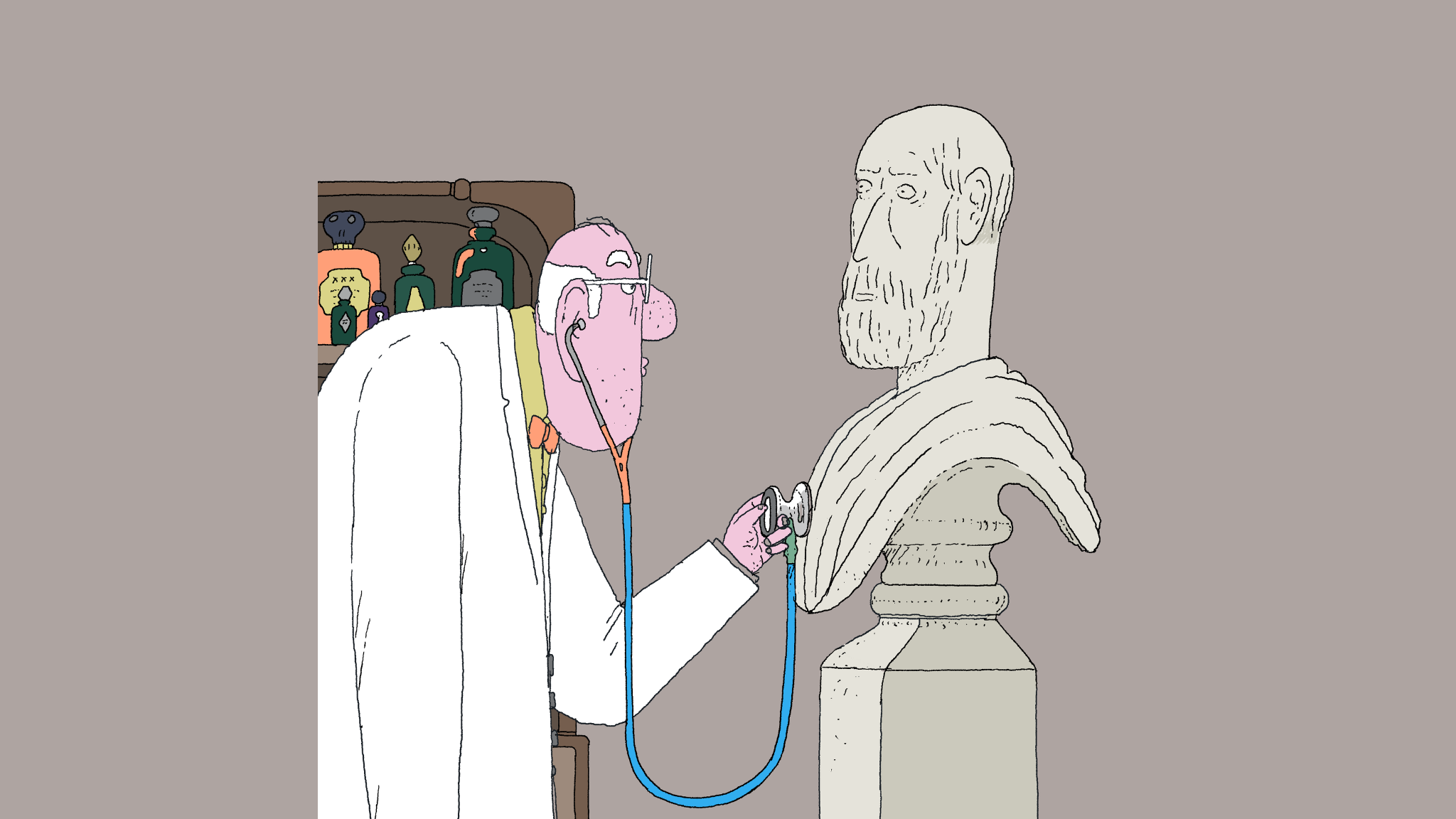
When the Doctor Needs a Checkup
Excerpted from an article by Paula Span for NYTimes.com, 31 January 2026.
That didn’t mean the surgeon had to retire; a variety of accommodations would allow him to continue in other roles. “He retained a lifetime of knowledge that had not been impacted by cognitive changes,” Dr. Katlic said. The hospital “took him out of the O.R., but he continued to see patients in the clinic.”
Such incidents are likely to become more common, because America’s physician work force is aging fast. In 2005, more than 11 percent of doctors who were seeing patients were 65 or older, the American Medical Association said. Last year, the proportion reached 22.4 percent, nearly 203,000 older practitioners.
Given physician shortages, especially in rural areas and in key specialties like primary care, nobody wants to drive out veteran doctors with skills and experience.
Yet researchers have documented “a gradual decline in physicians’ cognitive abilities starting in their mid-60s,” said Dr. Thomas Gallagher, an internist and bioethicist at the University of Washington who has studied late-career trajectories. At older ages, reaction times slow; knowledge can become outdated. Cognitive scores vary greatly, however. “Some practitioners continue to do as well as they did in their 40s and 50s, and others really start to struggle,” Dr. Gallagher said.
A few health organizations have responded by establishing late-career practitioner programs mandating that older doctors be screened for cognitive and physical deficits. Nobody has tracked how many exist; Dr. Gallagher guesstimated as many as 200. But given that the United States has more than 6,000 hospitals, those with late-career programs constitute “a vast minority,” he said.
“There are all sorts of accommodations” for doctors whose assessments indicate the need for different roles, Dr. Gallagher noted. They could adopt less onerous schedules or handle routine procedures while leaving complex six-hour surgeries to their colleagues. They might transition to teaching, mentoring and consulting.
Yet a substantial number of older doctors head for the exits and retire rather than face a mandated evaluation, he said.
This article advises, “If you see something, say something,” referring to health care professionals who witness doctors (of any age) faltering.
BUT what if you notice something? What would you do? Who would you talk to about your concerns?
Here is the link to the original article, https://www.nytimes.com/2026/01/31/health/doctors-cognitive-decline.html, which may require a subscription.
Recent Stories & News

Choosing Your 2027 Medicare Plan: An Open Enrollment Guide for People with Type 1 Diabetes
We have created this guide on how to choose your 2027 medicare plan including important dates, commons mistakes, and a checklist of things to do. There are also special insights on what you need to keep in mind, programs that could be helpful, and changes from the previous year. Read the full article for everything you need to know!
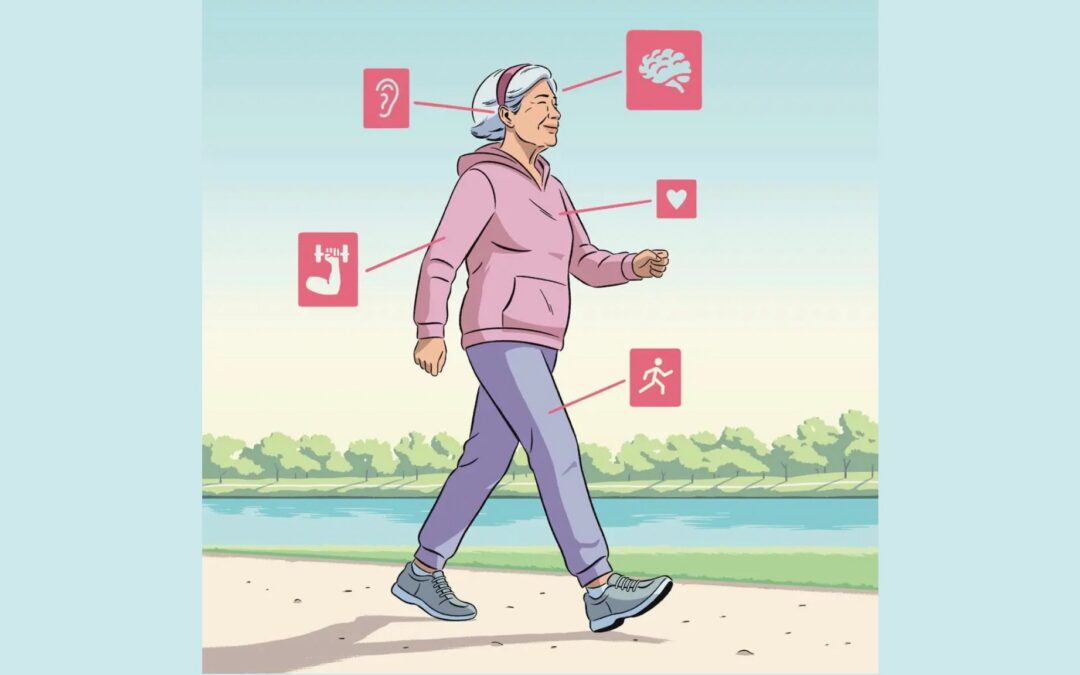
Intrinsic Capacity: The Most Important Longevity Term You’ve Probably Never Heard Of
Intrinsic Capacity is a new term experts are hoping to use to determine a person’s overall health in an effort to implement interventions for a longer, healthier, and happier life. Intrinsic Capacity is measured in five different key areas including cognition, locomotion, sensory capacity, psychological well-being, and vitality. Several studies are being implemented across the US to learn more on how to improve the accuracy of this metric and use it, eventually, for all ages.
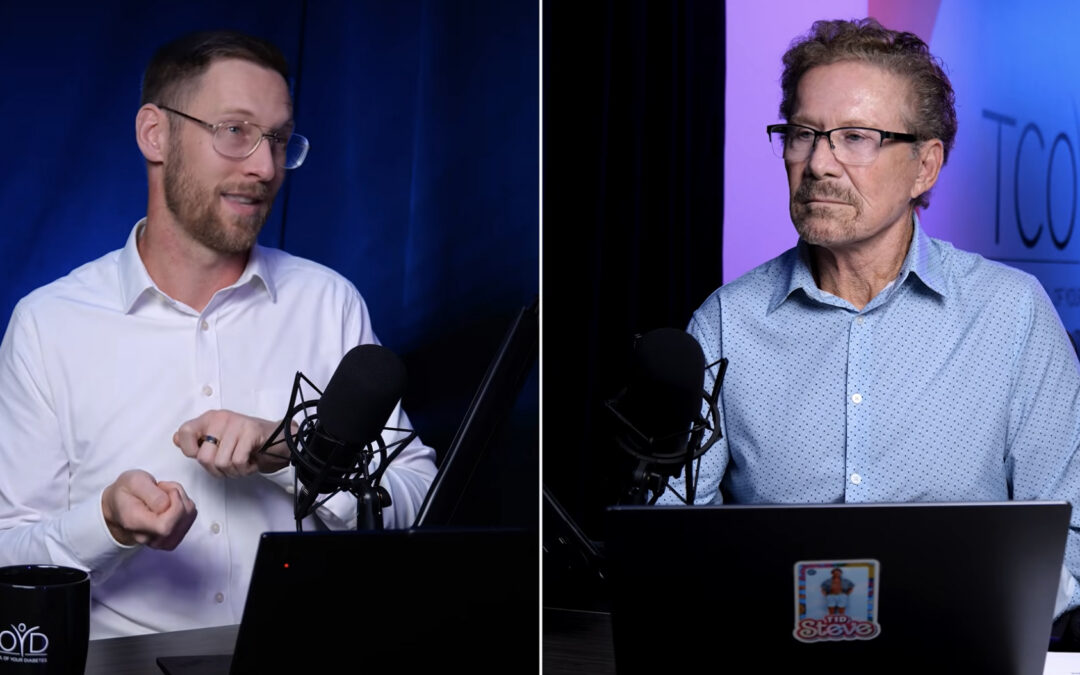
LADA: Why So Many Adults Are Misdiagnosed With Type 2 Diabetes
A YouTube discussion from Taking Care of Your Diabetes (TCOYD) on why 4 in 10 people who are diagnosed with Latent Autoimmune Diabetes in Adults (LADA) are told they have Type 2 Diabetes first and the impact of this misdiagnosis on their health and progress.
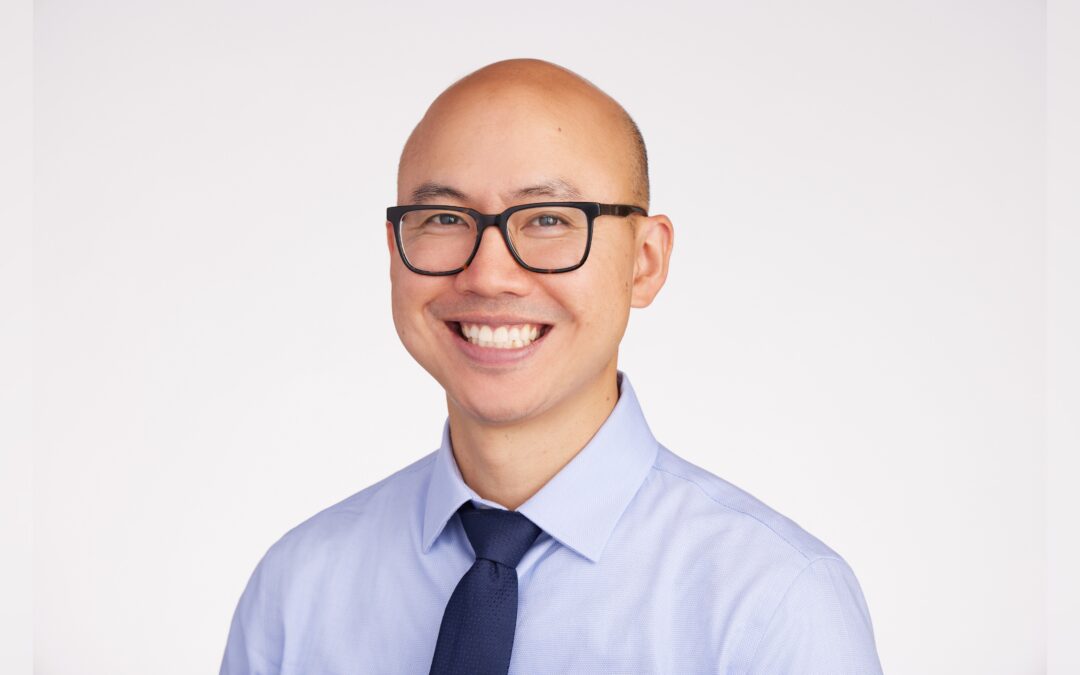
Interview – An Endo’s View: From the Other Side of the Examination Table
I conducted the interview below with my own endocrinologist Dr. David Lam. Our first visit lasted 90 minutes. We talked about diabetes only the last half hour. Lam is smart, tech savvy and responsive. As you might have guessed he is also compassionate, prizes partnership, and sees me as a person, not merely a condition. My husband was impressed when Dr. Lam stayed in text-touch with me, switching me from Lantus to Tresiba, over a weekend. I wanted to understand how he sees our challenges aging with type 1 diabetes and the ones he faces every day working within our industrialized health care system. He didn’t hesitate when I asked for this interview, so here’s an endocrinologist’s view from the other side of the examination table.
The New Science of Brain Workouts, Beyond Sudoku and Crosswords
Forget holding hands—new research reveals a surprising twist in how two people can become a dynamic duo against sudden loss of balance. A recent study, published in the Journal of the Royal Society Interface, demonstrates that when two individuals walk side by side, a rigid link between them dramatically accelerates balance recovery after unexpected slips.
0 Comments