

Getting Help at Home: Services for Aging Adults with Type 1 Diabetes
If you’re hoping to stay in your own home as long as possible (aging in place), there are a growing number of services that can support you in managing your diabetes safely and effectively. Here are some to consider:
Home Health Services
These are medical services delivered at home, often covered by Medicare with a doctor’s order. They can include:
- Nursing visits for blood sugar checks, medication management, and wound care
- Education on insulin use, CGMs, and nutrition
- Coordination with your endocrinologist or primary care team
Tip: Ask your doctor for a referral to a home health agency that has experience with diabetes care—especially T1D.
Private Duty Nursing or Aides
If you need more help than Medicare covers, private agencies offer:
- Help with injections, pump site changes, CGM setup
- Assistance with daily tasks like meals, hygiene, and mobility
- Companionship and overnight support (especially important for nighttime lows)
Look for caregivers trained in chronic condition management, or ask if the agency provides specific diabetes training.
Other Helpful Resources
- Visiting Diabetes Educators: Some Certified Diabetes Care and Education Specialists (CDCES) offer in-home or virtual coaching.
- Telehealth Programs: Many endocrinology clinics now offer virtual visits with diabetes educators and tech support.
- Aging Services Agencies: Local Area Agencies on Aging (AAA) can connect you with transportation, meal delivery, and caregiver support. Find your local AAA here.
- PACE Programs (Program of All-Inclusive Care for the Elderly): If available in your area, PACE offers comprehensive medical and support services, including diabetes care, often at low or no cost. Learn more about PACE.
Last updated 09/28/2025.
Recent Stories

Choosing Your 2027 Medicare Plan: An Open Enrollment Guide for People with Type 1 Diabetes
We have created this guide on how to choose your 2027 medicare plan including important dates, commons mistakes, and a checklist of things to do. There are also special insights on what you need to keep in mind, programs that could be helpful, and changes from the previous year. Read the full article for everything you need to know!
Intrinsic Capacity: The Most Important Longevity Term You’ve Probably Never Heard Of
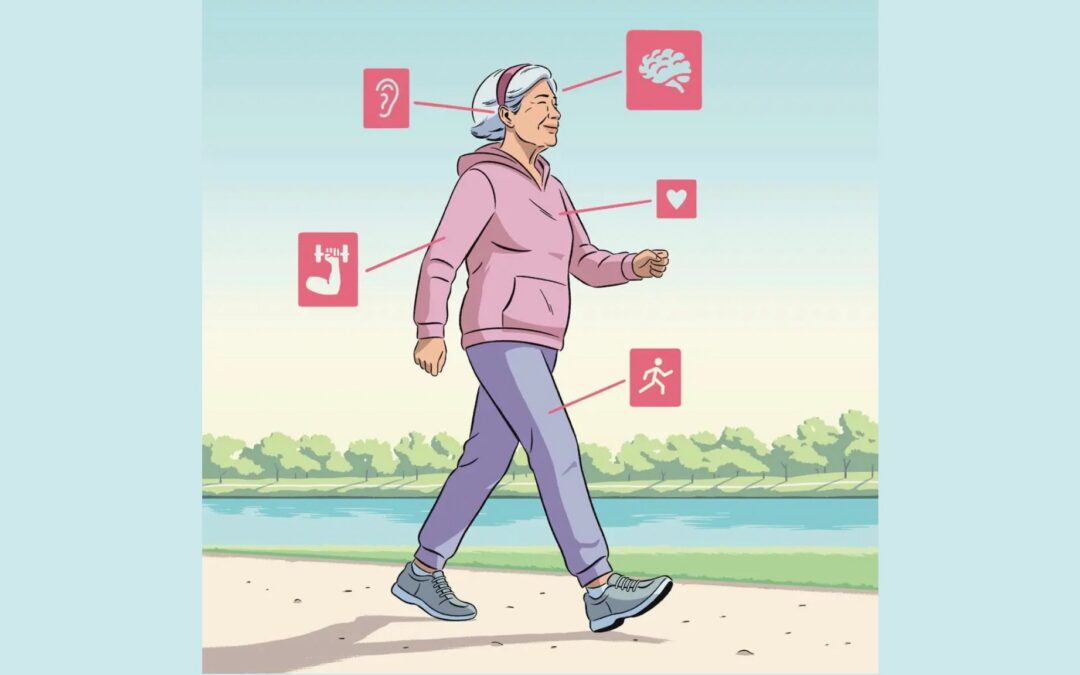
Intrinsic Capacity is a new term experts are hoping to use to determine a person’s overall health in an effort to implement interventions for a longer, healthier, and happier life. Intrinsic Capacity is measured in five different key areas including cognition, locomotion, sensory capacity, psychological well-being, and vitality. Several studies are being implemented across the US to learn more on how to improve the accuracy of this metric and use it, eventually, for all ages.

LADA: Why So Many Adults Are Misdiagnosed With Type 2 Diabetes
A YouTube discussion from Taking Care of Your Diabetes (TCOYD) on why 4 in 10 people who are diagnosed with Latent Autoimmune Diabetes in Adults (LADA) are told they have Type 2 Diabetes first and the impact of this misdiagnosis on their health and progress.