

Family Guide: Type 1 Diabetes & Nursing Home Care
1. Key Questions to Ask the Facility
- How many residents have Type 1 diabetes?
- Are staff trained in T1D, insulin pumps, and CGMs?
- Can my loved one self-administer insulin?
- How are low blood sugars handled (especially overnight)?
- Are carb counts provided for each meal?
2. What to Pack & Prepare
- Extra diabetes supplies (insulin, sensors, glucagon)
- A printed insulin-to-carb ratio plan from an endocrinologist
- Glucose tabs, juice boxes, and low blood sugar snacks
- A labeled “Diabetes Emergency Kit”
- List of trusted contacts and care advocates
3. Care Planning Tips
- Attend the intake meeting with your loved one.
- Ensure their diabetes care plan is documented in the chart.
- Schedule regular check-ins with staff.
- Use a medication or supply tracker to monitor reordering.
- Provide laminated cheat sheets for caregivers.
4. Advocacy Reminders
- Your loved one has the right to participate in care decisions.
- Their devices (pump/CGM) should be supported.
- You can request a diabetes educator to train staff.
- You can file complaints with the Ombudsman or state if care is unsafe.
Recent Stories

Choosing Your 2027 Medicare Plan: An Open Enrollment Guide for People with Type 1 Diabetes
We have created this guide on how to choose your 2027 medicare plan including important dates, commons mistakes, and a checklist of things to do. There are also special insights on what you need to keep in mind, programs that could be helpful, and changes from the previous year. Read the full article for everything you need to know!
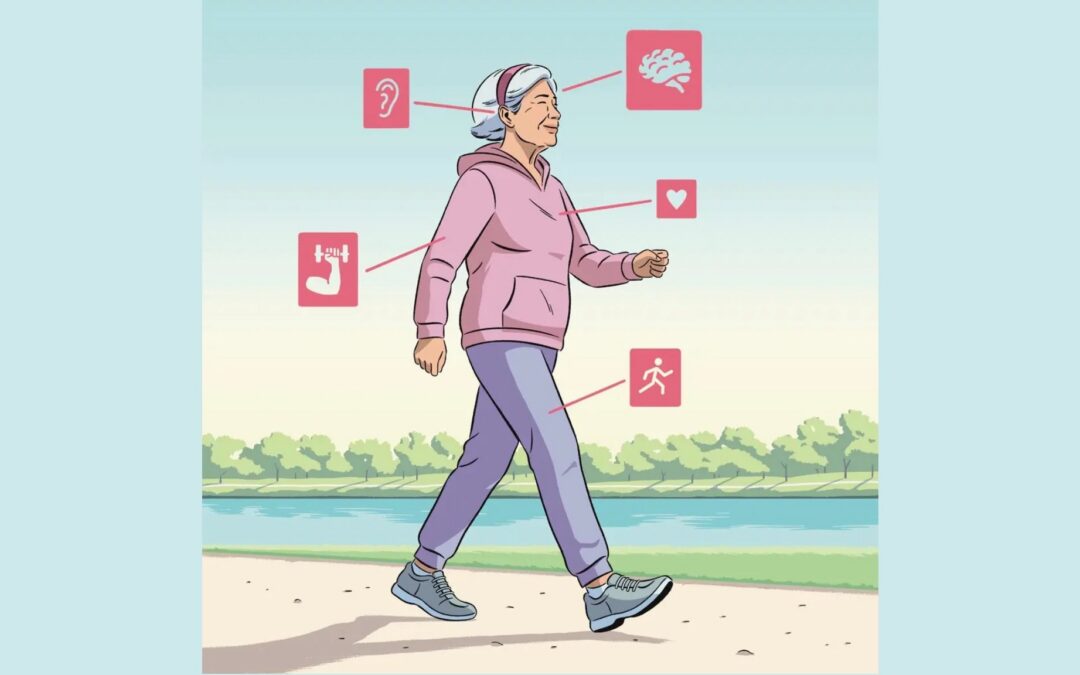
Intrinsic Capacity: The Most Important Longevity Term You’ve Probably Never Heard Of
Intrinsic Capacity is a new term experts are hoping to use to determine a person’s overall health in an effort to implement interventions for a longer, healthier, and happier life. Intrinsic Capacity is measured in five different key areas including cognition, locomotion, sensory capacity, psychological well-being, and vitality. Several studies are being implemented across the US to learn more on how to improve the accuracy of this metric and use it, eventually, for all ages.

LADA: Why So Many Adults Are Misdiagnosed With Type 2 Diabetes
A YouTube discussion from Taking Care of Your Diabetes (TCOYD) on why 4 in 10 people who are diagnosed with Latent Autoimmune Diabetes in Adults (LADA) are told they have Type 2 Diabetes first and the impact of this misdiagnosis on their health and progress.