

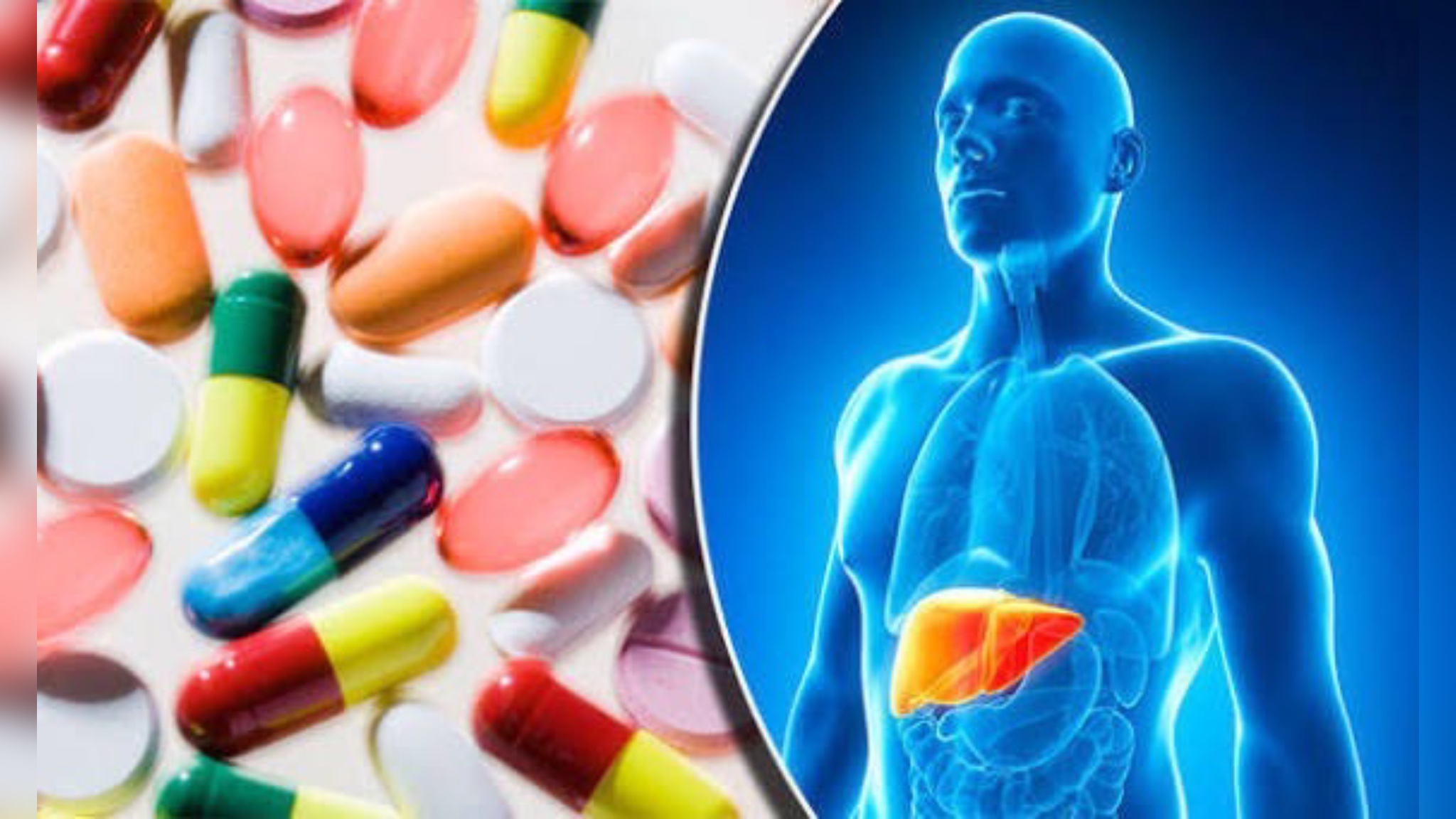
10 Popular Supplements That Can Damage Your Liver
If you’re like nearly 80 percent of older adults, chances are, you took a supplement today. Maybe it’s an insurance policy if your diet doesn’t cut it. Maybe it’s because you have joint pain and you want to ease the ache. Whatever your reason, the overarching goal is probably not to damage the liver.
Indeed, people with type 1 diabetes (T1D) can experience liver damage, including MASLD (Fatty Liver), Glycogenic Hepatopathy, and Autoimmune Hepatitis.
Unfortunately, the reality is that many popular supplements can do just that — and little else — causing repercussions as severe as liver failure. While there are several categories of supplements, including multivitamins, single-nutrients (such as omega-3s, vitamin D or calcium), and herbals (also called botanicals), it’s the herbal supplements that pose the biggest risk for liver damage.
About 5 percent of U.S. adults — that’s 15.6 million people — took potentially liver-damaging botanical supplements within the last month, according to a 2024 study published in JAMA Network Open, with middle-aged and older adults being some of the most likely groups to do so. In the study, six specific botanicals were singled out because data from the Drug-Induced Liver Injury Network identified them as the ones that are most likely to be associated with liver toxicity. These six supplements include: ashwagandha, black cohosh, gardinia cambogia, green tea extract, red yeast rice, and turmeric/curcumin.
While the six supplements above may be the ones most often implicated in liver injury, more than 1,000 medications and herbals are associated with liver damage.
How supplements can harm the liver: The liver is the body’s clearing house. “Pretty much anything you ingest has the potential to be toxic to the liver,” says Dr. Don Rockey, a professor of medicine at the Medical University of South Carolina and an American Liver Foundation volunteer expert. “Everything you consume goes into the [gastrointestinal] tract, is absorbed, and the first place it goes is the liver,” he explains.
Hepatocytes — the main type of cells in the liver — detoxify your body, but they can be damaged. Age can contribute to the problem. Age-related changes in the liver make the organ less resilient to stress and less effective at metabolizing substances, potentially leading to greater damage.
Tips for staying safe with supplements
If you’re going to take a supplement, there are some steps you can take to help keep you safe.
- Research. Doing some research is a key first step — just be sure you’re using a trusted source. One resource to check out when researching supplements is the LiverTox database from the National Institutes of Diabetes and Digestive and Kidney Diseases.
- Talk to your provider. This is, by far, the most important thing you can do
- Be careful with herbals.
- Look for third-party testing. Research suggests there are 80,000 herbal and dietary supplements on the market. With concerns about contamination and mislabeling, choose a product with independent, third-party testing from organizations like the NSF or USP.
- Skip liver supplements entirely.
- Get regular blood work.
Read more: 10 Popular Supplements That Can Damage Your Liver
Recent Stories & News
Choosing Your 2027 Medicare Plan: An Open Enrollment Guide for People with Type 1 Diabetes
We have created this guide on how to choose your 2027 medicare plan including important dates, commons mistakes, and a checklist of things to do. There are also special insights on what you need to keep in mind, programs that could be helpful, and changes from the previous year. Read the full article for everything you need to know!
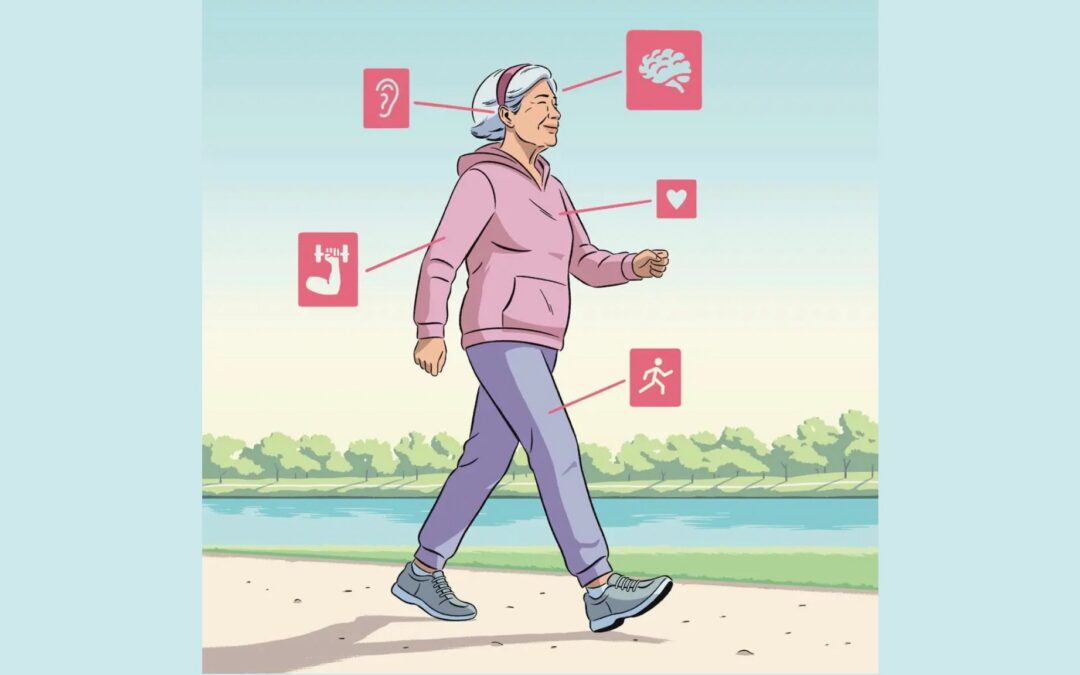
Intrinsic Capacity: The Most Important Longevity Term You’ve Probably Never Heard Of
Intrinsic Capacity is a new term experts are hoping to use to determine a person’s overall health in an effort to implement interventions for a longer, healthier, and happier life. Intrinsic Capacity is measured in five different key areas including cognition, locomotion, sensory capacity, psychological well-being, and vitality. Several studies are being implemented across the US to learn more on how to improve the accuracy of this metric and use it, eventually, for all ages.

LADA: Why So Many Adults Are Misdiagnosed With Type 2 Diabetes
A YouTube discussion from Taking Care of Your Diabetes (TCOYD) on why 4 in 10 people who are diagnosed with Latent Autoimmune Diabetes in Adults (LADA) are told they have Type 2 Diabetes first and the impact of this misdiagnosis on their health and progress.

Interview – An Endo’s View: From the Other Side of the Examination Table
I conducted the interview below with my own endocrinologist Dr. David Lam. Our first visit lasted 90 minutes. We talked about diabetes only the last half hour. Lam is smart, tech savvy and responsive. As you might have guessed he is also compassionate, prizes partnership, and sees me as a person, not merely a condition. My husband was impressed when Dr. Lam stayed in text-touch with me, switching me from Lantus to Tresiba, over a weekend. I wanted to understand how he sees our challenges aging with type 1 diabetes and the ones he faces every day working within our industrialized health care system. He didn’t hesitate when I asked for this interview, so here’s an endocrinologist’s view from the other side of the examination table.
The New Science of Brain Workouts, Beyond Sudoku and Crosswords
Forget holding hands—new research reveals a surprising twist in how two people can become a dynamic duo against sudden loss of balance. A recent study, published in the Journal of the Royal Society Interface, demonstrates that when two individuals walk side by side, a rigid link between them dramatically accelerates balance recovery after unexpected slips.
0 Comments