

Useful Articles
Barriers to Care in Aging: Voices from the T1D Community
A T1D Exchange article on the complications of aging with T1D and the need for community calls to action.
UK Nursing Homes and Residential Care
A 2024 article by T1D Martin Scivier on the care of people aging with diabetes in UK Nursing and Residential Care Homes.
Educating Hospital Staff
An article by the American Diabetes Association on educating hospital staff about diabetes to improve patient outcomes.
Senior Living Facilities
A guide by Allyson Senior Solutions on key questions and tips on how to find the right senior living facility.
Retrofitting Housing for T1Ds
An article by AP News on exploring the economic burdens of making homes accessible for older Americans.
Continuous Glucose Monitoring in Long-Term Care Facilities
DOI: 10.2337/dc15-2512
A statement by the American Diabetes Association on diabetes care in skilled and nursing home facilities entitled Management of Diabetes in Long-term Care and Skilled Nursing Facilities: A Position Statement of the American Diabetes Association
This article, published in “Diabetes Care” in February 2016, provides guidelines and recommendations for managing diabetes in older adults living in long-term care (LTC) and skilled nursing facilities. It emphasizes the unique challenges of this population, such as varying health conditions, functional abilities, and risks of complications. Key areas covered include setting individualized treatment goals, especially prioritizing the prevention of hypoglycemia, which can be dangerous in this group.
The article discusses the importance of simplifying medication regimens, avoiding outdated practices like sliding scale insulin, and improving nutritional approaches. It also addresses the use of physical activity, the role of care teams, and strategies for handling transitions between care settings to reduce errors and complications.
Special attention is given to end-of-life care, where the focus shifts to comfort, quality of life, and simplified treatment. Overall, the article calls for a personalized, team-based approach to diabetes care in these settings to improve health outcomes and safety for older adults.
Senior Homes May Not Assist T1Ds That Fall
A 2024 Washington Post article on senior homes that refuse to pick up fallen residents and instead dial 911.
How To Design Homes for Life Well Beyond 100
A guide by Fast Company highlighting the importance and techniques required to design homes for a senior housing industry ready for elders to live past 100. Designers and developers are reimagining senior housing to accommodate a much longer lifespan—people may live well into their 100s or even 150 years. With the global 80-plus population projected to triple by 2050, communities are evolving beyond the classic golf courses and bingo halls, drawing inspiration from Blue Zones like Okinawa and Sardinia—places known for longevity—to emphasize walkability, fresh-food access, social engagement, and built-in fitness. Emerging models include intergenerational buildings with preschoolers or college students, affordable multifamily units with vertical “neighborhood” spaces, and innovative communities like Zen-inspired Enso Village with yoga and meditation studios . These designs focus on health, wellness, and connectedness to keep residents active and socially fulfilled, reducing isolation risks and extending time spent living independently—with both quality of life and economic sustainability in mind.
Last updated 11/27/2025.
Recent Stories

Choosing Your 2027 Medicare Plan: An Open Enrollment Guide for People with Type 1 Diabetes
We have created this guide on how to choose your 2027 medicare plan including important dates, commons mistakes, and a checklist of things to do. There are also special insights on what you need to keep in mind, programs that could be helpful, and changes from the previous year. Read the full article for everything you need to know!
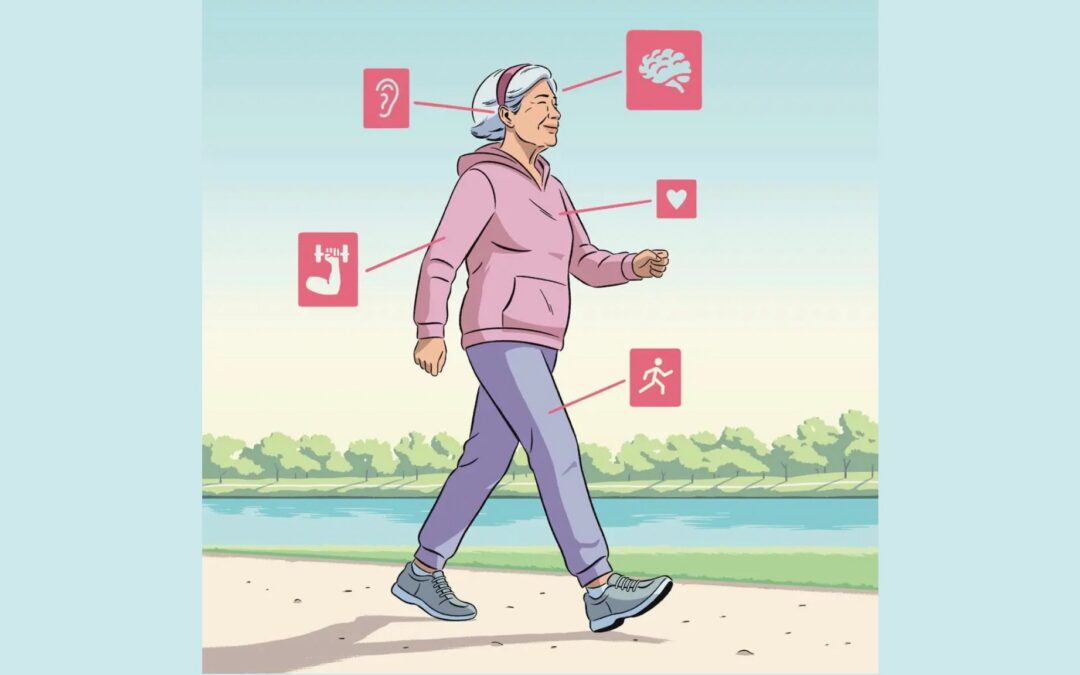
Intrinsic Capacity: The Most Important Longevity Term You’ve Probably Never Heard Of
Intrinsic Capacity is a new term experts are hoping to use to determine a person’s overall health in an effort to implement interventions for a longer, healthier, and happier life. Intrinsic Capacity is measured in five different key areas including cognition, locomotion, sensory capacity, psychological well-being, and vitality. Several studies are being implemented across the US to learn more on how to improve the accuracy of this metric and use it, eventually, for all ages.

LADA: Why So Many Adults Are Misdiagnosed With Type 2 Diabetes
A YouTube discussion from Taking Care of Your Diabetes (TCOYD) on why 4 in 10 people who are diagnosed with Latent Autoimmune Diabetes in Adults (LADA) are told they have Type 2 Diabetes first and the impact of this misdiagnosis on their health and progress.