


When I’m 64
By Barb G., T1D for 22 years
There’s not a day in the life of a T1 PWD (Person with Type 1 Diabetes) that isn’t utterly terrifying, if you let yourself think about it. What if your phone runs out of power? What if you dare to leave the house without backup pump supplies, insulin, sugar sources, or an old-fashioned Glucose Monitor? What if you get an urgent low in the middle of a meeting? Or stay high too long because you didn’t properly dose for that dessert you shouldn’t have eaten in the first place?
Most days you make hundreds of small decisions and review hundreds of data points, burying the fear in the practicalities of daily life.
But that really terrifying thing you never let yourself think about is growing old. Everyone buries this fear, of course. But as a T1 PWD, if you do let your mind wander in this direction, there’s some truly horrible places it can visit. The world has barely begun to effectively deal with the fact that the general population is living so much longer and requires so much more care than ever before. But when you add the T1D factor, the special care needs are astonishing!
Think of all the work you do to keep yourself safe and alive every day that only you understand. All the tracking of medications and supplies, the changing of pumps and CGMs, the dosing of insulin, the new-fangled automated delivery systems. Once again, hundreds of small decisions. Hundreds of data points.
And now suppose that because of all the great work you did all your life and because of the cool new tech that you use to support your health, you live well into your 80s or even your 90s. What good will that do you if on your second day in assisted living, when you can no longer do all this for yourself, you suffer terrible consequences because you didn’t receive a proper dose of insulin? Yikes!
Today there isn’t an awareness of this set of challenges specific to our community. Medical professionals are only beginning to look at them. Current regulations and guidelines are outdated. Caregivers are not trained.
That’s the space that we are stepping into in the T1Dto100 working group. We live successfully today with T1D and want to see that all of us in this special (and pretty amazing!) community are well cared for in our long lives ahead.
For me, there’s time to see these things improved and resolved. After all, I’m not quite old yet! But for others the clock is ticking and we at T1Dto100 are getting to work!
We’d love your thoughts and suggestions, as you read this post. What resonates with you? What else would you like to know?
Please remember to read through the other topics for useful tools and discussions of issues that are facing us as we age with T1D.
2 Comments
Submit a Comment
Recent Stories

Choosing Your 2027 Medicare Plan: An Open Enrollment Guide for People with Type 1 Diabetes
We have created this guide on how to choose your 2027 medicare plan including important dates, commons mistakes, and a checklist of things to do. There are also special insights on what you need to keep in mind, programs that could be helpful, and changes from the previous year. Read the full article for everything you need to know!
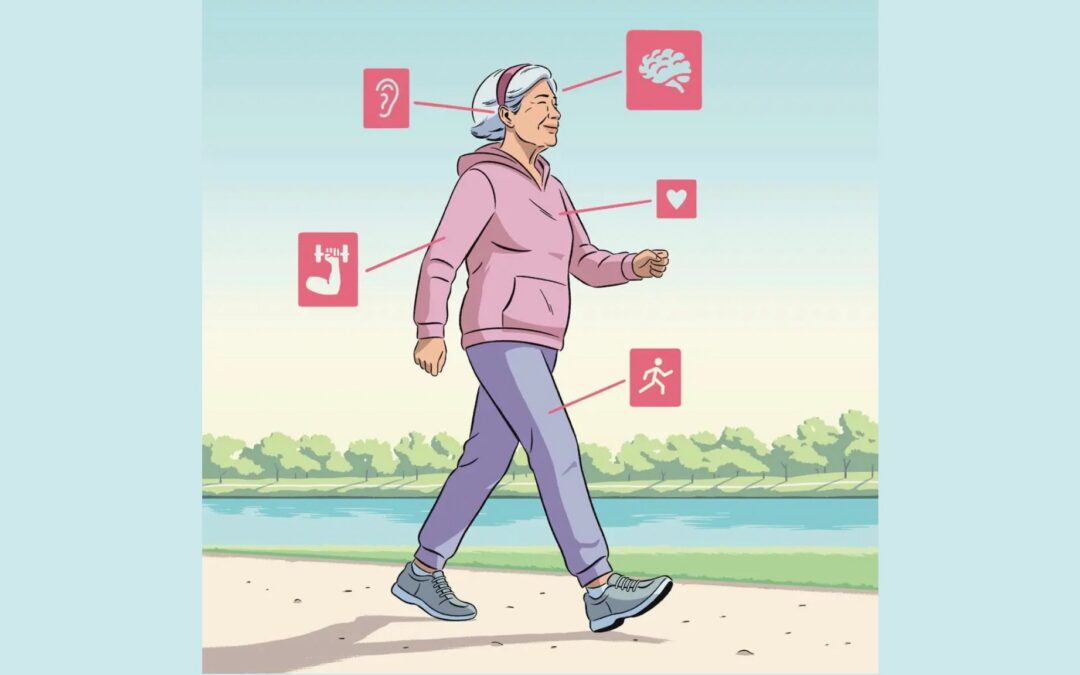
Intrinsic Capacity: The Most Important Longevity Term You’ve Probably Never Heard Of
Intrinsic Capacity is a new term experts are hoping to use to determine a person’s overall health in an effort to implement interventions for a longer, healthier, and happier life. Intrinsic Capacity is measured in five different key areas including cognition, locomotion, sensory capacity, psychological well-being, and vitality. Several studies are being implemented across the US to learn more on how to improve the accuracy of this metric and use it, eventually, for all ages.
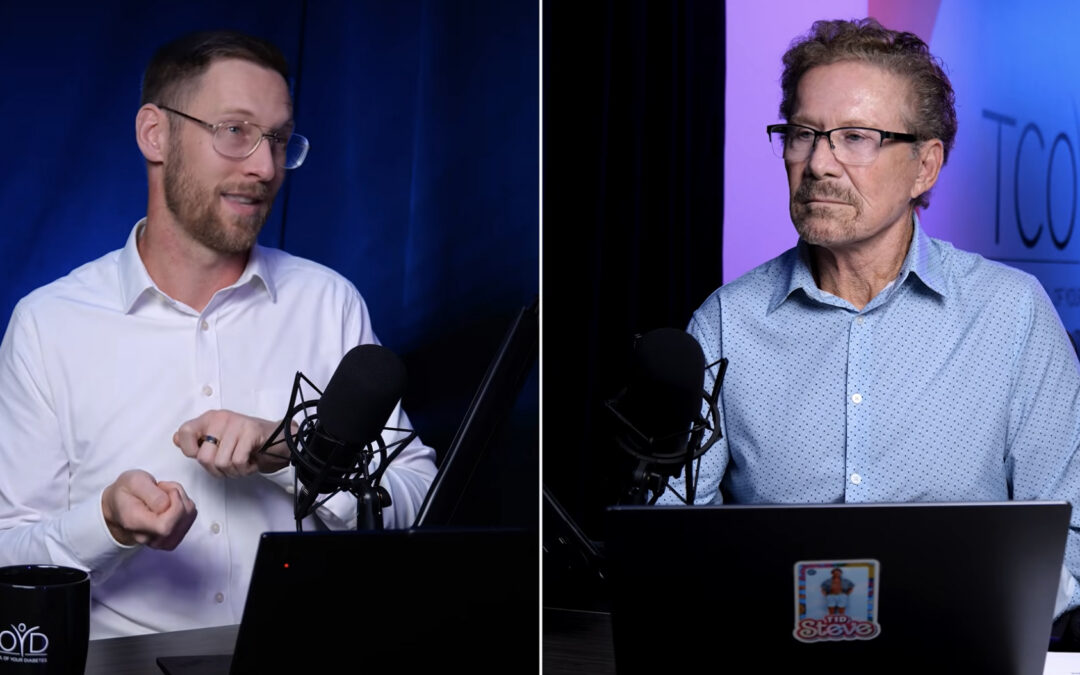
LADA: Why So Many Adults Are Misdiagnosed With Type 2 Diabetes
A YouTube discussion from Taking Care of Your Diabetes (TCOYD) on why 4 in 10 people who are diagnosed with Latent Autoimmune Diabetes in Adults (LADA) are told they have Type 2 Diabetes first and the impact of this misdiagnosis on their health and progress.
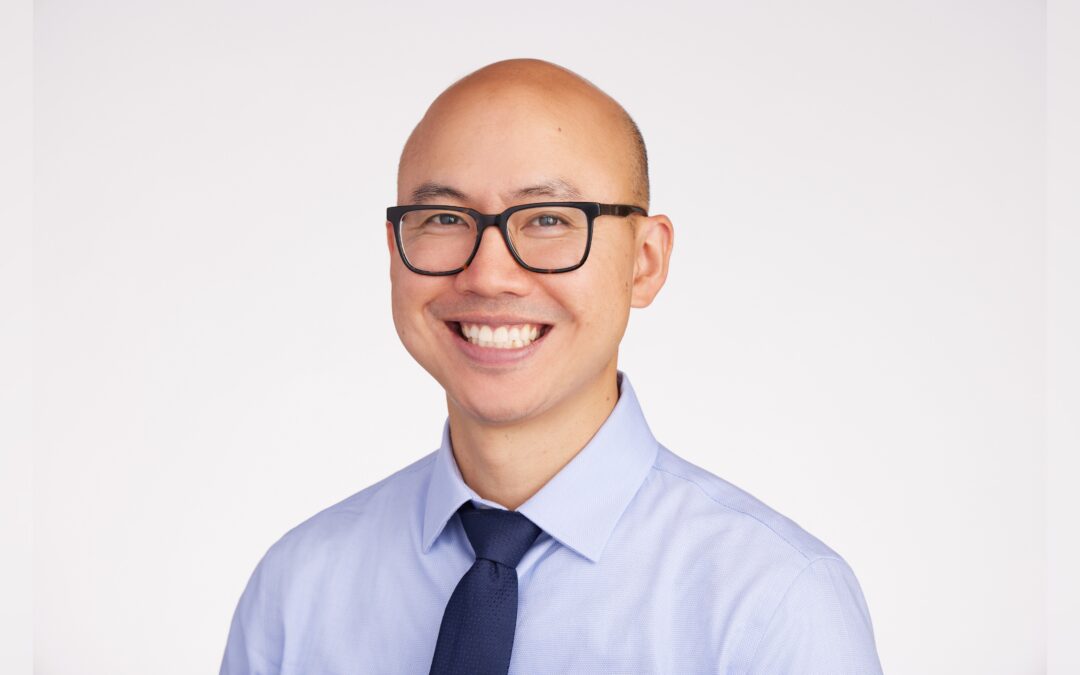
Interview – An Endo’s View: From the Other Side of the Examination Table
I conducted the interview below with my own endocrinologist Dr. David Lam. Our first visit lasted 90 minutes. We talked about diabetes only the last half hour. Lam is smart, tech savvy and responsive. As you might have guessed he is also compassionate, prizes partnership, and sees me as a person, not merely a condition. My husband was impressed when Dr. Lam stayed in text-touch with me, switching me from Lantus to Tresiba, over a weekend. I wanted to understand how he sees our challenges aging with type 1 diabetes and the ones he faces every day working within our industrialized health care system. He didn’t hesitate when I asked for this interview, so here’s an endocrinologist’s view from the other side of the examination table.
The New Science of Brain Workouts, Beyond Sudoku and Crosswords
Forget holding hands—new research reveals a surprising twist in how two people can become a dynamic duo against sudden loss of balance. A recent study, published in the Journal of the Royal Society Interface, demonstrates that when two individuals walk side by side, a rigid link between them dramatically accelerates balance recovery after unexpected slips.
This post is spot on with the thoughts on my mind these days! I turned 64 in June, planning for medicare changes on the horizon. Resonating with me are the thoughts of what’s after that, 10, 20, years from now, putting my diabetes control in another’s hand. Should i be thankful someone is there to care for me and so what if my control is not as tight as i have it now? Are my worries no more than what any aging senior has with other health issues that may not be as well managed in another’s care? What can i do now to make these upcoming changes easier? Maybe there will be facilities that have T1D trained caregivers that get it….lol, we hardly have enough Endo’s that really get it!
Thank so much Patricia! We feel that too!