

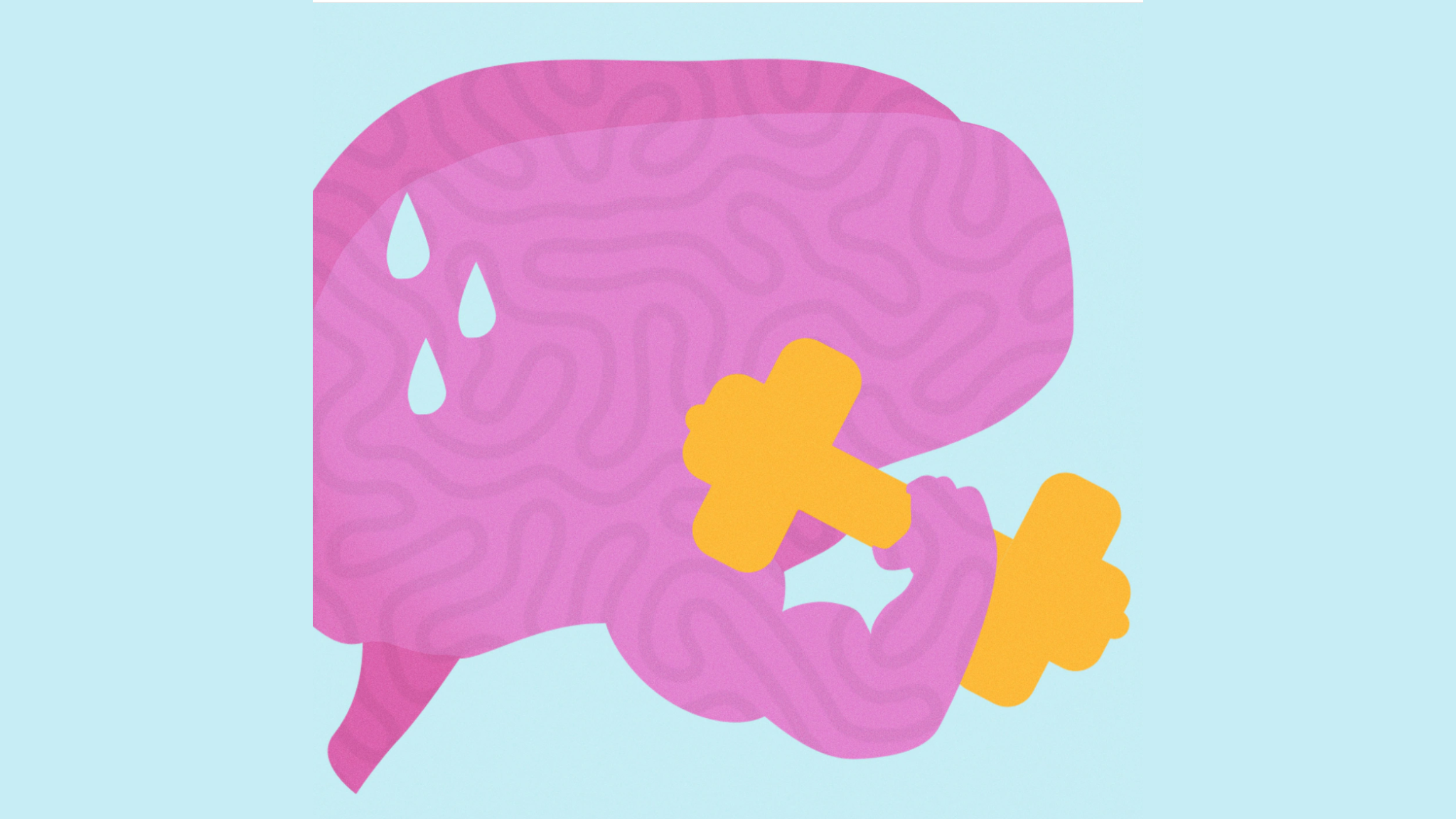
The New Science of Brain Workouts, Beyond Sudoku and Crosswords
By Ariana Eunjung Cha
WashingtonPost.com
6 August 2026
Emerging evidence suggests that only certain types of training produce meaningful benefits, and those benefits may differ between men and women.
Recently, neuroscience has identified a growing list of “brain fitness” activities that appear to help the brain: learning a language, playing music, walking, mastering a new skill.
A number of studies published over the past year have approached the question from different angles, all of which point in the same direction: Cognitive training may produce broader, measurable changes in the brain.
The field buzzed with excitement at the Alzheimer’s Association International Conference in July, where researchers presented new findings from the largest clinical trial investigating whether computerized brain-training exercises can reduce the risk of cognitive decline with age.
The trial, funded by more than $50 million from the National Institutes of Health, reflects growing interest in an intervention that is inexpensive, scalable and accessible to almost anyone with a computer or tablet.
Researchers have evaluated a wide array of measures, such as blood biomarkers, neuroimaging findings and assessments of memory, everyday functioning, quality of life and, ultimately, the onset of dementia.
Sandra Bond Chapman, a professor of behavioral and brain sciences and founder and chief director of the Center for BrainHealth at the University of Texas at Dallas, is helping lead an effort to create a more comprehensive metric. Her team’s BrainHealth Index combines measures of executive function, emotional well-being and social connectedness into a single score designed to track how an individual’s brain changes over time.
The surprise came when the blood tests were analyzed. Only the speed-training group showed favorable changes in Alzheimer’s-related biomarkers.
The finding led researchers to a part of the brain that rarely enters public conversation: the cholinergic system, a network of cells that supports attention, learning and memory. The system naturally declines with age — about 2.5 percent per decade — but deteriorates much more rapidly in Alzheimer’s disease.
“Our theory is that speed-processing exercises stimulate the cholinergic system in a way that influences biological pathways involving tau and amyloid,” Hye Won Chai, the study’s lead author and a research assistant professor at Clemson University, said.
The idea is consistent with findings from the McGill University study published in the peer-reviewed journal JMIR Serious Games that also showed training benefited the cholinergic system.
To read the original article (which may require a subscription):
The new science of brain workouts, beyond Sudoku and crosswords
Recent Stories & News

Choosing Your 2027 Medicare Plan: An Open Enrollment Guide for People with Type 1 Diabetes
We have created this guide on how to choose your 2027 medicare plan including important dates, commons mistakes, and a checklist of things to do. There are also special insights on what you need to keep in mind, programs that could be helpful, and changes from the previous year. Read the full article for everything you need to know!
Intrinsic Capacity: The Most Important Longevity Term You’ve Probably Never Heard Of
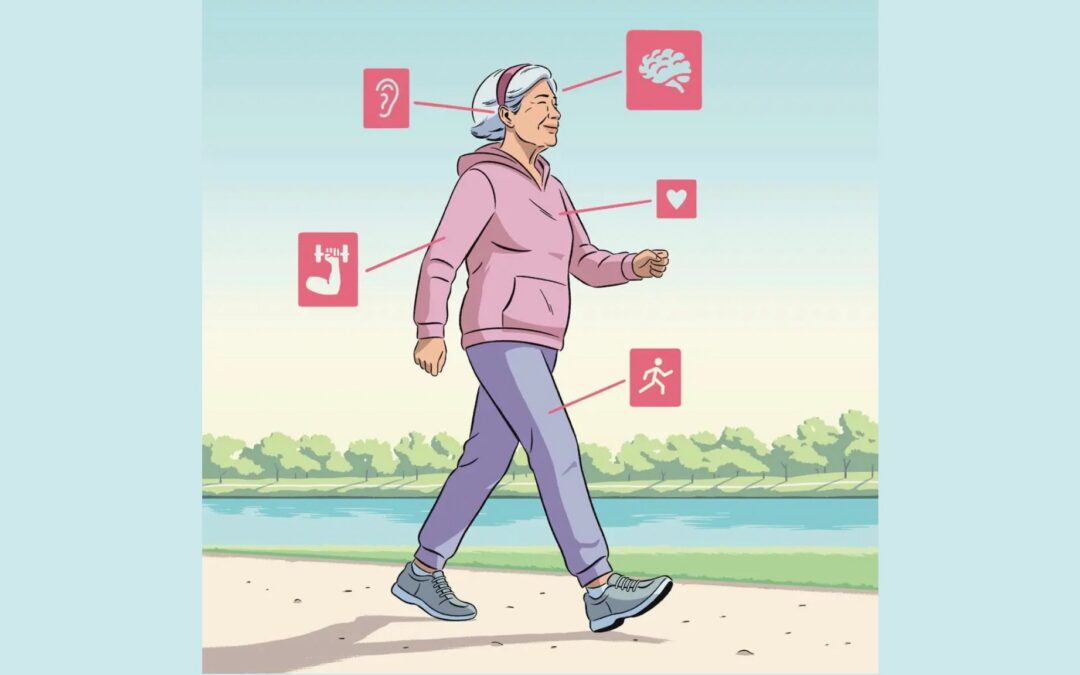
Intrinsic Capacity is a new term experts are hoping to use to determine a person’s overall health in an effort to implement interventions for a longer, healthier, and happier life. Intrinsic Capacity is measured in five different key areas including cognition, locomotion, sensory capacity, psychological well-being, and vitality. Several studies are being implemented across the US to learn more on how to improve the accuracy of this metric and use it, eventually, for all ages.

LADA: Why So Many Adults Are Misdiagnosed With Type 2 Diabetes
A YouTube discussion from Taking Care of Your Diabetes (TCOYD) on why 4 in 10 people who are diagnosed with Latent Autoimmune Diabetes in Adults (LADA) are told they have Type 2 Diabetes first and the impact of this misdiagnosis on their health and progress.

Interview – An Endo’s View: From the Other Side of the Examination Table
I conducted the interview below with my own endocrinologist Dr. David Lam. Our first visit lasted 90 minutes. We talked about diabetes only the last half hour. Lam is smart, tech savvy and responsive. As you might have guessed he is also compassionate, prizes partnership, and sees me as a person, not merely a condition. My husband was impressed when Dr. Lam stayed in text-touch with me, switching me from Lantus to Tresiba, over a weekend. I wanted to understand how he sees our challenges aging with type 1 diabetes and the ones he faces every day working within our industrialized health care system. He didn’t hesitate when I asked for this interview, so here’s an endocrinologist’s view from the other side of the examination table.

Why Just Sharing a Stick While Walking Can Significantly Improve Balance
Forget holding hands—new research reveals a surprising twist in how two people can become a dynamic duo against sudden loss of balance. A recent study, published in the Journal of the Royal Society Interface, demonstrates that when two individuals walk side by side, a rigid link between them dramatically accelerates balance recovery after unexpected slips.
0 Comments