
Interview – An Endo’s View: From the Other Side of the Examination Table
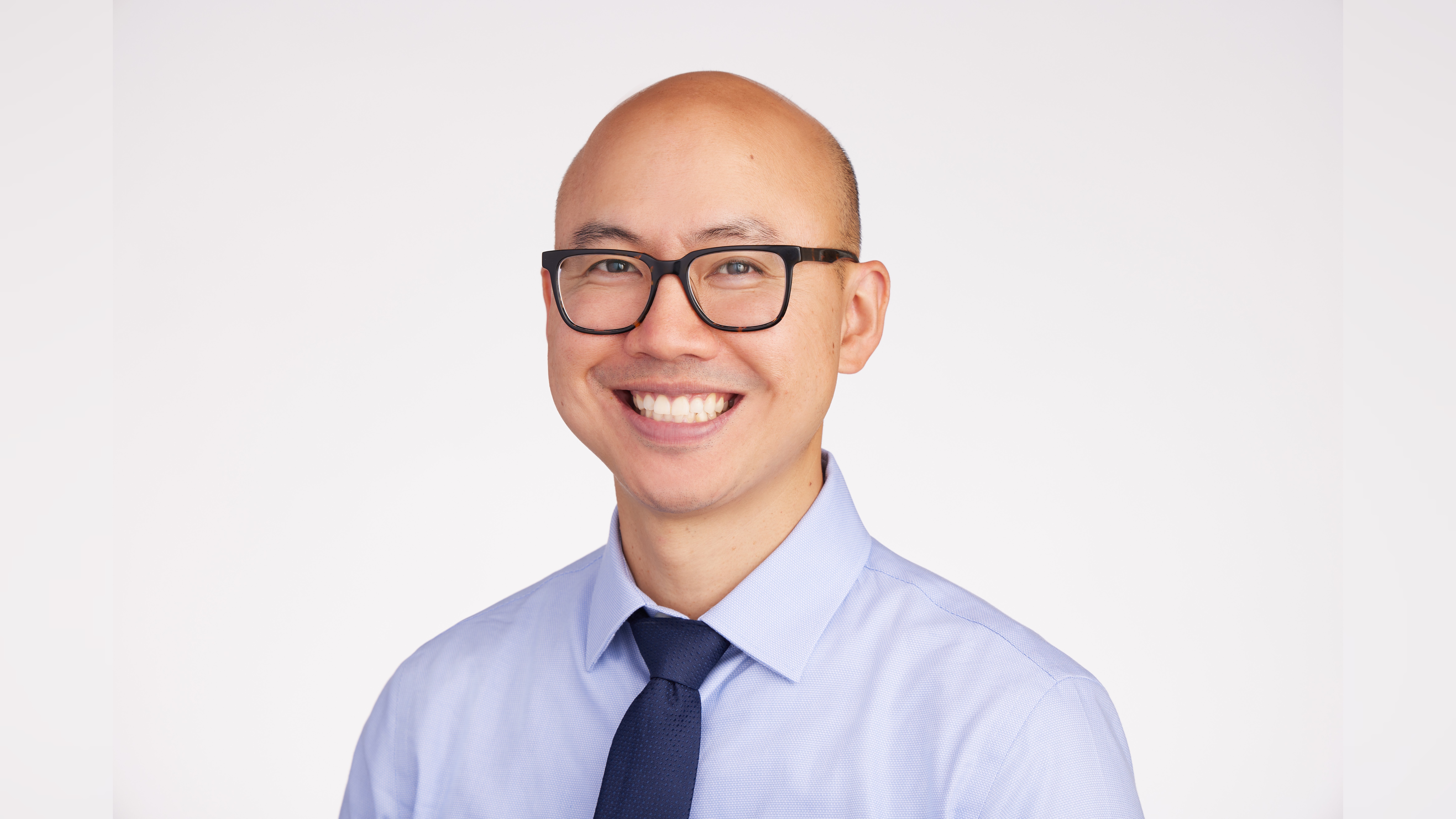
David W. Lam, MD, Endocrinologist at the Mount Sinai Health System, New York, NY, 16 years in practice (Medical Director for the Clinical Diabetes Institute for the Mount Sinai Health System, Associate Professor of Medicine at the Icahn School of Medicine at Mount Sinai).
Interviewed for T1Dto100.com by riva greenberg, posted August 13th, 2026.
I conducted the interview below with my own endocrinologist Dr. David Lam. Our first visit lasted 90 minutes. We talked about diabetes only the last half hour. Lam is smart, tech savvy and responsive. As you might have guessed he is also compassionate, prizes partnership, and sees me as a person, not merely a condition. My husband was impressed when Dr. Lam stayed in text-touch with me, switching me from Lantus to Tresiba, over a weekend. I wanted to understand how he sees our challenges aging with type 1 diabetes and the ones he faces every day working within our industrialized health care system. He didn’t hesitate when I asked for this interview, so here’s an endocrinologist’s view from the other side of the examination table.
riva: Let’s start with how you came to be an endocrinologist? I understand you’re a dying breed and the pay isn’t that great either.
Dr. Lam: It was diabetes that drew me in. I had this vision of the type of physician I wanted to be, building relationships, caring for people. I’m certainly not unique in that way. And, I saw how compartmentalized and expensive healthcare was becoming. While I was an intern in residency, doing hospital work, I took an elective. We only got one elective, everything else was mandatory. I thought, you know what? I don’t know a lot about diabetes. I should learn. What I saw really resonated with me and I felt this is the work I want to be doing.
riva: What made you feel that way?
Dr. Lam: I saw you really get to know your patients, their day-to-day lives, and you can use that information to come up with a management plan. Then while working here at Mt. Sinai, I had an opportunity to work under a fellow endocrinologist, Dr. Carol Levy, doing closed loop trials. This was around 2012. We were doing studies while living in a hotel, literally living with our patients and watching them use these devices. It felt visceral, like we were on the brink of something that was going to change our patients’ lives and the way we can help.
It was only five days but it gave me a sliver of a window into the patient perspective. You can say it’s artificial, you’re in a hotel, but for me it was eye-opening. I got a pathway to understand at a deeper level, beyond the textbook, beyond just the office encounter, which is not enough time.
riva: What do you feel is the unique challenge or hardest thing you see for people with type 1?
Dr. Lam: I think it’s this idea that if you control X, Y, and Z you should have absolute success managing your numbers. Like it’s a simple mathematical equation. But you know, you can eat the same thing day to day and you won’t get the same results. It’s a myth we’ve propagated and it makes people feel really down. They think they should be able to do this perfectly after living with diabetes for years, and the reality is no, you’re not a pancreas. You put your best foot forward with the tools that you have, which are really just blunt instruments. In contrast, someone with type 2 has exogenous insulin which helps to buffer their highs and lows.
riva: Yes, thank you for saying that because I’ll die on the hill, “You can’t control your blood sugar!” And, the more tools we get, the more advanced our technology becomes, the more we, and our doctors, think now we have no excuse not to control our numbers. But this dismisses the reality that our bodies are not machines and a zillion things affect blood sugar. I often think we should define type 1 diabetes as a condition of unpredictable blood sugar. That’s the nature of the condition. Then we wouldn’t be held responsible for the impossible.
Dr. Lam: I’ll add to that that social media has made it challenging. I have patients who show me a post where someone’s uploaded their CGM tracing and they say to me, “How do I get that flat line?” It’s anything but a simple equation.
riva: Switching streams, do you see any characteristics, skills, or temperament in your patients who seem to do better? Something that makes them more resilient?
Dr. Lam: I think I’d say self-awareness, and to be able to vocalize what’s going on for you. For example, if there’s fear, understanding what that’s about and being able to talk about it. That can only help in shared decision making and creating a workable and realistic treatment plan.
Since I didn’t diagnose most of my patients, the characteristics you’re asking about may have played a big role when they were diagnosed, and how things were communicated to them. And this gets us into aging with type 1. For instance, we talked about type 1 very differently in 1970, 1980, 2005 than we do today. Medicine was different, the approach was different, expected outcomes were different, the understanding of a relationship was different. I see in some of my patients that the circumstances of their diagnosis impacted how they thought, and still think, about their medical condition, and perhaps will think about it for the rest of their life. And that drives how they behave and manage things over the years.
riva: You make such a good point. I was diagnosed in 1972. I was eighteen. I was told I couldn’t have children, my lifespan would be 15 years shorter, and there’ll be a cure in five years. I remember I was in the hospital and my parents were there with the doctor, all of them standing over my bed. The doctor was very stern saying all the horrible things that would happen to me. My father yelled at him, “Don’t you realize there’s a person in that bed!?” Then for months every time I closed my eyes to go to sleep I imagined what it would be like to go blind. I was pretty sure that might happen.
Maybe doctors need to do an intervention with their patients. For those of us diagnosed so long ago who got those messages, let them know today’s reality. Today many of us live longer than “normals” because we take care of ourselves. Maybe physicians need to help us with a reboot.
Dr. Lam: Absolutely, I’m with you, and when you figure out how to do that reboot let me know! [Laughs]. It’s hard, though, unlearning beliefs you’ve had for so long. Like my 85-year-old patient who was told if you have one blood sugar over X you’re going to lose your foot. I’m like, “Hey, you made it to 85!” So yes we need to realign expectations and understanding, and maybe it needs to come from all the specialists also, like ophthalmologists and cardiologists.
riva: A few years ago I was presenting at a United Nations side event on cardiology and diabetes. I met a nephrologist there who asked me how long I’d had diabetes. When I told her fifty years, she asked me if I had any trouble with my kidneys. I said “no.” She told me,” then you won’t get kidney disease.” That if I’d made it this long, I wouldn’t get it. I was so relieved. That was a reboot.
Dr. Lam: There’s another part of this where doctors sort of unknowingly can cause patients to think the worst. For example, if I tell a patient they can let their blood sugar be a little higher, I’ve had a patient say, “So you think I’m going to die soon, right?” It’s not that. They may be at risk of falling and all the more if they’re getting severe hypos. That poses an even higher risk for the patient than a slightly increased risk for eye disease.
When you think about it, even our professional guidelines are written about “limited life expectancy.” And we doctors also talk a lot about weighing risks and benefits. I think we need to do a better job explaining this in ways that make sense to our patients.
riva: That brings me to, what don’t we know about what it’s like on your side of the examining table?
Dr. Lam: I’m sure many know this, but there are just incredible pressures clinicians are under today. And it’s not about the money. Well, not about having a ski home in the Alps! It’s about money to keep the lights on, to keep our nurses employed, our staff hired. The expansive nature of what’s needed today just to get someone a medication. Like when my patients need prior authorization, that’s not a big thing, but multiply that by hundreds of patients. It’s such a time sink.
Each cut that happens, whether from Medicare or payers, decreases our ability to do what we became clinicians to do. Patients experience it when their insurance changes their Humalog to Novolog. Sometimes I think given the system level pressures, barriers, and limitations we’re under, it translates into thinking someone is a bad doctor. And that’s really demoralizing. Physician burn out is at an all time high right now. And all this has downstream effects on the patient, including disruption in care, delays, gaps, what looks like less care than they should be getting.
There’s also how delivering care has evolved, or devolved. We do everything now online, over a portal. It requires being tech savvy and not just for your devices, but navigating through the healthcare maze. And not just for older adults but even middle aged adults. Just think about how patients get their test results through a portal. For me, there’s such limited time, it’s hard to call patients. So I’m messaging patients at 10 p.m. All of this degrades the patient-physician relationship.
And Silicon Valley is not thinking about older adults when they design their user interface, or how the simple act of moving a button, or moving from one menu to another, can throw people off. Especially older adults who rely increasingly on routine for stability in their lives.
riva: Looking at so many people aging with type 1 today, are there certain things we should be alert for as we age?
Dr. Lam: In some ways it’s hard to separate out type 1 diabetes from general health, but as we age, things any older person should be attentive to may also impact diabetes. Like cardiovascular disease. If someone has a coronary event or develops heart failure, recommended medications may also influence diabetes management. And of course neurocognitive changes. So you have your “diabetes brain” which takes up a percentage of your thought processes….
riva: Yes, 98.5 percent….
Dr. Lam: Yeah, exactly, then what happens if your memory becomes compromised and you think, did I take my insulin? Also cognitive decline affects doing complex calculations, like with carbohydrate ratios and insulin. These changes come on gradually and they’re subtle. It’s not like you wake up one day and everything’s changed. The best we probably have are screening tools that give us objective measures to see if something’s changing.
And I think it’s not your endo, but primary care docs and geriatricians who are best able to track these types of changes and advise on medications that can delay the progression of cognitive decline. But, after that, the most critical part is that your primary care physician and your endo communicate and everyone involved in your care knows what is going on.
riva: So what’s your best advice on what we can do?
Dr. Lam: Much of the solution depends on one’s support network. The irony of course is as we age our social networks shrink. But the family system, if it’s there, is central to making a plan for, and around, the patient. Then friends that you can enlist to help. Technology can help and not just CGMs and pumps, even just smart pens that record dosing. Or it might be switching to a longer-acting insulin that’s a little less time dependent if say your sleeping has changed. And, just like you’re bringing up this conversation directly to me, I would hope patients feel they can bring their concerns up to their care providers. We dance around things a lot in medicine and often don’t talk about what’s really important.
riva: Do you have any elderly patients facing cognitive challenges?
Dr. Lam: Yes, I have a patient who is around 84 years old facing some cognitive issues. The difficulty is loss of awareness and it can become contentious. You hear, “What do you mean I didn’t take my insulin? Of course I did. I’ve been living with diabetes for X years, I know I should be taking 3 units!” That situation is tough for everyone. For this particular patient, we’re starting her on an insulin pump. I know, it sounds crazy, but she doesn’t mind something stuck on her body and she has a lot of support at home. With a pump, at least she can get consistent basal into her body, and we can remotely bolus if need be.
riva: That’s a great example because you wouldn’t normally think putting an elderly person with cognitive issues on a pump is a viable solution. Another issue at T1Dto100 is how can we protect ourselves if we end up in assisted living residences, nursing homes, hospitals? And, is there a point at which you get involved if, let’s say, I end up in the hospital and I’m perfectly capable, but they won’t let me manage my diabetes?
Dr. Lam: Absolutely, and you know this goes beyond the aging issue, right? Like how do I also protect my 40-year-old patient who ends up in the hospital or rehab? The vast majority of hospitals have an endocrinologist on staff. That said, not all endos specialize in diabetes or are familiar with the technology. Also, since at the medical professional level there’s a massive gap in understanding diabetes management, it’s certainly possible you may end up in a situation where you’re not being given the freedom to manage your condition yourself, and if you’re capable, that should never be.
It’s a good idea to let your endo know you’re in the hospital from day one. And, if the facility’s endo isn’t cooperating with you, ask if they will call and talk to your endo. Chances are they may be willing to do this, because you know, then it’s endo to endo. Now if you’re in another state or a hospital I am not affiliated with, I have no privileges there, but if they call me, at least they get a sense I’m not just playing a doctor on TV. They may be more willing to hear about you from me.
I can share your care, what we’ve tried and important things to consider. So anyone reading this should know they can get their endo involved. I’ve had great conversations with endos at other institutions and I’m always happy to fax pump settings, regimens, whatever they need.
riva: Are clinicians becoming aware that those of us aging with type 1 form a new category and may need certain types of care they hadn’t needed to deliver before? How are they addressing this?
Dr. Lam: I think so. I mentioned earlier how we approach type 1 has changed decade to decade. It reflects an evolution in science, but also an evolution in how we treat a medical condition and in the physician-patient relationship. In seeing the interplay of medical conditions and how the treatment of one affects another, we have to look at the whole person. That means thinking about the medicine of aging and how the needs of a patient change as they age.
Addressing this comes in multiple methods – a growing arm of research that includes older adults, raising awareness to clinicians and patients, using multi-disciplinary care teams so there are more patient touch points in care, advocacy work, even interviews like this to make patients feel empowered to bring issues up to their physician!
riva: What do you think is coming in the next five to ten years?
Dr. Lam: In the short term I’m excited for better algorithms for pumps, so ways in which we can rely less on manual input. And they’ll have more prediction, mostly due to machine learning and AI. Also, people with type 1 will have more access to non-insulin therapies, like many of the drugs now used with type 2s. What’s handcuffing us right now is insurance and cost. But as the body of evidence grows these will come within the wheelhouse of treating physicians.
riva: My last question, what keeps you resilient so that you can keep doing this work with such humanity?
Dr. Lam: It’s my patients. The wins, big and small alike, and the gratitude I feel from my patients. It makes it all worth it.
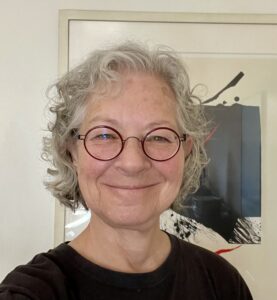
riva greenberg is the author of three books, hundreds of articles and the long-running blog, Diabetes Stories. She’s globally recognized for her Flourishing Approach, was an “A1C Champion” peer-mentor, and has lived successfully with type 1 diabetes for 54 years.
Recent Stories & News

Choosing Your 2027 Medicare Plan: An Open Enrollment Guide for People with Type 1 Diabetes
We have created this guide on how to choose your 2027 medicare plan including important dates, commons mistakes, and a checklist of things to do. There are also special insights on what you need to keep in mind, programs that could be helpful, and changes from the previous year. Read the full article for everything you need to know!
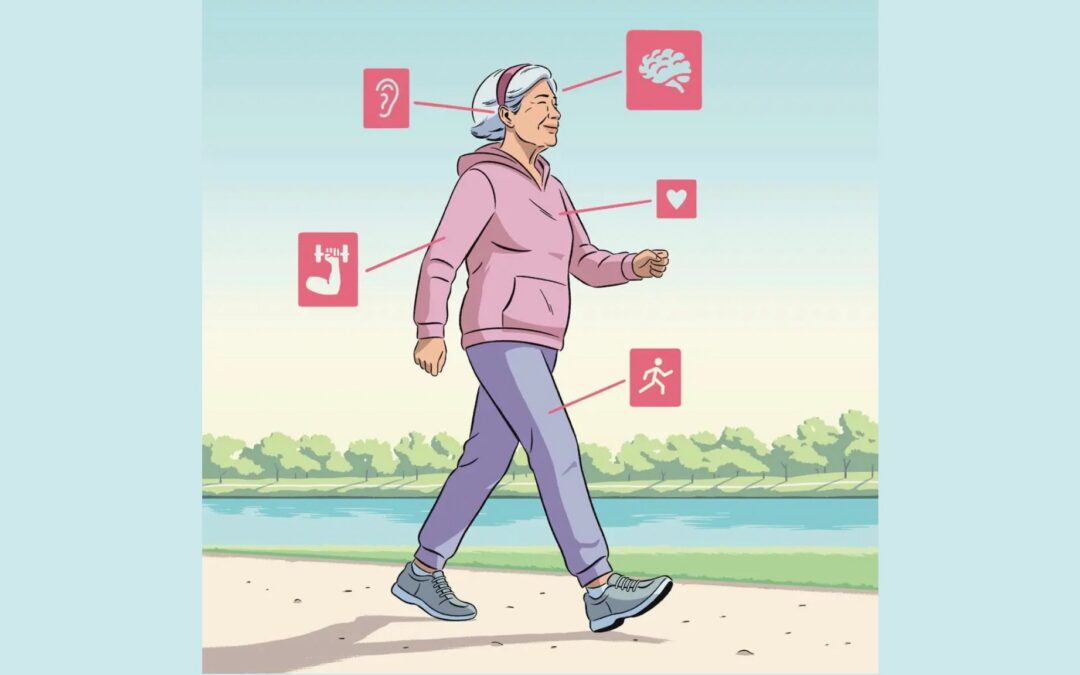
Intrinsic Capacity: The Most Important Longevity Term You’ve Probably Never Heard Of
Intrinsic Capacity is a new term experts are hoping to use to determine a person’s overall health in an effort to implement interventions for a longer, healthier, and happier life. Intrinsic Capacity is measured in five different key areas including cognition, locomotion, sensory capacity, psychological well-being, and vitality. Several studies are being implemented across the US to learn more on how to improve the accuracy of this metric and use it, eventually, for all ages.
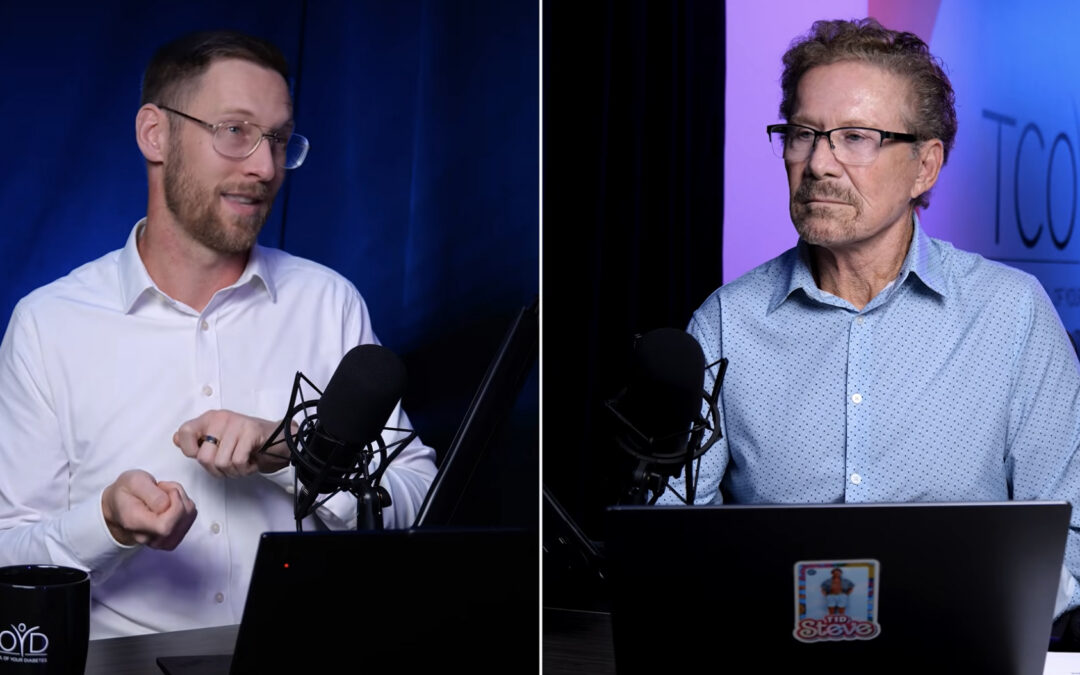
LADA: Why So Many Adults Are Misdiagnosed With Type 2 Diabetes
A YouTube discussion from Taking Care of Your Diabetes (TCOYD) on why 4 in 10 people who are diagnosed with Latent Autoimmune Diabetes in Adults (LADA) are told they have Type 2 Diabetes first and the impact of this misdiagnosis on their health and progress.
The New Science of Brain Workouts, Beyond Sudoku and Crosswords
Forget holding hands—new research reveals a surprising twist in how two people can become a dynamic duo against sudden loss of balance. A recent study, published in the Journal of the Royal Society Interface, demonstrates that when two individuals walk side by side, a rigid link between them dramatically accelerates balance recovery after unexpected slips.
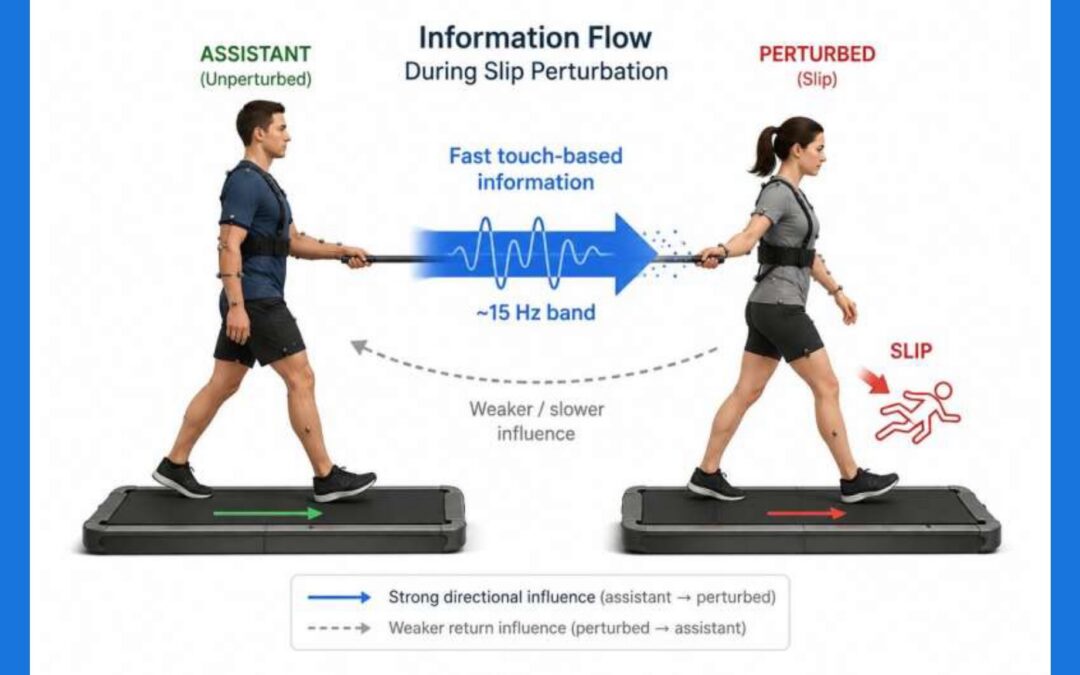
Why Just Sharing a Stick While Walking Can Significantly Improve Balance
Forget holding hands—new research reveals a surprising twist in how two people can become a dynamic duo against sudden loss of balance. A recent study, published in the Journal of the Royal Society Interface, demonstrates that when two individuals walk side by side, a rigid link between them dramatically accelerates balance recovery after unexpected slips.
0 Comments