
Intrinsic Capacity: The Most Important Longevity Term You’ve Probably Never Heard Of
by Dana G. Smith from the New York Times, August 26th, 2026 (Image by Madison Ketcham)
Excerpted by Pallavi Gunalan, Aug 30th, 2026
Dr. John Beard, professor of productive aging at the Columbia University Mailman School of Public Health defines this new term as the following: “‘Intrinsic’ means all those attributes that you can attribute to the individual from the skin in,” he said. “And ‘capacity’ is looking at their functioning.”
Experts are hoping intrinsic capacity will be the ruler against which therapeutics and medication are measured.
The term was first formally definited in 2015 by the World Health Organization (WHO) as part of their healthy aging initiative in an effort to move health care professionals towards focusing on aging adults’ functional abilities rather than their diseases.
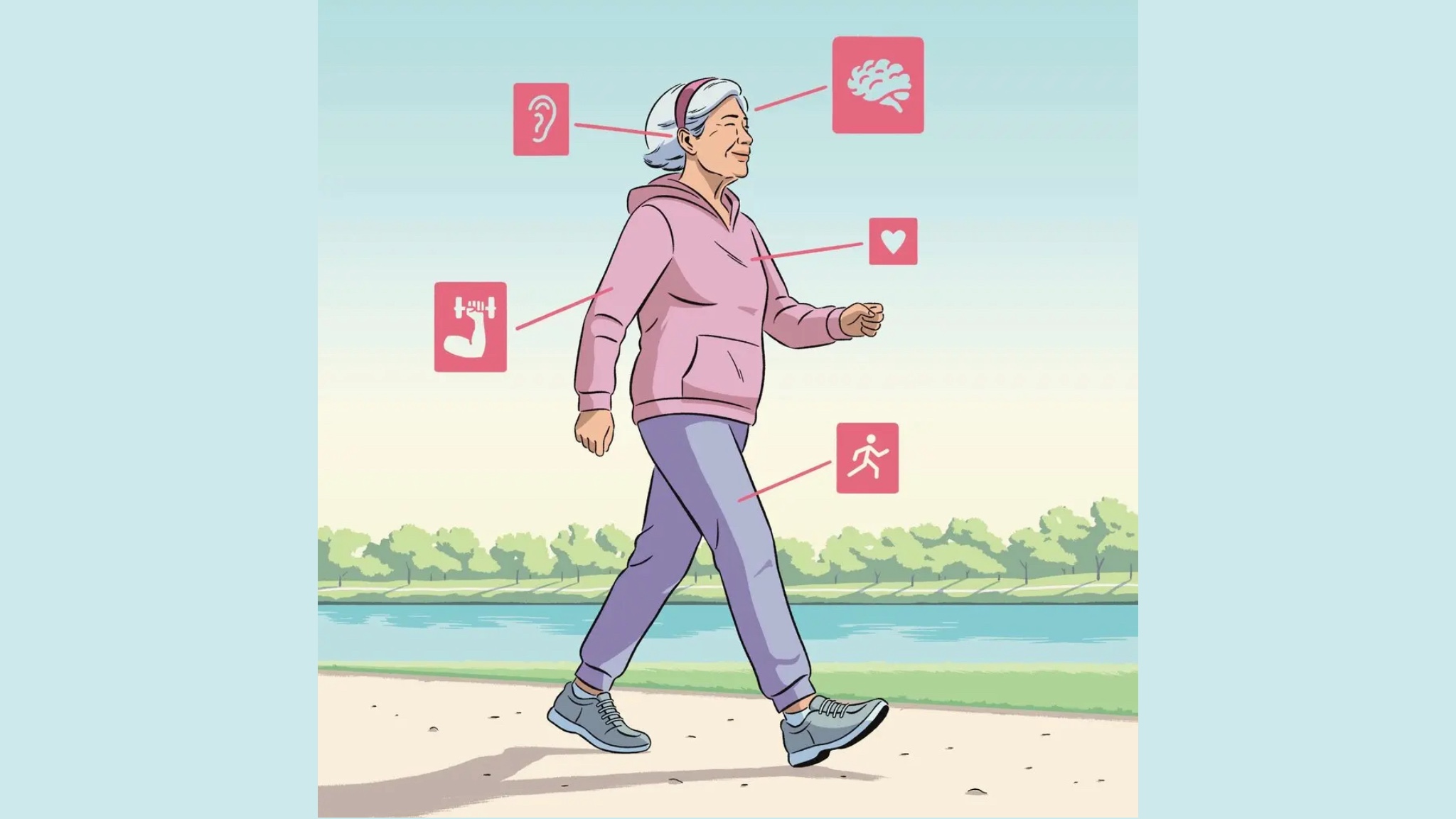
The score is a composite of five different areas: cognition, locomotion (strength and mobility), sensory capacity (vision and hearing), psychological well-being and vitality (overall energy levels and resilience to physical stressors). Some of these tests are already used to evaluate health in older adults, including grip strength and walking speed.
Changes in capacity are key to determining interventions for a better quality and long-term life, experts say. Currently this measure applies best to aging adults as younger, healthier people get perfect or almost-perfect scores, but experts are trying to determine metrics that could be useful at every age.
Intrinsic capacity is currently being studied in multiple clinical trials across the US and research is still preliminary. There are not any pharmaceuticals to improve this metric for a variety of reasons, including longevity of required tests to determine changes in lifespan outcomes. And the FDA doesn’t consider aging a disease, so they don’t regulate drugs that impact the aging process in this way. There is some progress, however. In 2022, the WHO added “aging associated decline in intrinsic capacity” to its 11th edition of the International Classificaiton of Diseases list, even though most countries (including the US) use a previous iteration of that list.
The Advanced Research Projects Agency for Health (ARPA-H) is trying to determine if someone’s intrinsic capacity corresponds to how they feel or function or their lifespan, and if it’s possible to improve a person’s intrinsic capacity with interventions like exercise, or drugs currently available that may contribute to a longevity benefit (such as GLP-1s). As Dr. Andrew Brack, who is leading the ARPA-H program says, “We have to be clear, we don’t know if this will work…we’re scientists; we have to do the experiment.”
Recent Stories & News
Choosing Your 2027 Medicare Plan: An Open Enrollment Guide for People with Type 1 Diabetes
We have created this guide on how to choose your 2027 medicare plan including important dates, commons mistakes, and a checklist of things to do. There are also special insights on what you need to keep in mind, programs that could be helpful, and changes from the previous year. Read the full article for everything you need to know!

LADA: Why So Many Adults Are Misdiagnosed With Type 2 Diabetes
A YouTube discussion from Taking Care of Your Diabetes (TCOYD) on why 4 in 10 people who are diagnosed with Latent Autoimmune Diabetes in Adults (LADA) are told they have Type 2 Diabetes first and the impact of this misdiagnosis on their health and progress.

Interview – An Endo’s View: From the Other Side of the Examination Table
I conducted the interview below with my own endocrinologist Dr. David Lam. Our first visit lasted 90 minutes. We talked about diabetes only the last half hour. Lam is smart, tech savvy and responsive. As you might have guessed he is also compassionate, prizes partnership, and sees me as a person, not merely a condition. My husband was impressed when Dr. Lam stayed in text-touch with me, switching me from Lantus to Tresiba, over a weekend. I wanted to understand how he sees our challenges aging with type 1 diabetes and the ones he faces every day working within our industrialized health care system. He didn’t hesitate when I asked for this interview, so here’s an endocrinologist’s view from the other side of the examination table.
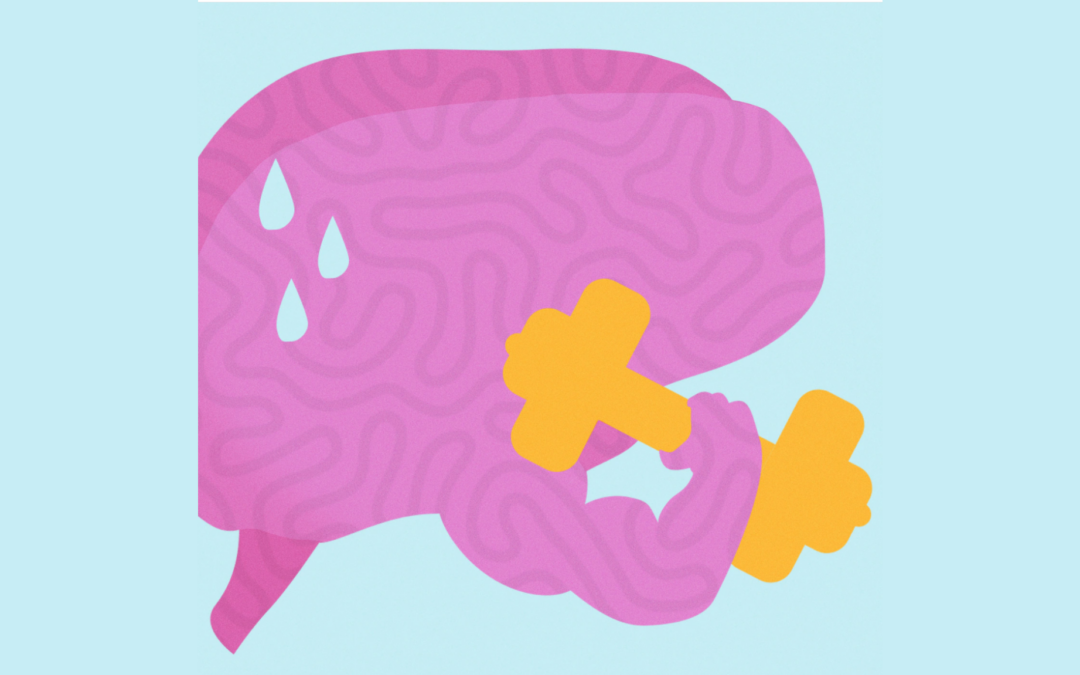
The New Science of Brain Workouts, Beyond Sudoku and Crosswords
Forget holding hands—new research reveals a surprising twist in how two people can become a dynamic duo against sudden loss of balance. A recent study, published in the Journal of the Royal Society Interface, demonstrates that when two individuals walk side by side, a rigid link between them dramatically accelerates balance recovery after unexpected slips.
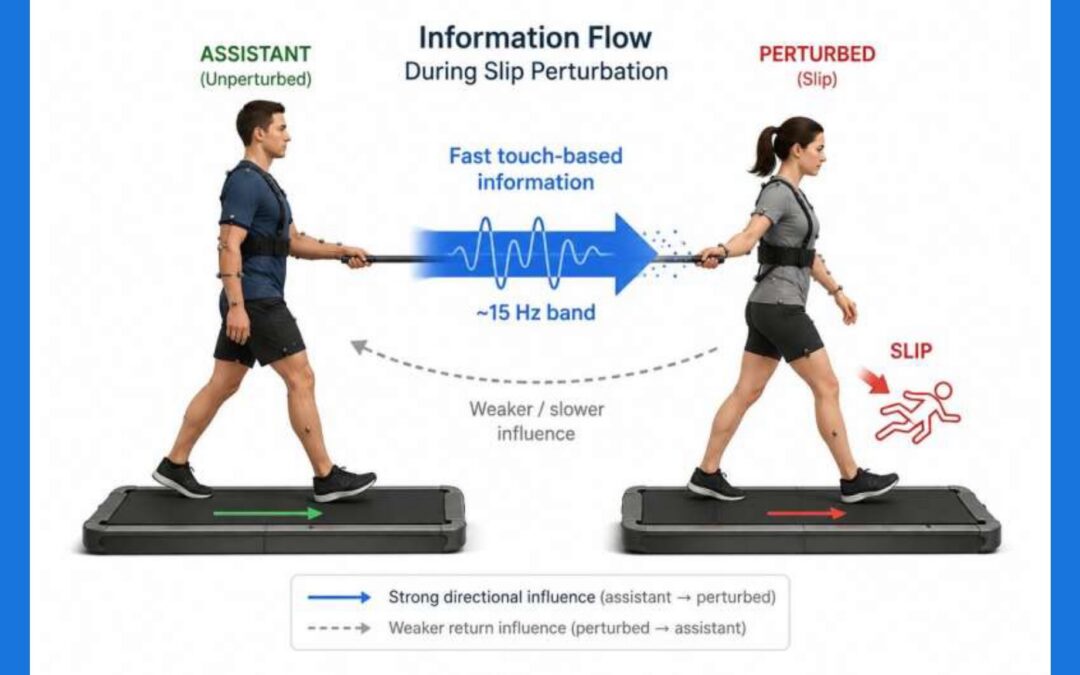
Why Just Sharing a Stick While Walking Can Significantly Improve Balance
Forget holding hands—new research reveals a surprising twist in how two people can become a dynamic duo against sudden loss of balance. A recent study, published in the Journal of the Royal Society Interface, demonstrates that when two individuals walk side by side, a rigid link between them dramatically accelerates balance recovery after unexpected slips.
0 Comments