

The Business of Caring for Older Americans is in a Deepening Crisis
Government funding cuts, a caregiver shortage and immigration limits are layering new strains on an industry already hard-pressed to meet demand: Home health and personal care openings are projected to jump 17 percent from 2024 to 2034, according to data from the U.S. Bureau of Labor Statistics, and home health spending is expected to double, to $317 billion, in 2033.
Costs are fast increasing: Spending on at-home elder care shot up 7 percent from August to September, the largest monthly increase on record, according to government data. Nursing home costs rose 4 percent from September 2024 to September 2025, while home health care surged 12 percent, far exceeding the 3 percent overall rise in inflation during that time.
The U.S. elder care industry is caught between competing forces as demand swells: Many families say they would prefer in-home care but can’t afford it. Yet the industry struggles to attract people willing to take on the intimate, labor-intensive work of caregiving, largely because of the low pay. For a home health or personal care aide, the median salary was $34,900 annually or $16.78 an hour. Nurses and other medically trained staff who also attend to seniors at home earn more.
A spokesperson for the Centers for Medicare and Medicaid Services said the administration “recognizes the concerns regarding access to home health care, particularly in rural and underserved areas,” and the potential for rate cuts to affect providers’ stability and patients’ outcomes. But the agency said the cuts “were implemented in a way that fulfills statutory obligations without jeopardizing beneficiary access.”
THIS is why we advocate! Read the full article: The business of caring for older Americans is in a deepening crisis (access often requires subscription)
4 Comments
Submit a Comment
Recent Stories & News

Choosing Your 2027 Medicare Plan: An Open Enrollment Guide for People with Type 1 Diabetes
We have created this guide on how to choose your 2027 medicare plan including important dates, commons mistakes, and a checklist of things to do. There are also special insights on what you need to keep in mind, programs that could be helpful, and changes from the previous year. Read the full article for everything you need to know!
Intrinsic Capacity: The Most Important Longevity Term You’ve Probably Never Heard Of
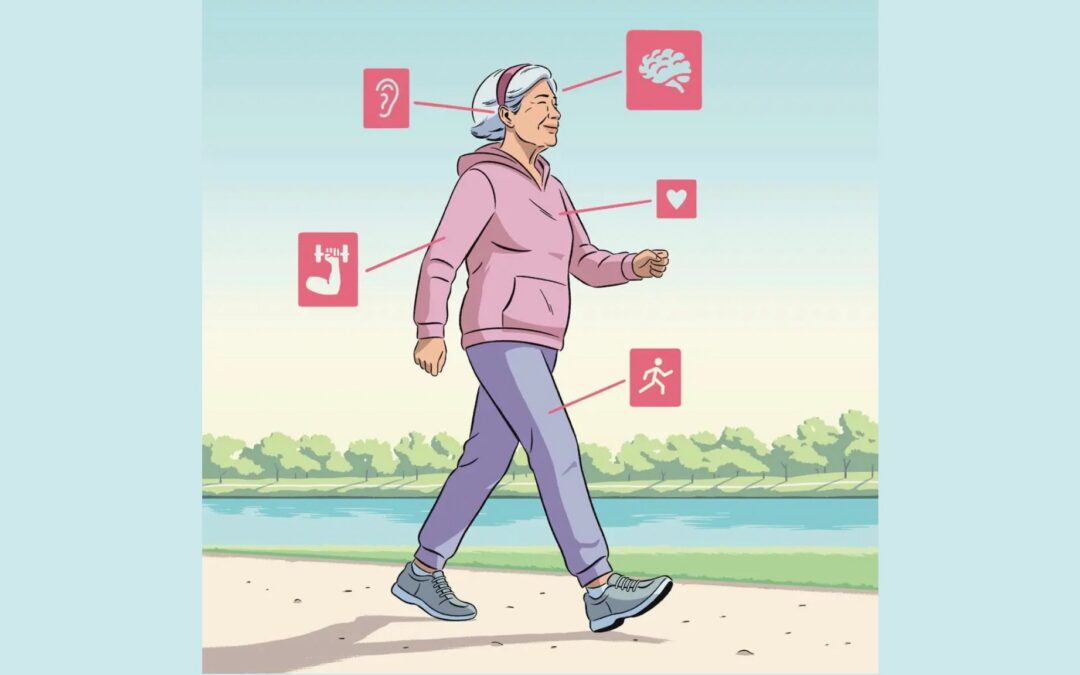
Intrinsic Capacity is a new term experts are hoping to use to determine a person’s overall health in an effort to implement interventions for a longer, healthier, and happier life. Intrinsic Capacity is measured in five different key areas including cognition, locomotion, sensory capacity, psychological well-being, and vitality. Several studies are being implemented across the US to learn more on how to improve the accuracy of this metric and use it, eventually, for all ages.

LADA: Why So Many Adults Are Misdiagnosed With Type 2 Diabetes
A YouTube discussion from Taking Care of Your Diabetes (TCOYD) on why 4 in 10 people who are diagnosed with Latent Autoimmune Diabetes in Adults (LADA) are told they have Type 2 Diabetes first and the impact of this misdiagnosis on their health and progress.

Interview – An Endo’s View: From the Other Side of the Examination Table
I conducted the interview below with my own endocrinologist Dr. David Lam. Our first visit lasted 90 minutes. We talked about diabetes only the last half hour. Lam is smart, tech savvy and responsive. As you might have guessed he is also compassionate, prizes partnership, and sees me as a person, not merely a condition. My husband was impressed when Dr. Lam stayed in text-touch with me, switching me from Lantus to Tresiba, over a weekend. I wanted to understand how he sees our challenges aging with type 1 diabetes and the ones he faces every day working within our industrialized health care system. He didn’t hesitate when I asked for this interview, so here’s an endocrinologist’s view from the other side of the examination table.

The New Science of Brain Workouts, Beyond Sudoku and Crosswords
Forget holding hands—new research reveals a surprising twist in how two people can become a dynamic duo against sudden loss of balance. A recent study, published in the Journal of the Royal Society Interface, demonstrates that when two individuals walk side by side, a rigid link between them dramatically accelerates balance recovery after unexpected slips.
This was helpful, but it’s difficult to find a “nursing home” that has staff to take care of an insulin-dependent T1D. What do you suggest?
My response still holds. We don’t have solutions! But we are all concerned/frightened about how we will be cared for if/when we can’t take care of ourselves. We are working on this topic in our advocacy group, if you are interested in helping us “get loud” about this!
This was helpful, but it’s difficult to find a “nursing home” that has staff to take care of an insulin-dependent T1D. What do you suggest? This question was NEVER submitted by me before
David, I think that is the question on the top of our minds … and we do not have solutions, only suggestions. The difficulty is that 1. there is a shortage of caregivers who have expertise in managing T1D diabetes, 2. Each facility is governed by that state’s laws … and some independent homes are unregulated, as I understand it, 3. Some retirement homes will accept T1Ds but often charge much higher fees and require that the T1D be “self-managed”, Some assisted living and nursing homes either don’t take T1Ds or will want to put those patients on MDI and sliding scale, with meals often delivered way before or way after insulin is given. Bottom line: IT’S A MESS and will not be solved in short term, at all! Our “advice” is to investigate the facilities near where you expect to live, take a tour and ask a lot of questions. Please see our “cheat sheets” and tools on our website: https://t1dto100.com/where-will-you-live/planning-for-the-future