


Aging With Type 1 Diabetes: Success Story Brings Challenges
Excerpts by Pallavi Gunalan
Growing old with type 1 diabetes (T1D) is a relatively new positive phenomenon, thanks in part to more physiologic insulin formations and increasingly sophisticated glucose management technology. Such advances have dramatically reduced acute and chronic complications that historically shortened life expectancy. A recent publication from Breakthrough T1D highlights how dramatically the demographic has shifted, as just 13.3% of the 1.5 million Americans with T1D are children younger than 20 years, while most are between the ages of 45 and 65, and can expect to live much longer. With greater longevity, people with T1D are developing age-related physical and cognitive deficits that can compromise their ability to perform the complex self-management tasks the condition requires. Many lack family support or healthcare professionals trained to step in when necessary.
“This is a population that didn’t exist 30 years ago,” Irl B. Hirsch, MD, professor of medicine and medical director of the Diabetes Care Center at the University of Washington Medical Center in Seattle told Medscape Medical News. “There are no studies assessing blood glucose, blood pressure, or lipid targets, let alone how does cognition change after 60-70 years of T1D.”
Cardiovascular disease and cancer are the leading causes of death in T1D, yet many cardiologists cannot distinguish T1D from type 2 diabetes, Hirsch noted, and may not recognize when sodium-glucose cotransporter 2 inhibitors could be unsafe.
Medha Munshi, MD, director of the Geriatric Diabetes Program at the Joslin Diabetes Center and professor of medicine at Harvard Medical School in Boston, has long been concerned about this gap. “I don’t think people understand how complex it is to manage aging issues with type 1 diabetes,” she told Medscape Medical News. Recognizing the need, Munshi founded the International Geriatric Diabetes Society (IGDS) in 2019. “There is an awareness that you treat children differently, but for 20 years I’ve been trying to tell people that the other end of the spectrum is also different,” she said. “It’s about risk and benefit and time to benefit.” A recently published paper resulting from the 2024 IGDS workshop outlined challenges and opportunities for improving care in older adults with T1D. Priorities included individualized care, leveraging technology, expanding insurance coverage, and developing novel care models incorporating telehealth, home health, interdisciplinary teams, and specialty support within assisted living facilities and long-term care settings.
Munshi says “We really need to change strategies when people begin struggling as they get older. It’s shared decision-making.”
“We have recognized a few things that we can do with the help of ADA,” said Nuzhat Chalisa, MD, director of the endocrinology, diabetes, and obesity clinic at Morris Hospital and Healthcare Center, Morris, Illinois. These include formalizing the group and developing webinars, continuing education courses, and podcasts. Raising awareness in primary care, where many adults with T1D are seen, is another priority, Chalisa told Medscape Medical News.
“How do we get this information to them? How do we get them more involved?,” Chalisa asked.
The ADA’s efforts parallel advocacy within the T1D community. In 2024, T1D blogger Joanne Milo, who was diagnosed in 1965 at age 10, founded a group called “T1Dto100” and has launched a website and a Facebook community. The moves came after encountering troubling lapses in T1D awareness during her own hospitalizations, such as staff asking whether she used insulin. Indeed, Munshi and Chalisa both noted that they frequently must remind hospital staff never to withhold insulin in people with T1D.
“Many with T1D are frightened about who’s going to take care of us,” Milo told Medscape Medical News. “As we get older, nobody knows what to do with us, to comprehensively take care of us, and make sure we’re safe as we approach the end of life.”
She added, “We need to educate ourselves and advocate for ourselves, and we need to educate the caregivers how to deal with us. We’re not as cute as the 10-year-olds and we’re far more complicated. We take more time. How do we prepare for our future?”
Milo’s website offers resources on preparedness, living arrangements, bodily changes, and advocacy. Another major goal of T1Dto100, supported by Munshi on the ADA advisory panel, is educating healthcare professionals.
“I think the website is amazing,” Munshi said. “The fact that Milo and her team are so able to think it through is great.”
Recent Stories & News

Choosing Your 2027 Medicare Plan: An Open Enrollment Guide for People with Type 1 Diabetes
We have created this guide on how to choose your 2027 medicare plan including important dates, commons mistakes, and a checklist of things to do. There are also special insights on what you need to keep in mind, programs that could be helpful, and changes from the previous year. Read the full article for everything you need to know!
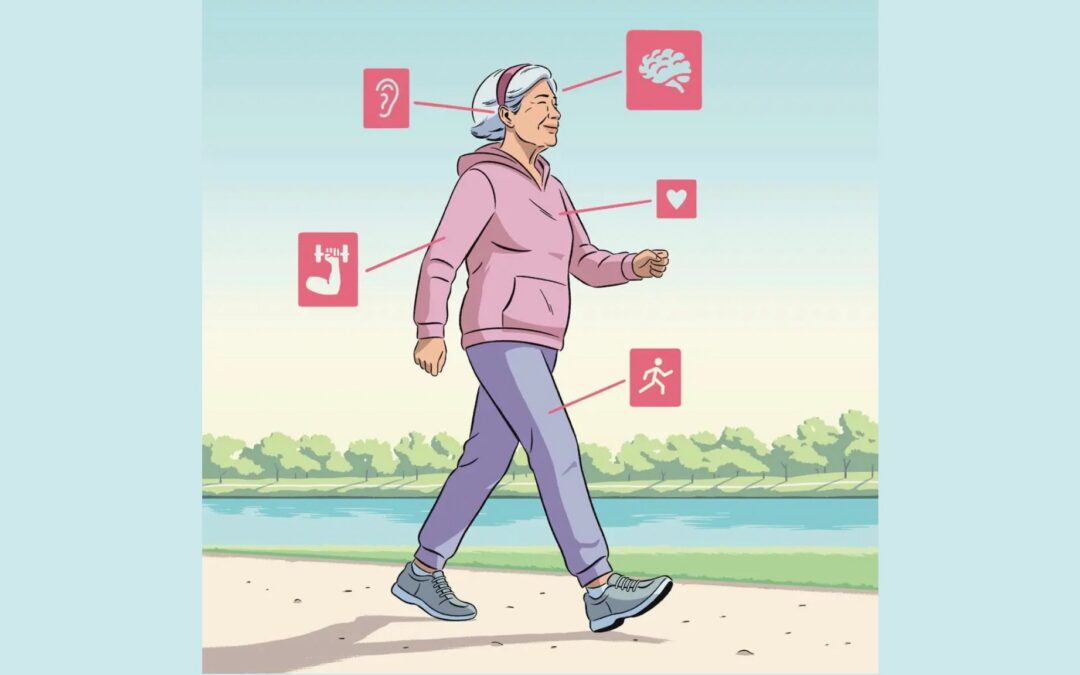
Intrinsic Capacity: The Most Important Longevity Term You’ve Probably Never Heard Of
Intrinsic Capacity is a new term experts are hoping to use to determine a person’s overall health in an effort to implement interventions for a longer, healthier, and happier life. Intrinsic Capacity is measured in five different key areas including cognition, locomotion, sensory capacity, psychological well-being, and vitality. Several studies are being implemented across the US to learn more on how to improve the accuracy of this metric and use it, eventually, for all ages.
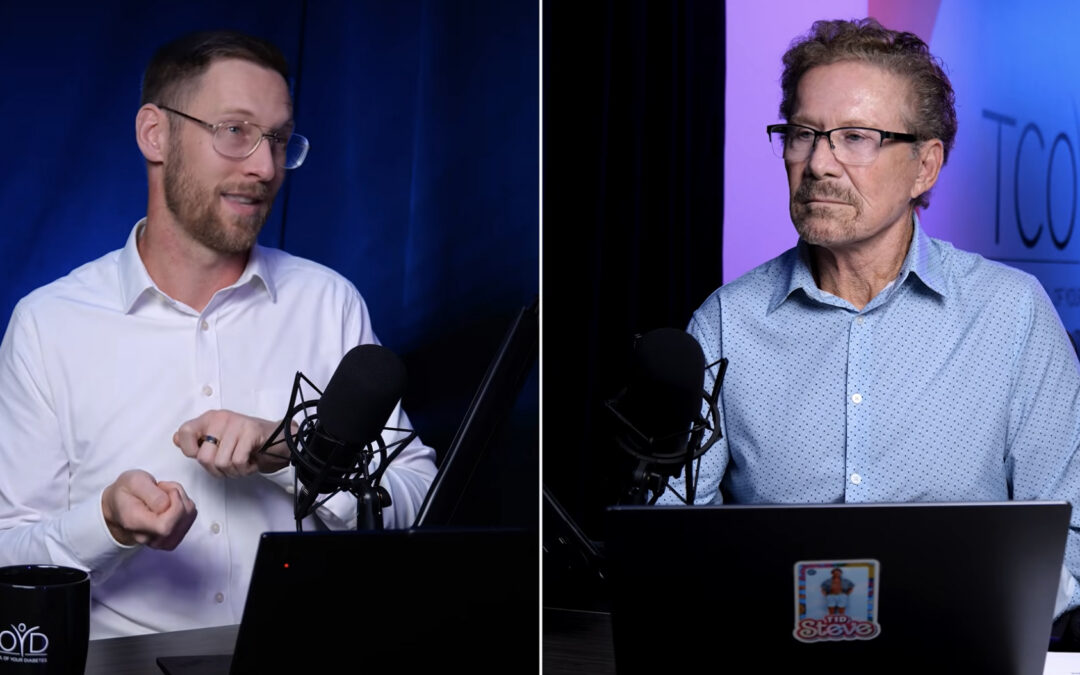
LADA: Why So Many Adults Are Misdiagnosed With Type 2 Diabetes
A YouTube discussion from Taking Care of Your Diabetes (TCOYD) on why 4 in 10 people who are diagnosed with Latent Autoimmune Diabetes in Adults (LADA) are told they have Type 2 Diabetes first and the impact of this misdiagnosis on their health and progress.
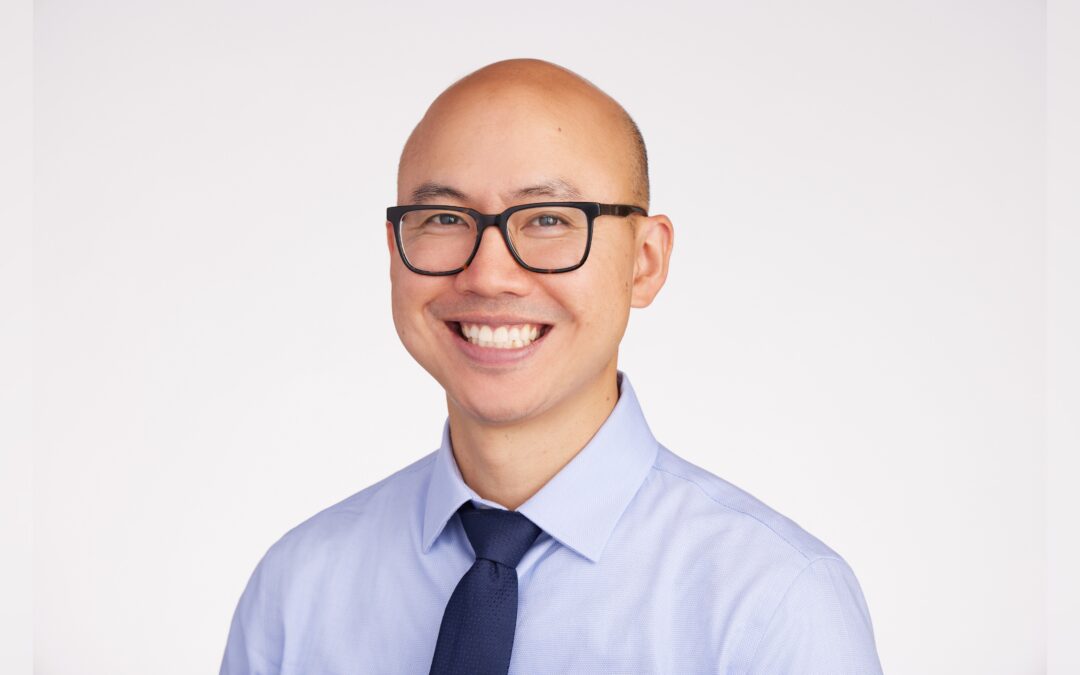
Interview – An Endo’s View: From the Other Side of the Examination Table
I conducted the interview below with my own endocrinologist Dr. David Lam. Our first visit lasted 90 minutes. We talked about diabetes only the last half hour. Lam is smart, tech savvy and responsive. As you might have guessed he is also compassionate, prizes partnership, and sees me as a person, not merely a condition. My husband was impressed when Dr. Lam stayed in text-touch with me, switching me from Lantus to Tresiba, over a weekend. I wanted to understand how he sees our challenges aging with type 1 diabetes and the ones he faces every day working within our industrialized health care system. He didn’t hesitate when I asked for this interview, so here’s an endocrinologist’s view from the other side of the examination table.

The New Science of Brain Workouts, Beyond Sudoku and Crosswords
Forget holding hands—new research reveals a surprising twist in how two people can become a dynamic duo against sudden loss of balance. A recent study, published in the Journal of the Royal Society Interface, demonstrates that when two individuals walk side by side, a rigid link between them dramatically accelerates balance recovery after unexpected slips.
0 Comments