by pgunalan | Jun 26, 2026 | T1D Stories, Interviews
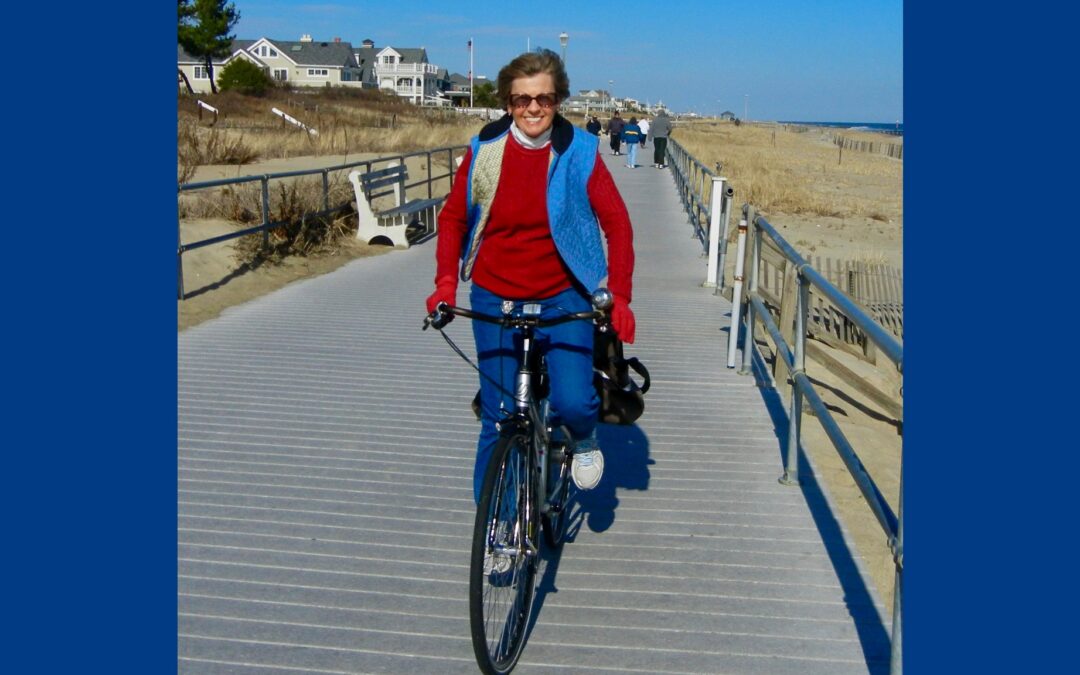
Judith Jones Ambrosini is the oldest person I know with type 1 diabetes, and she’s probably had it longer than anyone I know. When I was beginning to make my mark in diabetes, she was already in the thick of it. She’s been a board member with the American Diabetes Association (ADA), a board member of DESA (Diabetes Exercise and Sports Association), a journalist who wrote for many diabetes magazines, a professional chef and caterer who taught nutrition, she volunteered at Children with Diabetes’ conferences for more than twenty years, and taught Tai Chi at TCOYD (Taking Control of Your Diabetes) conferences in San Diego. When I first met Judith, thirty odd years ago, she blared at me something I’ve never forgotten: “You’re using the poor man’s pump!,” while looking at my syringe trying to convert me. Alas, she never did, but I loved her passion and commitment to helping others. At 83, Judith tells it like it is, then and now, and shares a few wild stories in-between.
by pgunalan | Jun 21, 2026 | Healthy Aging, T1D Stories
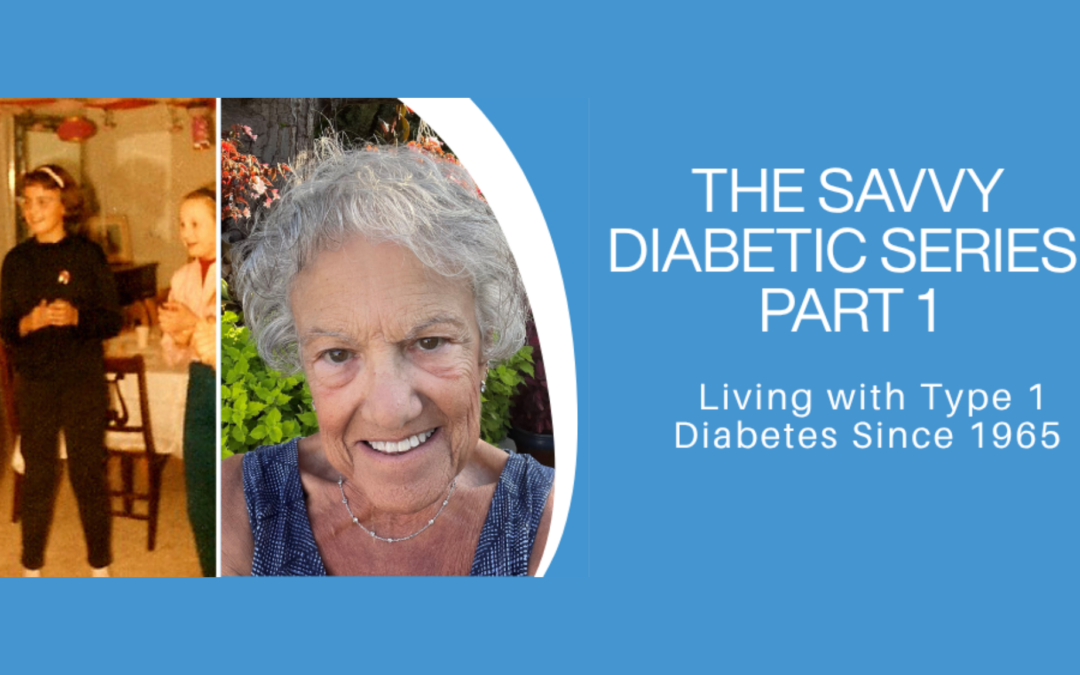
More adults are reaching older age with type 1 diabetes (T1D) than ever before, yet research, hospital care, and long-term support systems have not kept pace with their needs. Joanne Milo, diagnosed in 1965, is pushing for change through advocacy, research discussions, and her platform T1Dto100. As the population of older adults living with T1D grows, she argues that the health care system must respond with better data, better training, and better infrastructure.
by pgunalan | Jun 18, 2026 | Healthy Aging, T1D Stories
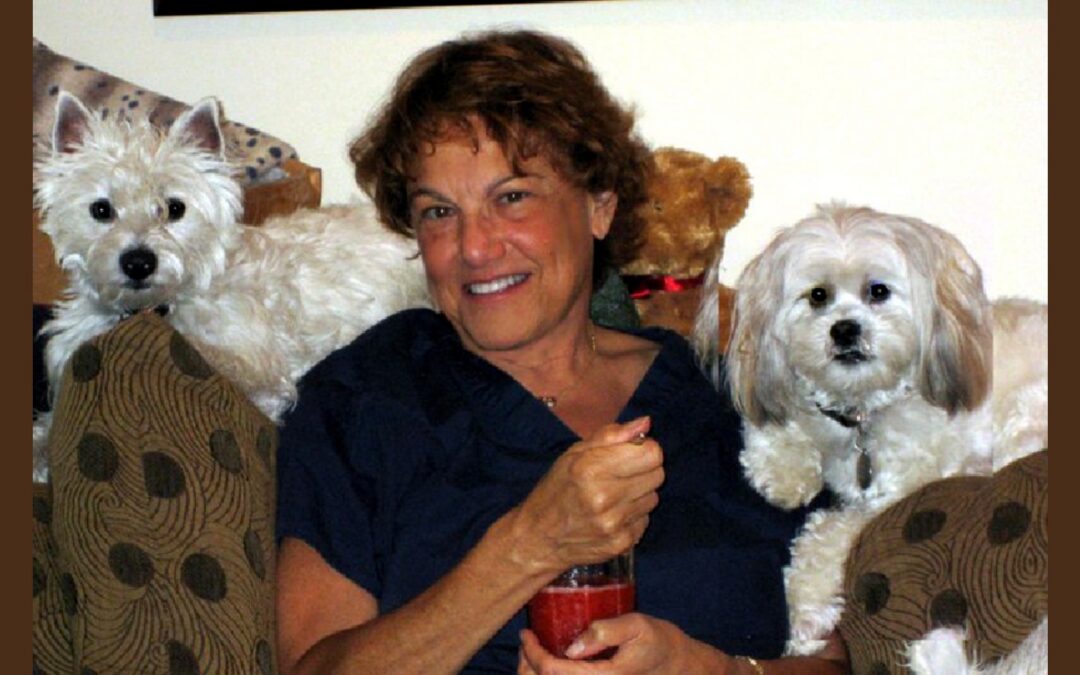
More adults are reaching older age with type 1 diabetes (T1D) than ever before, yet research, hospital care, and long-term support systems have not kept pace with their needs. Joanne Milo, diagnosed in 1965, is pushing for change through advocacy, research discussions, and her platform T1Dto100. As the population of older adults living with T1D grows, she argues that the health care system must respond with better data, better training, and better infrastructure.
by pgunalan | Jun 14, 2026 | Events, Diabetes Technology
We’re honored to host Dr. Steve Edelman, T1D, endocrinologist, founder of @TCOYD, who has lived with T1D himself for decades. He’ll share an honest look at what GLP-1 and other “off-label” medications mean for people with Type 1 diabetes.

by pgunalan | Jun 6, 2026 | Events, Living Options
Join T1Dto100 for an informative conversation about life plan communities and what they can mean for adults living with Type 1 diabetes. Whether you’re planning ahead for yourself or a loved one, this session breaks down how these communities work and what to look for.