
by pgunalan | Aug 3, 2026 | Healthy Aging, In The News
Forget holding hands—new research reveals a surprising twist in how two people can become a dynamic duo against sudden loss of balance. A recent study, published in the Journal of the Royal Society Interface, demonstrates that when two individuals walk side by side, a rigid link between them dramatically accelerates balance recovery after unexpected slips.

by pgunalan | Jul 26, 2026 | Healthy Aging, In The News
About 5 percent of U.S. adults — that’s 15.6 million people — took potentially liver-damaging botanical supplements within the last month, according to a 2024 study published in JAMA Network Open, with middle-aged and older adults being some of the most likely groups to do so. In the study, six specific botanicals were singled out because data from the Drug-Induced Liver Injury Network identified them as the ones that are most likely to be associated with liver toxicity.
by pgunalan | Jul 7, 2026 | T1D Stories, Interviews
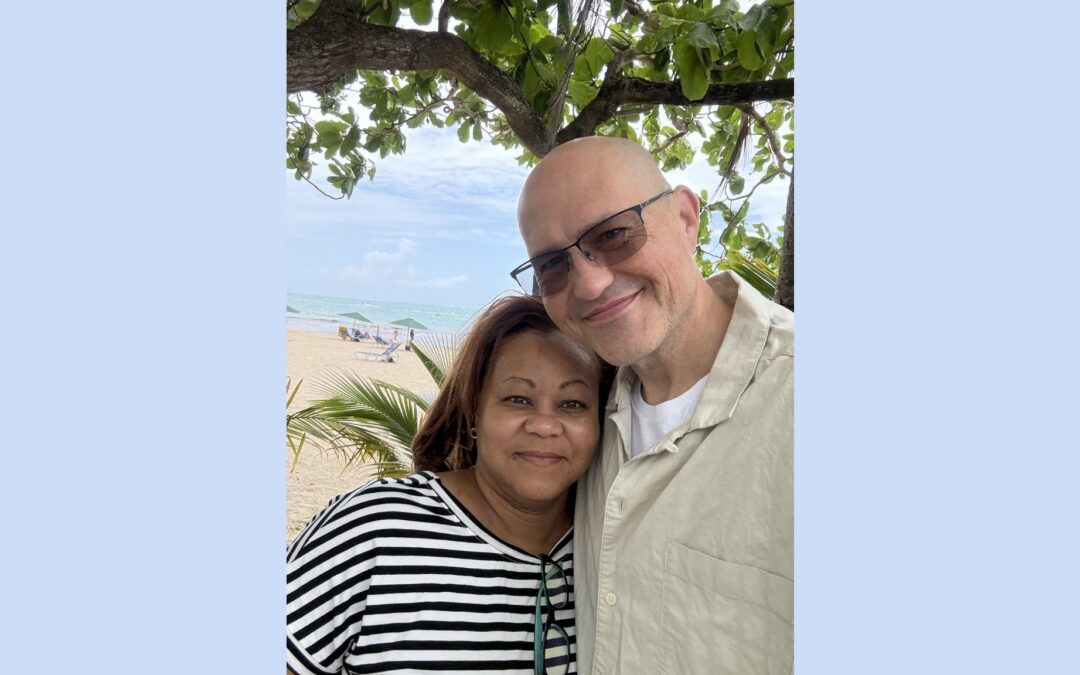
Scott K. Johnson is a prominent Type 1 diabetes (T1D) advocate, blogger, and speaker diagnosed in 1980 at age five. Known for early work in the online diabetes community and his blog, scottsdiabetes.com, he focuses on the emotional and technology-driven aspects of diabetes management. He has worked extensively with mySugr and now with Blue Circle Health, aiming to empower patients and improve diabetes care. I sat down with Scott recently to talk about staying resilient when faced with the challenges of aging and of T1D in general.
by pgunalan | Jun 30, 2026 | In The News, Healthy Aging, Living Options
This study, published in the Journal of the American Medical Directors Association (JAMDA) in 2021, describes a practical diabetes care program developed and tested in six long-term care facilities. Rather than focusing only on blood sugar targets, the program trained nurses and other staff to recognize diabetes problems early, screen every new resident for their risk of high or low blood glucose, and follow standardized care protocols while tailoring treatment to each resident’s individual needs.
by pgunalan | Jun 30, 2026 | Events, Healthy Aging, Humor/Coping
In this first session, Jenna will introduce how mental health and diabetes affect each other, share a few practical tools you can use right away, and open it up for Q&A. This is just the beginning. Future calls will go deeper into burnout, distress, body image, family support, and more.