by pgunalan | Jun 30, 2026 | Events, Healthy Aging, Humor/Coping
In this first session, Jenna will introduce how mental health and diabetes affect each other, share a few practical tools you can use right away, and open it up for Q&A. This is just the beginning. Future calls will go deeper into burnout, distress, body image, family support, and more.
by pgunalan | Jun 14, 2026 | Events, Diabetes Technology
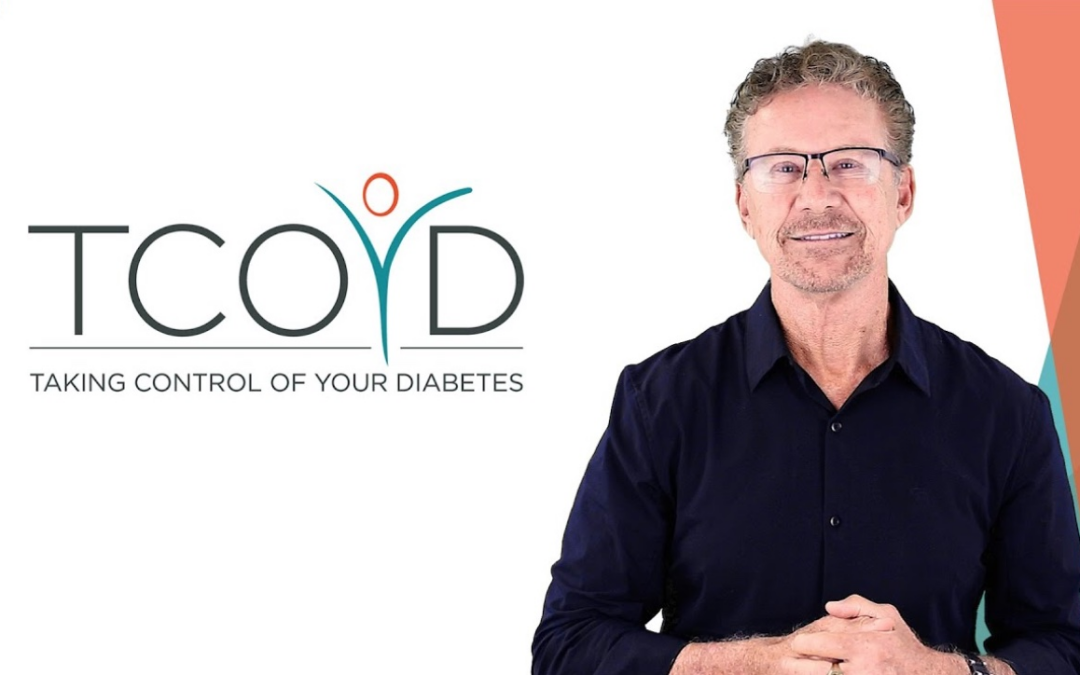
We’re honored to host Dr. Steve Edelman, T1D, endocrinologist, founder of @TCOYD, who has lived with T1D himself for decades. He’ll share an honest look at what GLP-1 and other “off-label” medications mean for people with Type 1 diabetes.

by pgunalan | Jun 6, 2026 | Events, Living Options
Join T1Dto100 for an informative conversation about life plan communities and what they can mean for adults living with Type 1 diabetes. Whether you’re planning ahead for yourself or a loved one, this session breaks down how these communities work and what to look for.
by pgunalan | May 24, 2026 | Events, Hospital/Emergency Preparedness
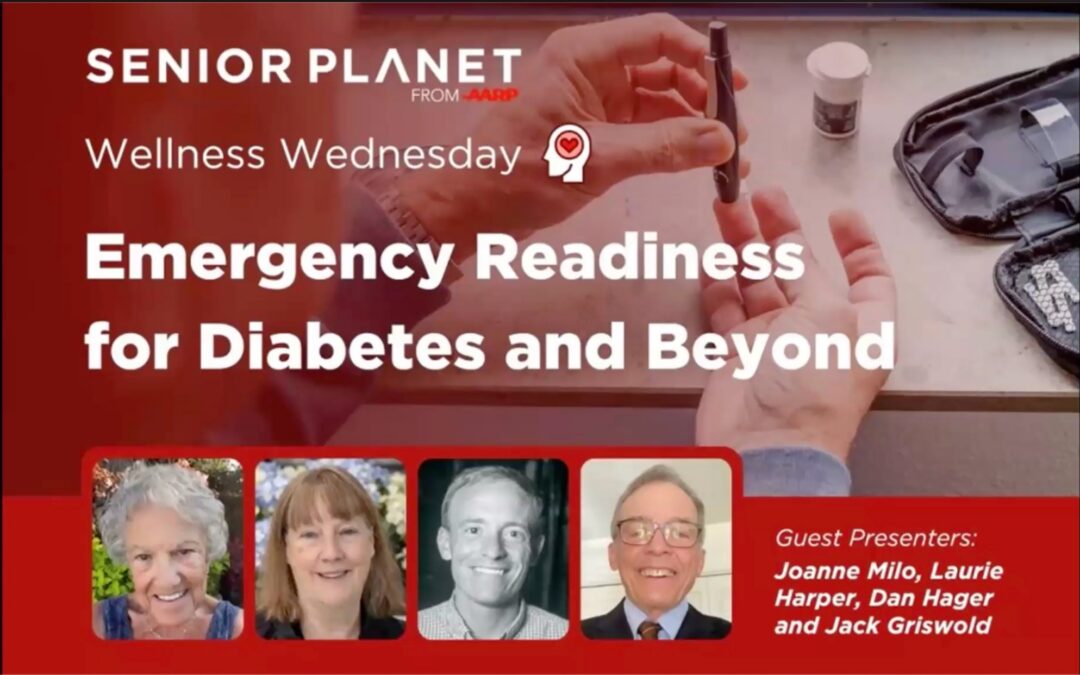
A wellness lunch series from AARP highlighting seniors with diabetes.
What happens to your health management when the power goes out, an earthquake hits, or your luggage goes missing? For anyone living with a medical condition, preparation is a survival strategy. Watch to learn how to build a reliable emergency plan.
by pgunalan | May 22, 2026 | Events
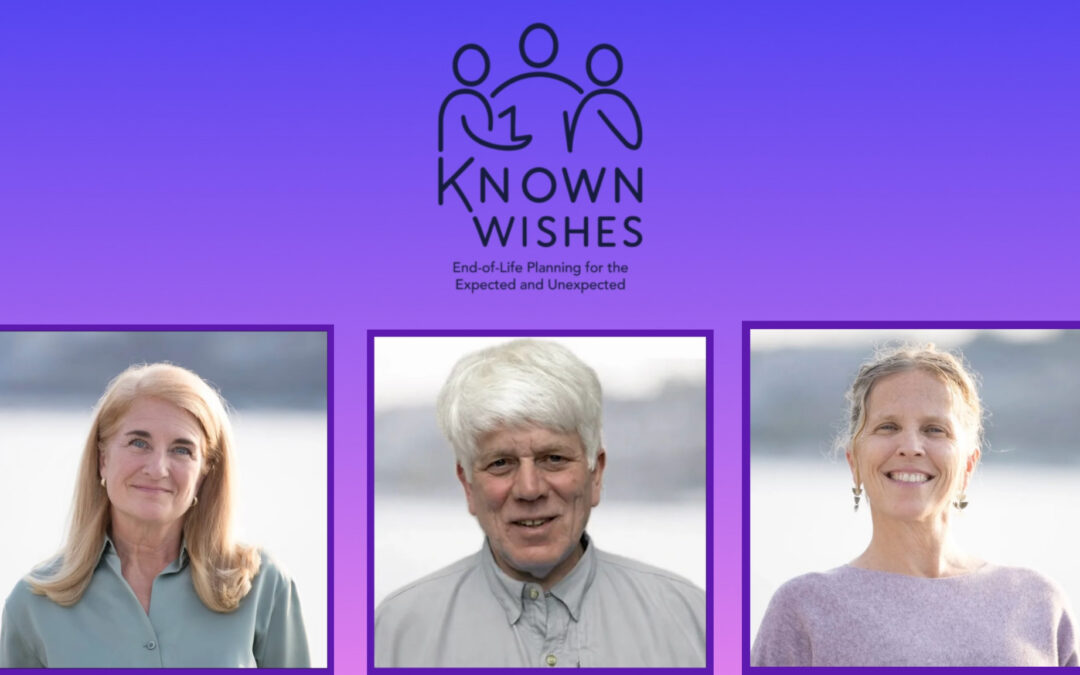
Join Dr. George Birchfield and advance care planning specialist Hilary Walker of Known Wishes to learn how planning ahead lets you stay in charge of all your care — including your diabetes — during an emergency, a hospital stay, or at end of life. You’ll walk away with practical tools to make sure your wishes are known, documented, and honored.
by pgunalan | May 8, 2026 | Events
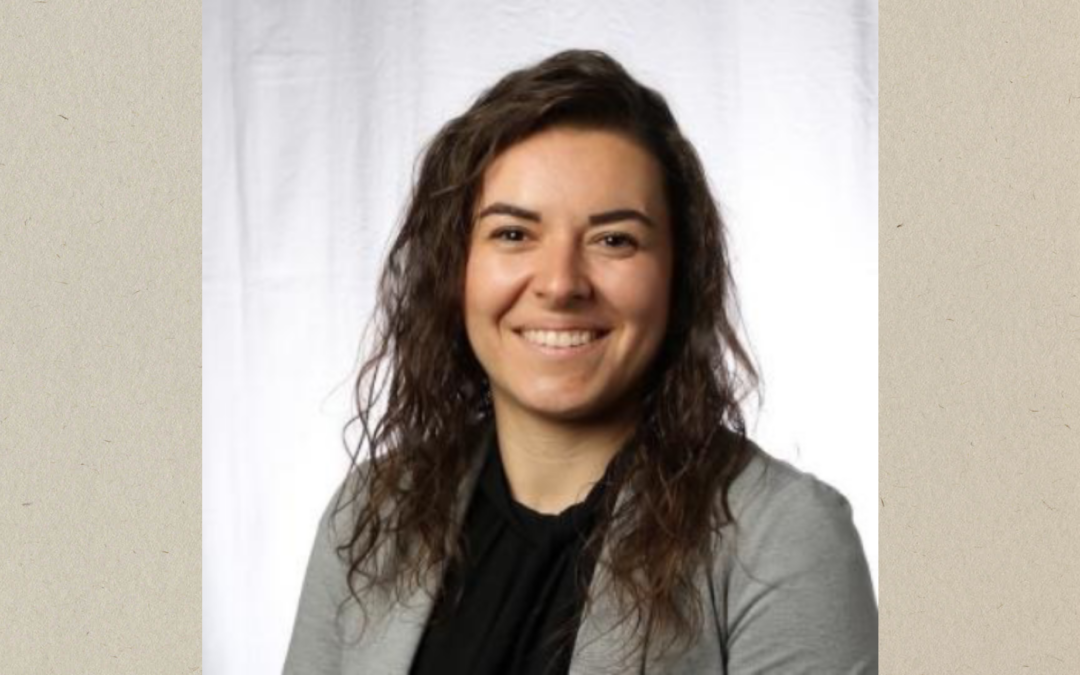
Whether you’re a longtime athlete, easing back into movement, or wondering how exercise needs shift as you age with T1D, this talk is for anyone who wants to keep moving — and keep their blood sugars steady — through every stage of life.