

Staying Steady: Mobility & Balance with Type 1 Diabetes
As we age with Type 1 diabetes, staying on our feet—literally—can become more complicated. Balance, coordination, and steady mobility are vital for maintaining independence, yet they can be affected by several diabetes-related factors.
Long-term Type 1 diabetes can impact the nervous system (especially through peripheral or autonomic neuropathy), leading to reduced sensation in the feet, muscle weakness, or slower reflexes—all of which increase the risk of falls. Add in blood sugar fluctuations, vision changes, or joint stiffness (like limited joint mobility syndrome), and suddenly, everyday movement can feel less predictable.
This section is dedicated to understanding how Type 1 diabetes can impact mobility and balance as we age, and what we can do about it. From recognizing early warning signs and utilizing mobility aids to exploring physical therapy options, exercise strategies, and home safety tips, we’re here to help you stay active, steady, and safe.
Whether you’re navigating stairs, practicing tai chi, or wondering about fall risk assessments, you’ll find practical guidance, inspiring stories, and expert-backed insights here.
Research Insights: How Type 1 Diabetes Affects Mobility & Balance in Aging
As individuals with Type 1 diabetes age, maintaining mobility and balance becomes increasingly challenging due to various diabetes-related complications. Recent studies have shed light on the specific factors contributing to these challenges:
Key Findings from Recent Research
- Peripheral Neuropathy and Balance: Diabetic peripheral neuropathy (DPN) is prevalent among older adults with diabetes and leads to sensory and motor impairments. These impairments result in poorer physical functioning, postural control, and balance, increasing the risk of falls.Functional Aspects in Ageing Adults with Diabetic Neuropathy. A Review – Current Diabetes Reviews
- Vestibular System Impairment: Diabetes has been reported to affect the vestibular system, which is crucial for balance. Impairment in this system contributes to gait instability and increased fall risk. Impact of Diabetic Complications on Balance and Falls: Contribution of the Vestibular System – Physical Therapy
- Multisensory Integration: Older adults with diabetes demonstrate significantly reduced multisensory integration, adversely impacting balance and gait performance. This reduction is associated with worse motor outcomes and increased fall risk. The Influence of Diabetes on Multisensory Integration and Mobility in Aging – Brain Sci
Interventions and Recommendations
Addressing these challenges requires a multifaceted approach:
- Balance and Strength Training: Engaging in balance, strength, and gait training exercises has been shown to reduce fall risk in individuals with diabetes. A Growing Troubling Triad: Diabetes, Aging, and Falls – Journal of Aging Research
- Regular Assessments: Utilizing tools like the Berg Balance Scale and the Mini-Balance Evaluation Systems Test can help in assessing balance issues and tailoring interventions accordingly. Balance Problems in the Elderly with Diabetes Mellitus: A Literature Review – Journal of Mid-Life Health
- Comprehensive Management: Managing blood glucose levels, addressing psychological distress, and monitoring for complications like neuropathy are essential components of maintaining mobility and balance. Physical Function in Middle-aged and Older Adults With Type 1 Diabetes: Long-term Follow-up of the Diabetes Control and Complications Trial/Epidemiology of Diabetes Interventions and Complications Study – Diabetes Care
📚 Additional Resources
Staying informed about the latest research empowers individuals with Type 1 diabetes to take proactive steps in preserving mobility and balance as they age. For more detailed information and resources, consider exploring the following:
- American Diabetes Association: Balance & Avoiding Falls
- Centers for Disease Control and Prevention: Prevent Falls
- Why Are More Older People Dying After Falls?
- In Senior Homes, A.I. Technology Is Sensing Falls Before They Happen
By integrating these insights and resources, individuals can better navigate the complexities of aging with Type 1 diabetes, maintaining independence and quality of life.
Last updated 09/16/2025.
Recent Stories

Choosing Your 2027 Medicare Plan: An Open Enrollment Guide for People with Type 1 Diabetes
We have created this guide on how to choose your 2027 medicare plan including important dates, commons mistakes, and a checklist of things to do. There are also special insights on what you need to keep in mind, programs that could be helpful, and changes from the previous year. Read the full article for everything you need to know!
Intrinsic Capacity: The Most Important Longevity Term You’ve Probably Never Heard Of
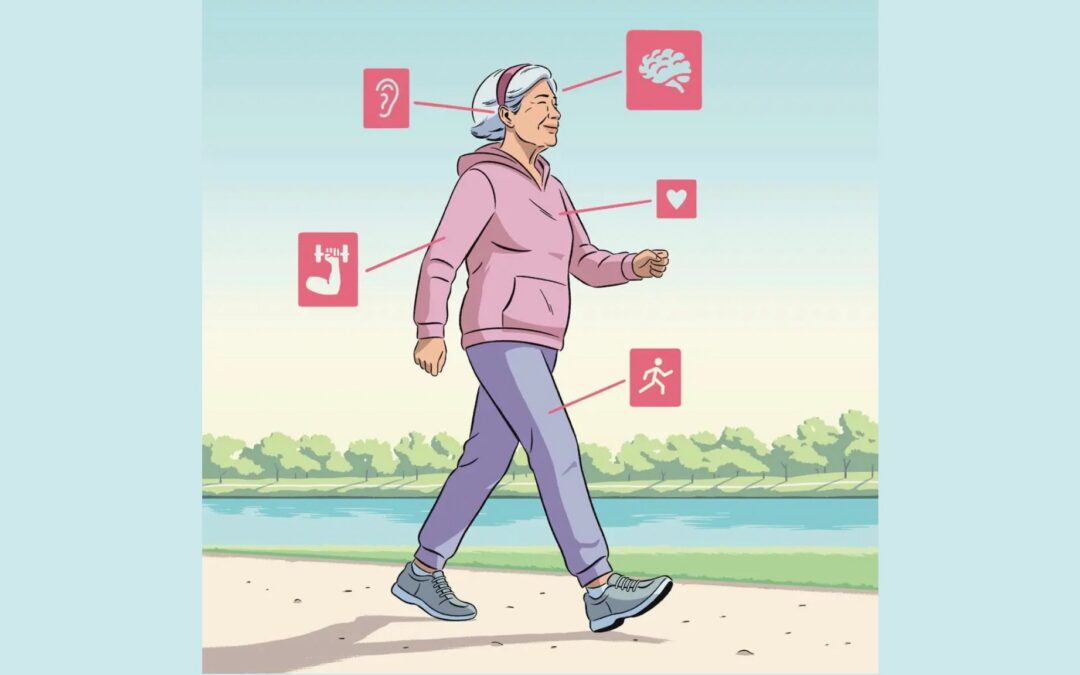
Intrinsic Capacity is a new term experts are hoping to use to determine a person’s overall health in an effort to implement interventions for a longer, healthier, and happier life. Intrinsic Capacity is measured in five different key areas including cognition, locomotion, sensory capacity, psychological well-being, and vitality. Several studies are being implemented across the US to learn more on how to improve the accuracy of this metric and use it, eventually, for all ages.

LADA: Why So Many Adults Are Misdiagnosed With Type 2 Diabetes
A YouTube discussion from Taking Care of Your Diabetes (TCOYD) on why 4 in 10 people who are diagnosed with Latent Autoimmune Diabetes in Adults (LADA) are told they have Type 2 Diabetes first and the impact of this misdiagnosis on their health and progress.