

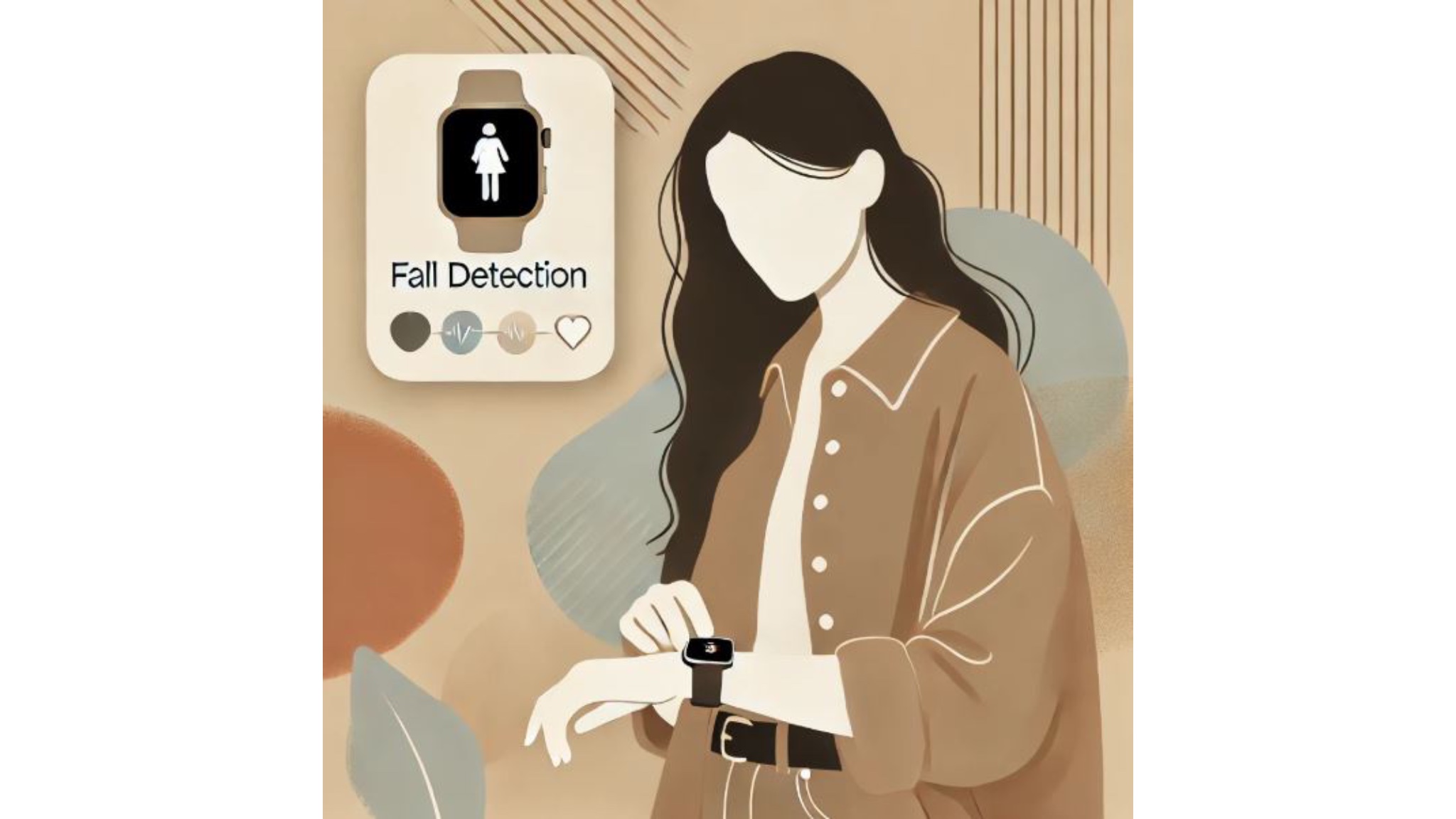
In Senior Homes, A.I. Technology Is Sensing Falls Before They Happen
By Joyce Cohen
Artificial Intelligence (A.I.) is now being used to prevent and detect falls in senior living facilities, according to “In Senior Homes, A.I. Technology Is Sensing Falls Before They Happen,” an October 29, 2025 article by Joyce Cohen in The New York Times.
Read the full article, subscription needed: https://www.nytimes.com/2025/10/29/realestate/in-senior-homes-ai-technology-is-sensing-falls-before-they-happen.html.
Although the article focuses on the deployment of this technology in high-end facilities, as with many technologies, it is likely to become less expensive and more widely available as time goes on. Especially because it appears to be working: at one facility in New York City, there has been a 40% drop in falls since an A.I. fall-detection system was introduced several years ago. An executive with another facility described the “immediate impact” of the technology in the form of reduced hospital visits.
Falls are the leading cause of injury-related deaths for people over 65, according to the Centers for Disease Control and Prevention. At one facility profiled in the article, the A.I. system uses sensors mounted high on the walls that monitor the movements of the people inside a given unit. The sensors learn trends that can predict a fall and store data about movements to detect aberrations. They also send real-time information to staff, who can respond immediately if a fall actually occurs. In this regard, A.I. offers an advantage over traditional fall-detection systems, like fitness watches and bathroom cords, which may not be helpful for people who are injured or unconscious. A.I. can also pick up on changes that may be undetectable to the human eye, like decreases in stride length, which can increase the risk of falls.
The article also covers the privacy implications of A.I. fall-detection systems. These systems do have safeguards to address privacy, and a number of states have laws about monitoring in assisted living facilities. With appropriate privacy safeguards, this has the potential to be a highly beneficial application of A.I. Stay tuned!
Recent Stories & News
Choosing Your 2027 Medicare Plan: An Open Enrollment Guide for People with Type 1 Diabetes
We have created this guide on how to choose your 2027 medicare plan including important dates, commons mistakes, and a checklist of things to do. There are also special insights on what you need to keep in mind, programs that could be helpful, and changes from the previous year. Read the full article for everything you need to know!
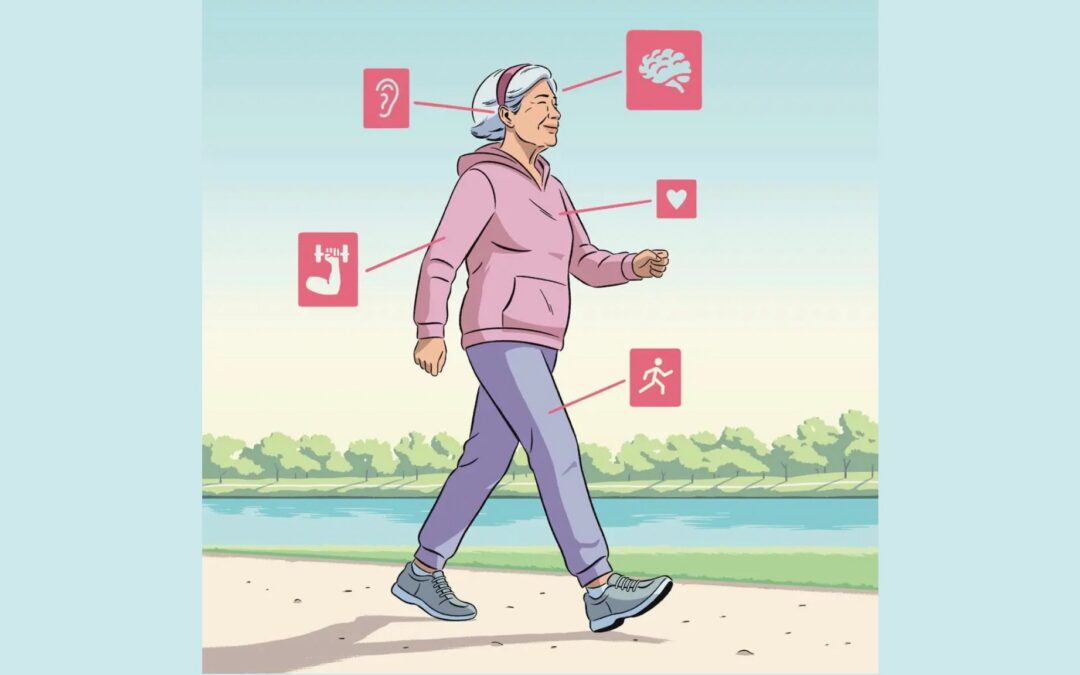
Intrinsic Capacity: The Most Important Longevity Term You’ve Probably Never Heard Of
Intrinsic Capacity is a new term experts are hoping to use to determine a person’s overall health in an effort to implement interventions for a longer, healthier, and happier life. Intrinsic Capacity is measured in five different key areas including cognition, locomotion, sensory capacity, psychological well-being, and vitality. Several studies are being implemented across the US to learn more on how to improve the accuracy of this metric and use it, eventually, for all ages.

LADA: Why So Many Adults Are Misdiagnosed With Type 2 Diabetes
A YouTube discussion from Taking Care of Your Diabetes (TCOYD) on why 4 in 10 people who are diagnosed with Latent Autoimmune Diabetes in Adults (LADA) are told they have Type 2 Diabetes first and the impact of this misdiagnosis on their health and progress.

Interview – An Endo’s View: From the Other Side of the Examination Table
I conducted the interview below with my own endocrinologist Dr. David Lam. Our first visit lasted 90 minutes. We talked about diabetes only the last half hour. Lam is smart, tech savvy and responsive. As you might have guessed he is also compassionate, prizes partnership, and sees me as a person, not merely a condition. My husband was impressed when Dr. Lam stayed in text-touch with me, switching me from Lantus to Tresiba, over a weekend. I wanted to understand how he sees our challenges aging with type 1 diabetes and the ones he faces every day working within our industrialized health care system. He didn’t hesitate when I asked for this interview, so here’s an endocrinologist’s view from the other side of the examination table.
The New Science of Brain Workouts, Beyond Sudoku and Crosswords
Forget holding hands—new research reveals a surprising twist in how two people can become a dynamic duo against sudden loss of balance. A recent study, published in the Journal of the Royal Society Interface, demonstrates that when two individuals walk side by side, a rigid link between them dramatically accelerates balance recovery after unexpected slips.
0 Comments