


News Updates and Real Voices on Aging with Type 1 Diabetes and Updates from the World of Diabetes at Large
There’s power in storytelling and sharing, especially when it comes to navigating the ups and downs of aging with Type 1 diabetes.
In this section, you’ll find real-life experiences from people who have lived with T1D for decades. Their stories offer insight, comfort, laughter, and sometimes hard-won wisdom. Whether you’re looking for practical tips, a sense of connection, or simply the reassurance that someone else gets it, these shared journeys remind us that we’re stronger together. Every story matters—and yours does, too.
If you’d like to share your adventures and challenges, we welcome your journey! Please contact us and we’ll follow up with you.
Here you’ll also find updates from the world relevant to Type 1 Diabetics including in science, technology, publications, research, and more. Keep up to date with this section so you can stay up to date and the best advocate for yourself.
Choosing Your 2027 Medicare Plan: An Open Enrollment Guide for People with Type 1 Diabetes
We have created this guide on how to choose your 2027 medicare plan including important dates, commons mistakes, and a checklist of things to do. There are also special insights on what you need to keep in mind, programs that could be helpful, and changes from the previous year. Read the full article for everything you need to know!
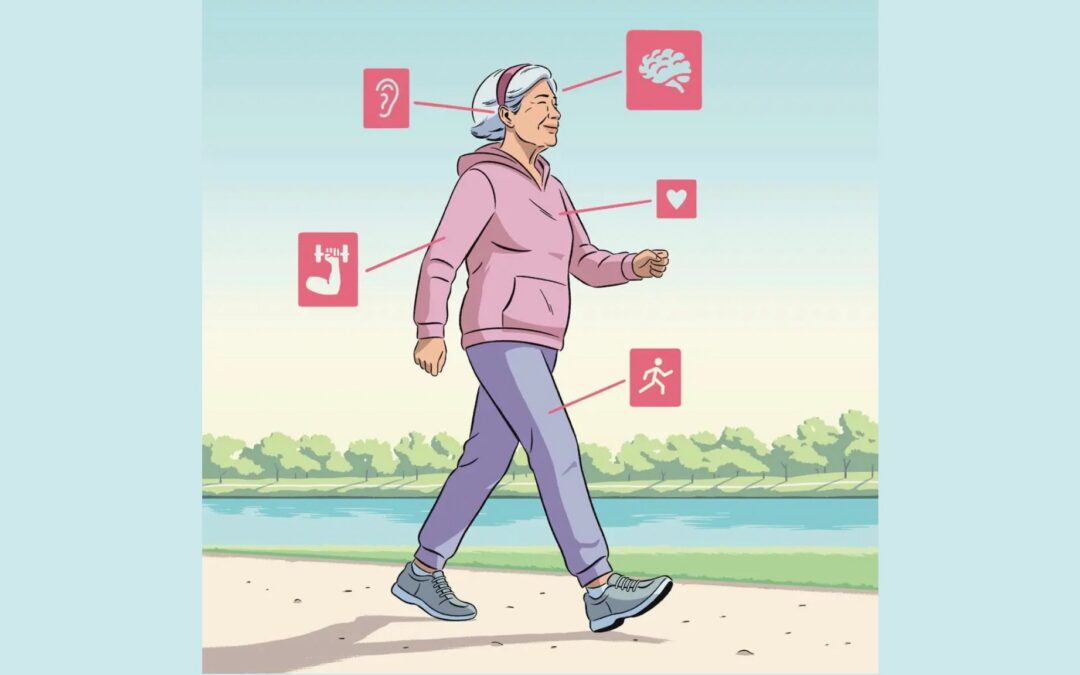
Intrinsic Capacity: The Most Important Longevity Term You’ve Probably Never Heard Of
Intrinsic Capacity is a new term experts are hoping to use to determine a person’s overall health in an effort to implement interventions for a longer, healthier, and happier life. Intrinsic Capacity is measured in five different key areas including cognition, locomotion, sensory capacity, psychological well-being, and vitality. Several studies are being implemented across the US to learn more on how to improve the accuracy of this metric and use it, eventually, for all ages.
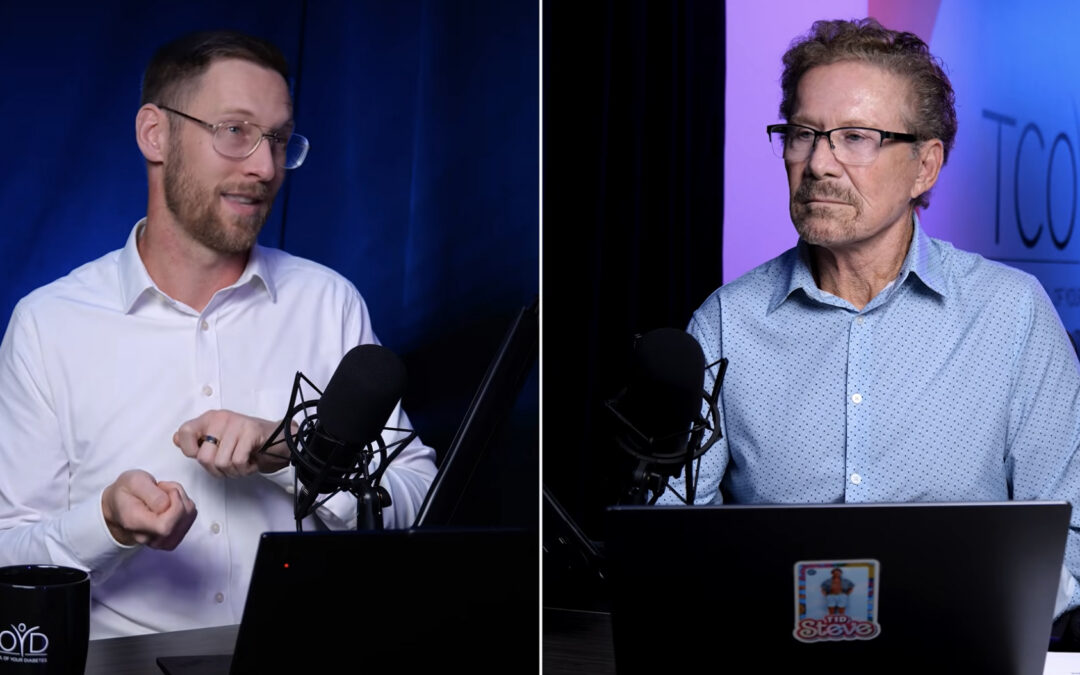
LADA: Why So Many Adults Are Misdiagnosed With Type 2 Diabetes
A YouTube discussion from Taking Care of Your Diabetes (TCOYD) on why 4 in 10 people who are diagnosed with Latent Autoimmune Diabetes in Adults (LADA) are told they have Type 2 Diabetes first and the impact of this misdiagnosis on their health and progress.

Interview – An Endo’s View: From the Other Side of the Examination Table
I conducted the interview below with my own endocrinologist Dr. David Lam. Our first visit lasted 90 minutes. We talked about diabetes only the last half hour. Lam is smart, tech savvy and responsive. As you might have guessed he is also compassionate, prizes partnership, and sees me as a person, not merely a condition. My husband was impressed when Dr. Lam stayed in text-touch with me, switching me from Lantus to Tresiba, over a weekend. I wanted to understand how he sees our challenges aging with type 1 diabetes and the ones he faces every day working within our industrialized health care system. He didn’t hesitate when I asked for this interview, so here’s an endocrinologist’s view from the other side of the examination table.

The New Science of Brain Workouts, Beyond Sudoku and Crosswords
Forget holding hands—new research reveals a surprising twist in how two people can become a dynamic duo against sudden loss of balance. A recent study, published in the Journal of the Royal Society Interface, demonstrates that when two individuals walk side by side, a rigid link between them dramatically accelerates balance recovery after unexpected slips.

Why Just Sharing a Stick While Walking Can Significantly Improve Balance
Forget holding hands—new research reveals a surprising twist in how two people can become a dynamic duo against sudden loss of balance. A recent study, published in the Journal of the Royal Society Interface, demonstrates that when two individuals walk side by side, a rigid link between them dramatically accelerates balance recovery after unexpected slips.

10 Popular Supplements That Can Damage Your Liver
About 5 percent of U.S. adults — that’s 15.6 million people — took potentially liver-damaging botanical supplements within the last month, according to a 2024 study published in JAMA Network Open, with middle-aged and older adults being some of the most likely groups to do so. In the study, six specific botanicals were singled out because data from the Drug-Induced Liver Injury Network identified them as the ones that are most likely to be associated with liver toxicity.
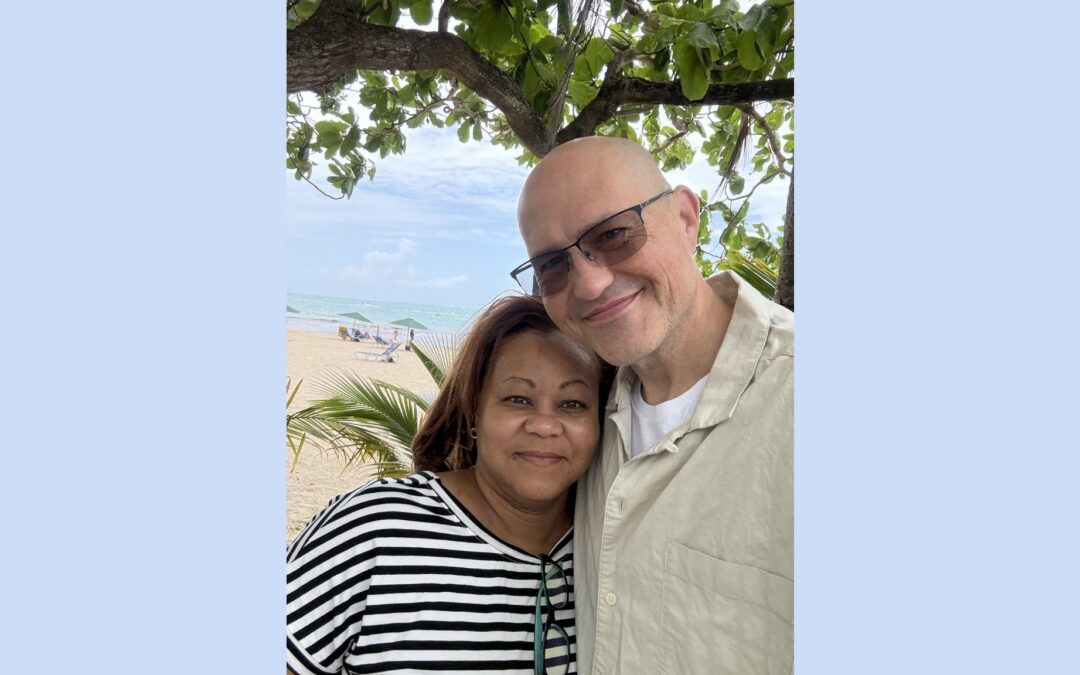
Interview – Resilience and Aging with Type 1 Diabetes: A Conversation with Scott Johnson
Scott K. Johnson is a prominent Type 1 diabetes (T1D) advocate, blogger, and speaker diagnosed in 1980 at age five. Known for early work in the online diabetes community and his blog, scottsdiabetes.com, he focuses on the emotional and technology-driven aspects of diabetes management. He has worked extensively with mySugr and now with Blue Circle Health, aiming to empower patients and improve diabetes care. I sat down with Scott recently to talk about staying resilient when faced with the challenges of aging and of T1D in general.

Research Study – A Successful Diabetes Management Model of Care in Long-Term Care Facilities
This study, published in the Journal of the American Medical Directors Association (JAMDA) in 2021, describes a practical diabetes care program developed and tested in six long-term care facilities. Rather than focusing only on blood sugar targets, the program trained nurses and other staff to recognize diabetes problems early, screen every new resident for their risk of high or low blood glucose, and follow standardized care protocols while tailoring treatment to each resident’s individual needs.
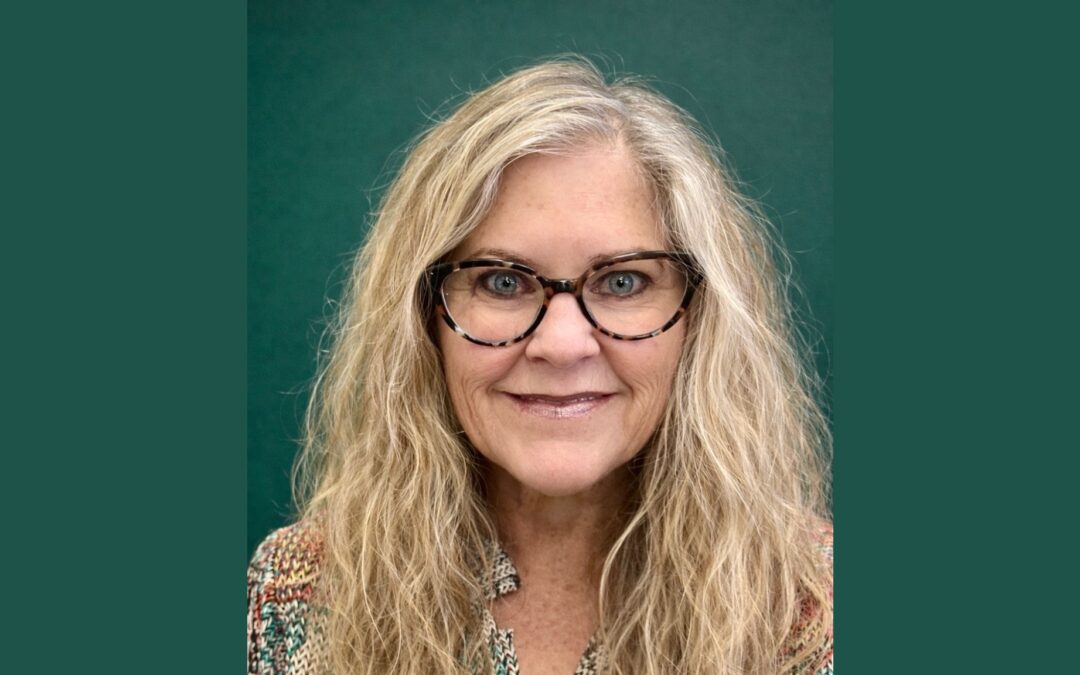
Webinar – Let’s Talk T1D & Mental Health with Jenna Eisenberg
In this first session, Jenna will introduce how mental health and diabetes affect each other, share a few practical tools you can use right away, and open it up for Q&A. This is just the beginning. Future calls will go deeper into burnout, distress, body image, family support, and more.