

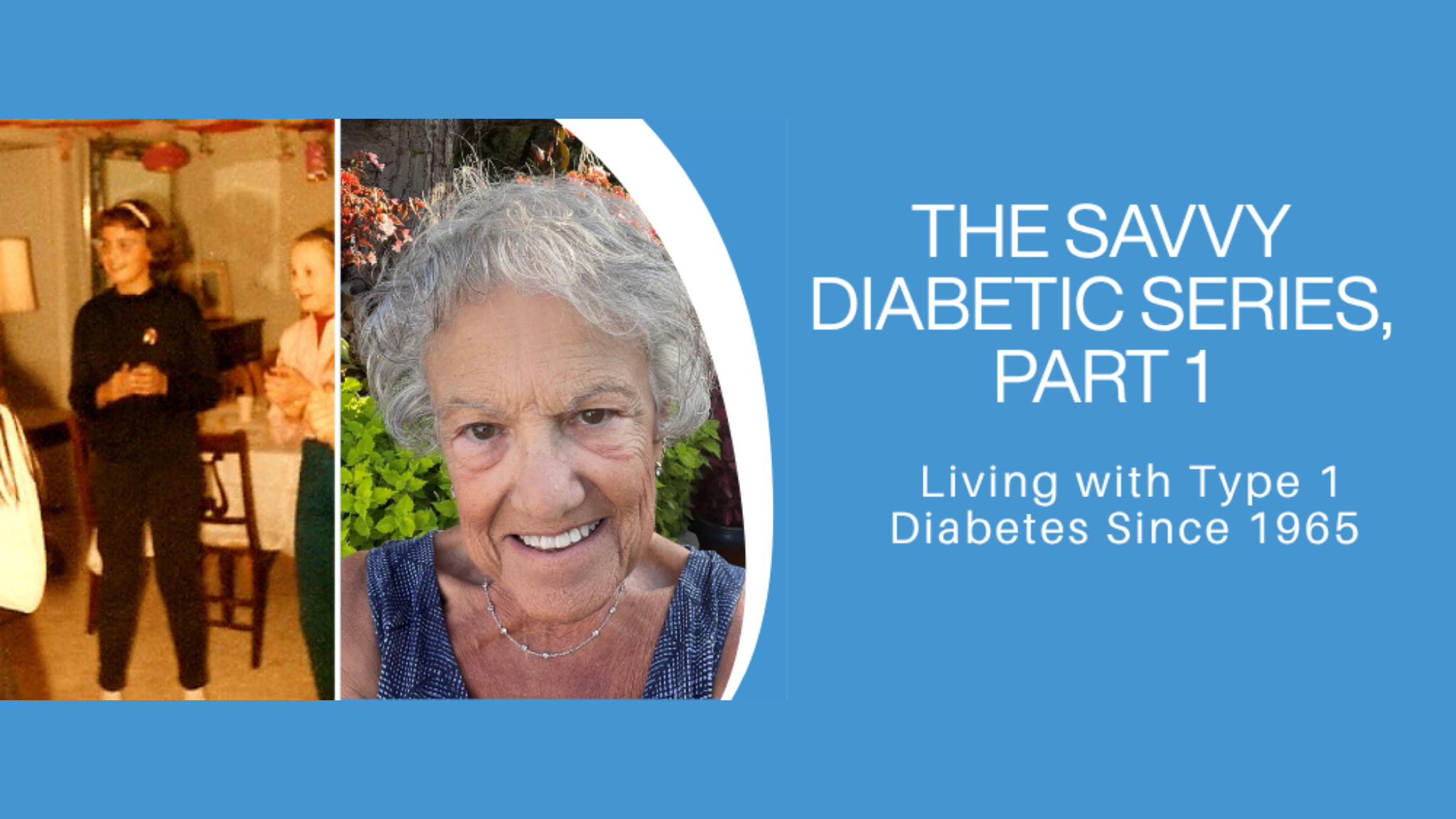
Diabetes Research Connection – The Savvy Diabetic Series, Part 1: Living with Type 1 Diabetes Since 1965
Many people in the Type 1 diabetes community know Joanne Milo as the voice behind The Savvy Diabetic, where she has spent years sharing practical advice, research updates, and resources for living well with T1D. But long before she became an educator and advocate, she was an 11-year-old girl learning to navigate a life-changing diagnosis in 1965.
In this first installment of our three-part series, Joanne reflects on her diagnosis and the remarkable evolution of diabetes technology she has experienced firsthand. In the next two blogs, we’ll explore how she built communities that support thousands of people with T1D and why she is now focused on improving care and representation for older adults living with the condition.
Diagnosis, Coca Cola, and Polka Dots
When Joanne was diagnosed with Type 1 Diabetes (T1D) in January 1965, she had just celebrated her 11th birthday. More than 60 years later, she can still recall every detail of that day.
“I remember everything,” she says. “I didn’t know the word ‘diabetes.’ I thought it sounded like ‘polka dots,’ so I remember thinking, ‘Oh my goodness, I’m going to have dots all over!'”
In the weeks leading up to her diagnosis, Joanne had been unusually tired and thirsty. During a family vacation in Puerto Rico, she drank Cokes constantly, and after returning home she would come back from ballet class and drink an entire quart of orange juice. It wasn’t until she became too sick to attend school that her pediatrician performed a urine test and confirmed she had diabetes.
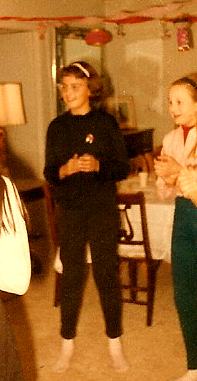
The diagnosis changed life for Joanne and her family overnight. She and her mother left the doctor’s office with insulin, syringes, and testing supplies, learning to navigate a completely unfamiliar reality.
“My mom cried a lot,” Joanne remembers. “Everything seemed dark in the house.”
As Joanne tried to process the diagnosis, another unexpected change unfolded at home. She had been raised in the Christian Science faith, where reliance on medical treatment is often discouraged, and suddenly her family stopped attending church.
“I had been raised as a Christian Scientist, and suddenly I wasn’t going to church anymore,” she recalls. “The whispers were that if you go to church, they’ll let you die because you’re not supposed to take medicine.”
For an 11-year-old, it was one more confusing and emotional layer added to an already overwhelming day. But despite the uncertainty, her parents made their priorities clear. They embraced the medical care Joanne needed and threw themselves into learning everything they could about managing T1D.
“My parents jumped in 1,000%,” Joanne says.
Although the adjustment was overwhelming, her parents immediately committed themselves to learning everything they could. Her mother learned to give insulin injections, while her father, an engineer, developed meticulous tracking logs and became deeply involved with the local diabetes community and fundraising efforts through the American Diabetes Association.
“It was very disruptive to our family,” Joanne says. “But we all kind of adapted.”
A Front-Row Seat to the Evolution of Diabetes Technology
Throughout her life, Joanne has approached new diabetes technology with curiosity and optimism. While some people are hesitant to try the latest devices, she has always been eager to see how innovation could make life with Type 1 diabetes a little easier.
“My trajectory all the way through has been that if there’s something better, give it to me. I want it.”
That mindset began early. In 1970, when Joanne was a junior in high school, her parents purchased one of the first home glucose meters for about $500 out of pocket, despite the lack of insurance coverage. The device plugged into the wall and used a pin analysis system to estimate blood glucose levels. By today’s standards it was bulky and only marginally accurate, but it represented a major leap forward from urine testing.
When she went to college a few years later, Joanne upgraded to the LifeScan portable glucose meter. It could be carried with her and delivered a result in about 45 seconds, giving her greater independence and a glimpse of what the future of diabetes care could look like.
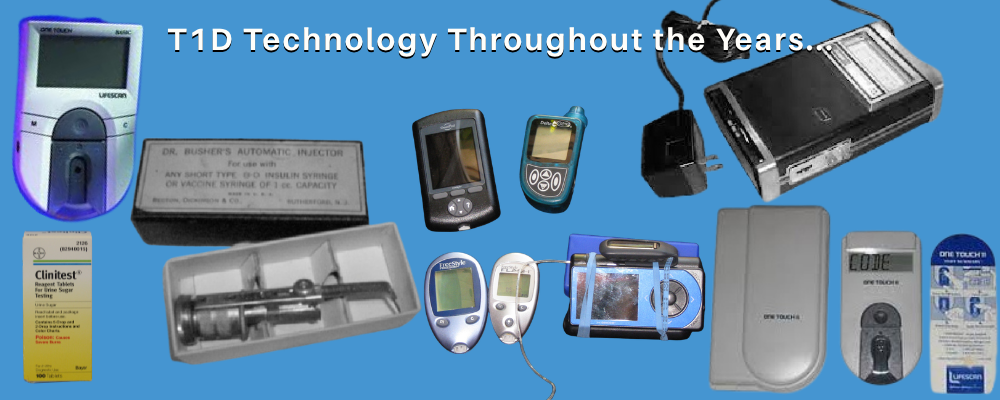
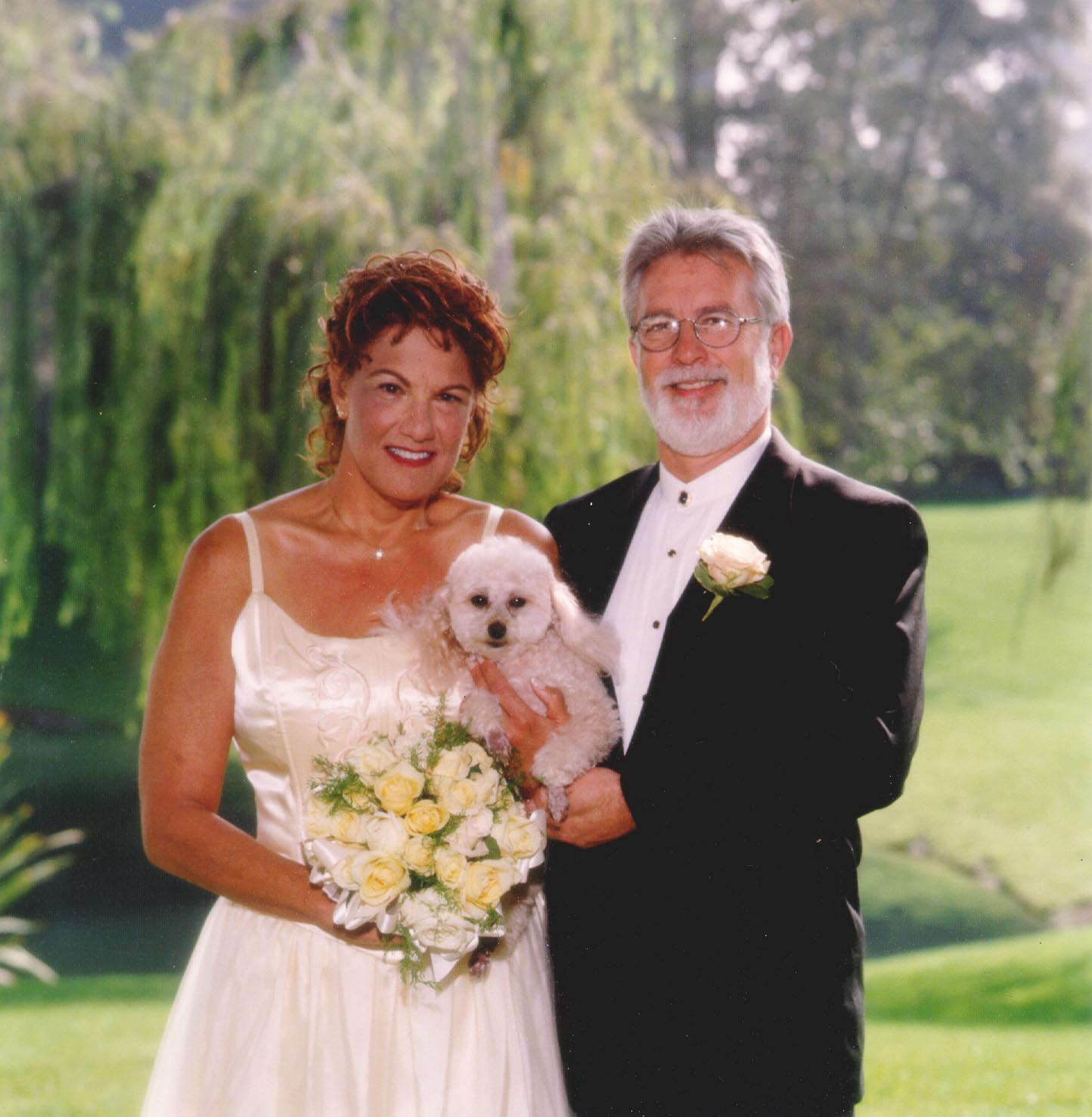
Decades later, in 2004, Joanne transitioned to a Deltec Cozmo insulin pump after finding it increasingly difficult to manage her glucose levels with multiple daily injections. Together with her husband, a design engineer, she explored pump profiles and data tracking to better tailor her care.
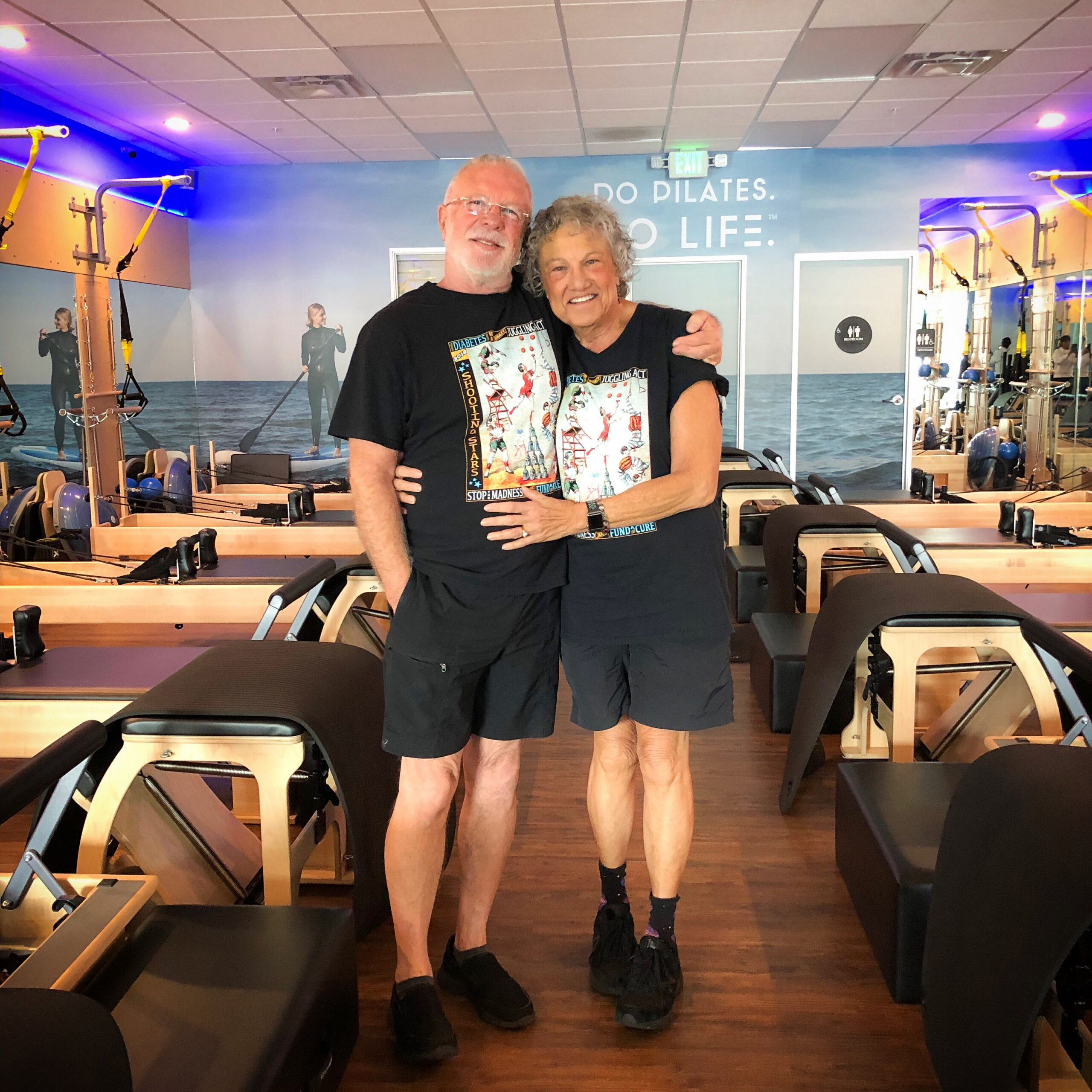
In 2006, she attended a presentation about an emerging technology called continuous glucose monitoring and immediately turned to her husband. “I need that,” she remembers saying. Soon after, she became one of the earliest people in her county to use the Dexcom STS continuous glucose monitor. The technology was still in its infancy, and she jokes that its accuracy was so inconsistent she once described it to a room full of physicians as “a random number generator.”
Her enthusiasm for innovation didn’t stop there. In 2014, Joanne discovered Nightscout, an open-source project that allowed people to remotely display and share continuous glucose monitor data. Excited by its possibilities, she hosted one of the first Nightscout build events in Orange County, bringing together participants from across the country to assemble the hardware and software needed to run the system.
When she learned about Loop, an open-source automated insulin delivery system, in 2016, she once again embraced the challenge, even tracking down an older Medtronic pump on Craigslist so she could build the system herself. Two years later, recognizing that many people were teaching themselves these technologies with little formal support, she founded a local Loop users group. During the COVID-19 pandemic, that effort expanded online and evolved into Loop and Learn, which now serves more than 14,000 members worldwide.
Looking back, Joanne’s journey mirrors the remarkable evolution of diabetes care itself. From urine testing and early blood glucose meters to insulin pumps, continuous glucose monitors, and open-source automated insulin delivery systems, she has spent decades embracing new ideas and helping others do the same.
No one should have to navigate T1D alone
Joanne’s willingness to experiment with new ideas eventually extended beyond her own care. She became involved with emerging diabetes technologies, connected with others exploring innovative approaches, and helped foster communities where people could learn from one another.
For Joanne, staying informed has never been just about keeping up with the latest gadgets. It’s about improving quality of life and empowering people with T1D to make informed decisions about their own care.
After more than six decades with the condition, she has witnessed extraordinary progress firsthand. Yet she believes one of the most important lessons remains unchanged: no one should have to navigate T1D alone.
In the next installment of this series, we’ll explore how one unexpected medical emergency inspired Joanne to turn her personal experiences into educational resources that have helped thousands of people better prepare for life with T1D.
Take the Next Step
Explore The Savvy Diabetic
Discover Joanne’s educational resources, practical tips, and the latest updates in diabetes technology and research at The Savvy Diabetic.
Support the Future of Type 1 Diabetes Research
Every breakthrough begins with research. By making a gift to Diabetes Research Connection, you help fund innovative early-career scientists working toward better treatments and a cure for Type 1 diabetes.
Stay Connected
Want to keep up with inspiring stories like Joanne’s and the latest developments in T1D research? Sign up for the Diabetes Research Connection newsletter to receive updates, educational resources, and opportunities to make an impact delivered straight to your inbox.
Recent Stories & News

Choosing Your 2027 Medicare Plan: An Open Enrollment Guide for People with Type 1 Diabetes
We have created this guide on how to choose your 2027 medicare plan including important dates, commons mistakes, and a checklist of things to do. There are also special insights on what you need to keep in mind, programs that could be helpful, and changes from the previous year. Read the full article for everything you need to know!
Intrinsic Capacity: The Most Important Longevity Term You’ve Probably Never Heard Of
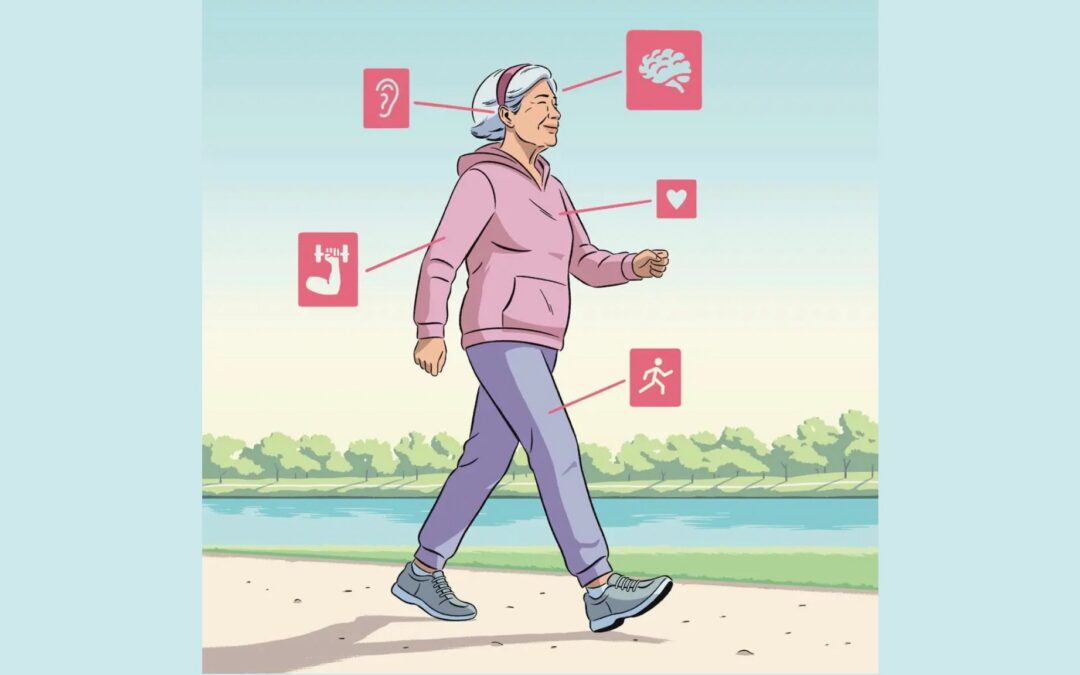
Intrinsic Capacity is a new term experts are hoping to use to determine a person’s overall health in an effort to implement interventions for a longer, healthier, and happier life. Intrinsic Capacity is measured in five different key areas including cognition, locomotion, sensory capacity, psychological well-being, and vitality. Several studies are being implemented across the US to learn more on how to improve the accuracy of this metric and use it, eventually, for all ages.
LADA: Why So Many Adults Are Misdiagnosed With Type 2 Diabetes
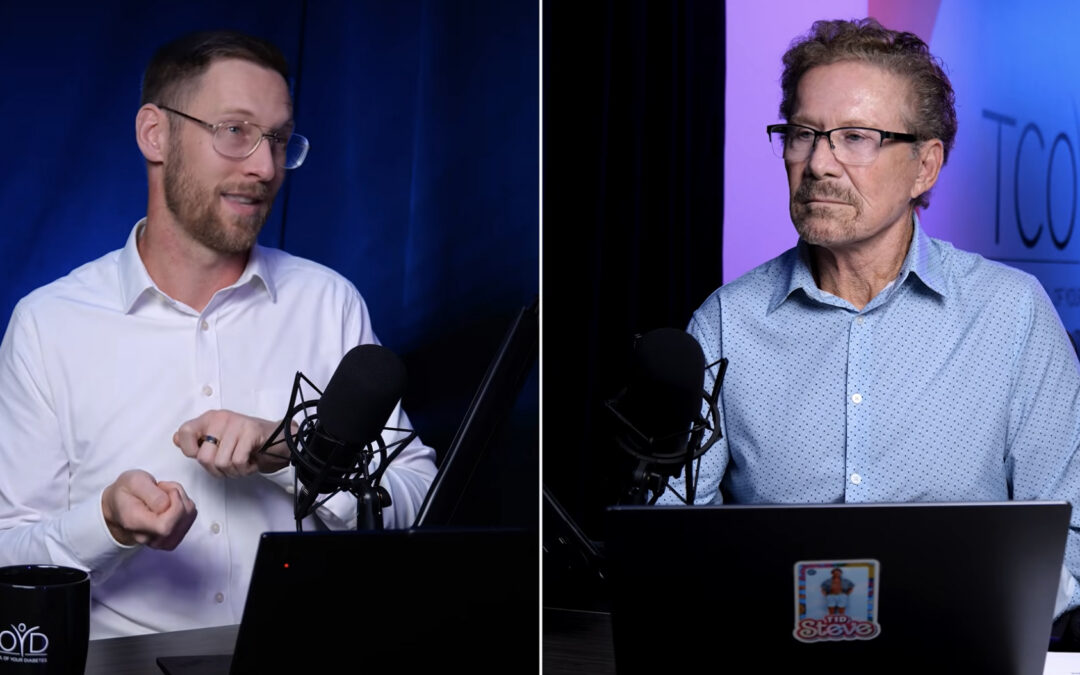
A YouTube discussion from Taking Care of Your Diabetes (TCOYD) on why 4 in 10 people who are diagnosed with Latent Autoimmune Diabetes in Adults (LADA) are told they have Type 2 Diabetes first and the impact of this misdiagnosis on their health and progress.
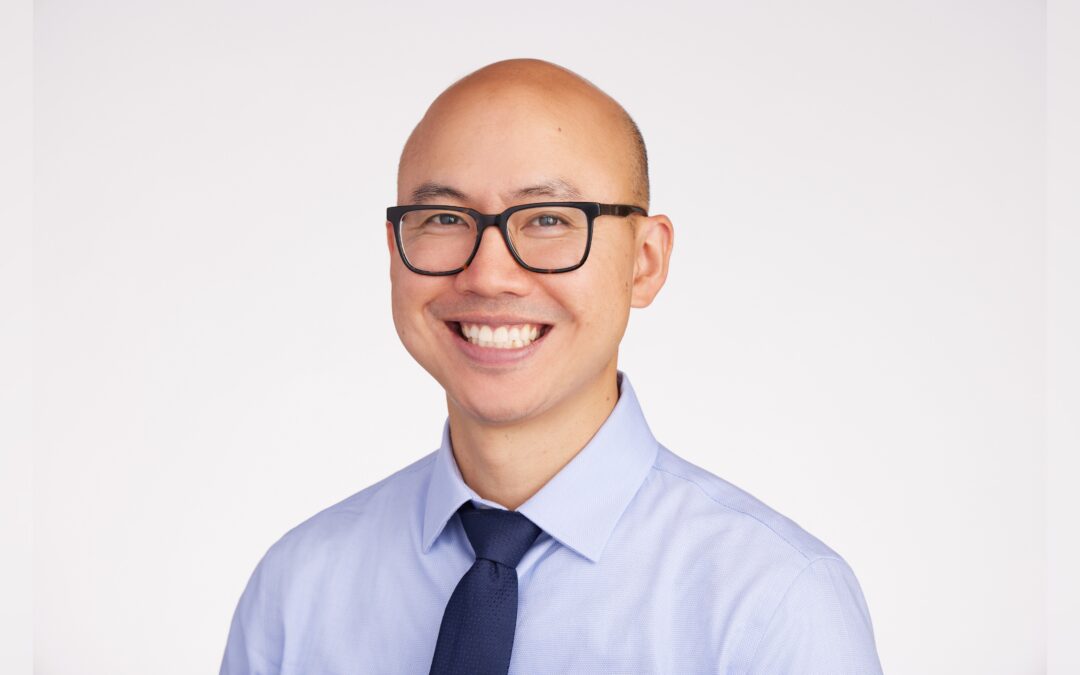
Interview – An Endo’s View: From the Other Side of the Examination Table
I conducted the interview below with my own endocrinologist Dr. David Lam. Our first visit lasted 90 minutes. We talked about diabetes only the last half hour. Lam is smart, tech savvy and responsive. As you might have guessed he is also compassionate, prizes partnership, and sees me as a person, not merely a condition. My husband was impressed when Dr. Lam stayed in text-touch with me, switching me from Lantus to Tresiba, over a weekend. I wanted to understand how he sees our challenges aging with type 1 diabetes and the ones he faces every day working within our industrialized health care system. He didn’t hesitate when I asked for this interview, so here’s an endocrinologist’s view from the other side of the examination table.
The New Science of Brain Workouts, Beyond Sudoku and Crosswords
Forget holding hands—new research reveals a surprising twist in how two people can become a dynamic duo against sudden loss of balance. A recent study, published in the Journal of the Royal Society Interface, demonstrates that when two individuals walk side by side, a rigid link between them dramatically accelerates balance recovery after unexpected slips.
0 Comments