


A Successful Hospital Stay
by David M.
I became ill with double pneumonia in March 2022, and was hospitalized in the Washington, D.C. area for five days at one of the leading hospitals. As a person with Type 1 diabetes (T1D) for over fifty years, I was concerned about my care in the hospital. At the time, I was using the Tandem Tx2 insulin pump along with the Dexcom G6 continuous glucose monitor (CGM).
The hospital endocrinologist and nurses spoke with me so that they could be assured that I was very knowledgeable about T1D and my care with the devices I had. I told them my HbA1C levels regularly ran about 6.0. This reassured them that the pump basal settings and I would keep my glucose levels within or close to the pump’s target range of 75 to 180.
They did not speak to my endocrinologist because they were comfortable that I could manage my diabetes with the approval of the nursing staff. In contrast to the experience of many with T1D who are hospitalized, I was given permission to manage my own T1D care with the oversight of hospital personnel. I was asked to sign a release form that I was assuming legal responsibility for my T1D care.
At the time, we did not discuss what we would do if I needed to treat a low or high blood sugar reading, though I had glucose tablets by my bedside table. If I had had a low glucose reading, I would have taken four glucose tablets of 16 grams of carbohydrates and told a nurse or nurse’s aide. If I had a high glucose level as shown on my pump from a
reading from my CGM, I would have used the insulin pump to calculate a correction bolus and spoken to the nursing staff before I delivered the correction. To my recollection, I did not need to correct during my stay.
Before meals, I was able to deliver boluses with the approval of the nursing staff. I calculated my boluses with my pump once I set the carbohydrate amount. I was required to receive permission for each bolus I programmed into my insulin pump based on the amount of carbohydrates I was going to eat. Luckily, the hospital menu had calculated the number of carbohydrates for each meal selection. Because I could not know when a meal would be delivered – I ordered three meals a day – I waited to bolus until the meal came to my room.
They performed periodic finger pricks to check my blood sugar levels. I was frequently checking my own blood sugar from my CGM on my pump. I was not using the G6 receiver. I was able to change my infusion sites and load my pump with Humalog insulin using supplies my wife brought to me from home.
(Note: For a T1D on a pump, the treatment “plan” is built into the pump settings. My state has no law that lets a T1D control her or his care in a hospital.)
Recent Stories

Webinar – Aging Well with T1D: A Look at Life Plan Communities
Join T1Dto100 for an informative conversation about life plan communities and what they can mean for adults living with Type 1 diabetes. Whether you’re planning ahead for yourself or a loved one, this session breaks down how these communities work and what to look for.
Interview – Hearts Afire: Surviving the 2025 Altadena Wildfire
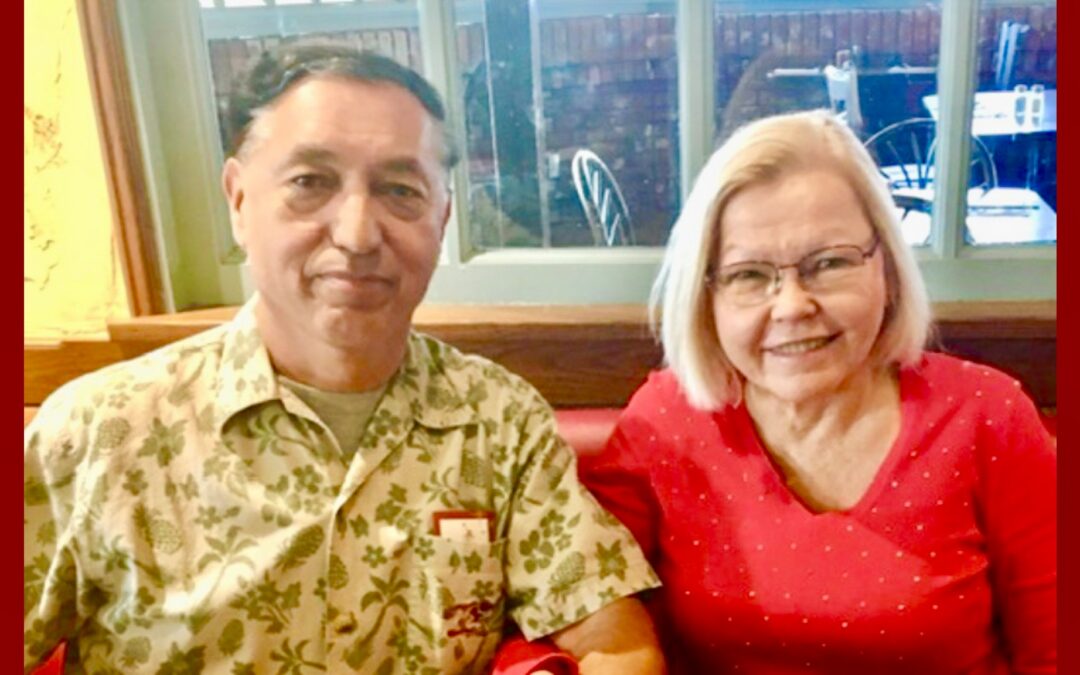
She saw it coming closer on social media and the TV News, she heard the howling winds, but she couldn’t imagine that it could reach all the way to her house. So many previous fires had stayed in the foothills and not ventured into the neighborhoods of Altadena, CA. But as a T1D of 61 years, Dorothy Noe smelled, and then saw, the approaching danger. Over a period of hours on January 7 and 8, 2025, she and her husband had to take action. When she evacuated her house that dark, early morning, she never imagined that she’d never return.

Webinar: Senior Planet From AARP Presents Wellness Wednesday: Emergency Readiness for Diabetes and Beyond
A wellness lunch series from AARP highlighting seniors with diabetes.
What happens to your health management when the power goes out, an earthquake hits, or your luggage goes missing? For anyone living with a medical condition, preparation is a survival strategy. Watch to learn how to build a reliable emergency plan.

Webinar: Proactive Care Planning: Having a Strong Voice in the Future of Your Care — with Wendy Norman, Dr. George Birchfield, and Hilary Walker
Join Dr. George Birchfield and advance care planning specialist Hilary Walker of Known Wishes to learn how planning ahead lets you stay in charge of all your care — including your diabetes — during an emergency, a hospital stay, or at end of life. You’ll walk away with practical tools to make sure your wishes are known, documented, and honored.
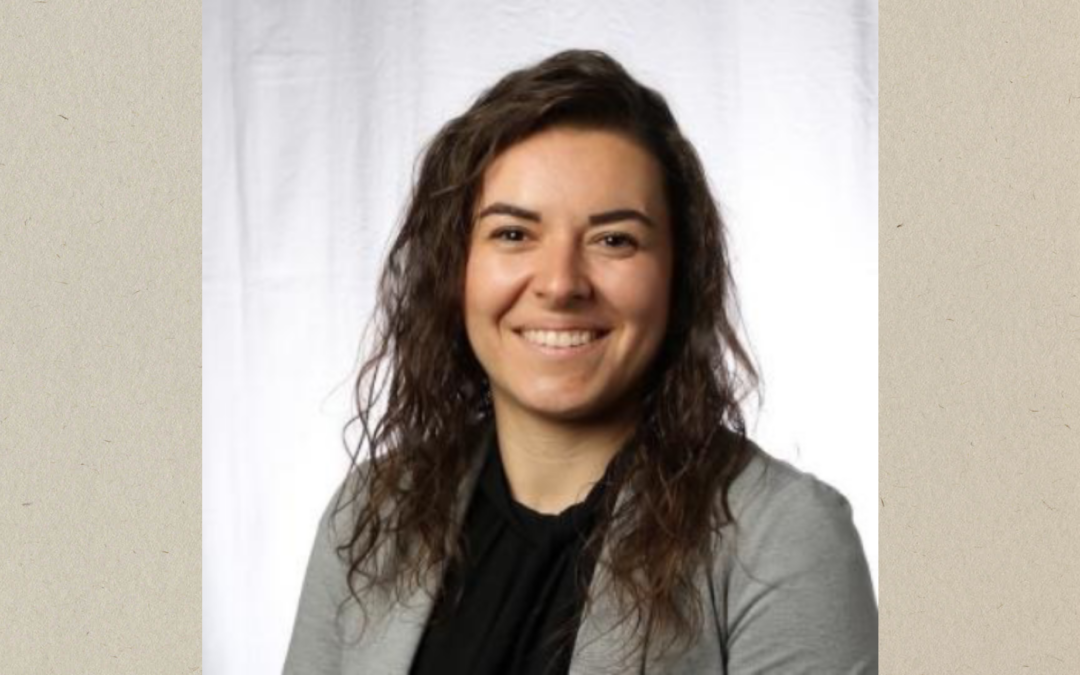
Webinar: A Conversation About Aging and Exercise — with Dr. Dessi Zaharieva, CEP, CDCES
Whether you’re a longtime athlete, easing back into movement, or wondering how exercise needs shift as you age with T1D, this talk is for anyone who wants to keep moving — and keep their blood sugars steady — through every stage of life.
0 Comments