

Beyond the Expiration Date: A Life of Advocacy and Resilience
by Maddy Arnstein
December 6, 2025
Supporting and focusing on Advocacy is one of the pillars of action for T1Dto100.com. Together, we can:
- Advocate for legislative change
- Advocate for policy changes
- Advocate for funding to research, technology development and the cure
- Advocate for our fellow T1Ds
- Advocate for ourselves
“My” Hudson River
The trees outside the window of my apartment in Inwood, NYC, the most northern part of Manhattan next to the Hudson River are losing their leaves on this windy fall day, fluttering wings of gold, red, and brown. I am 65 years old and have lived with Type 1 diabetes for 63 years, diagnosed in 1962 when Mom delivered pork-derived insulin via one glass syringe with a thick needle every morning. Few predicted I would survive past 40 or 50 years as I was growing up. I now advocate with the U.S. Congress for research funding to prevent, treat, and cure this chronic illness because of hope, empowerment, and the determination to be a part of making the world I am lucky to be alive in better.
The Hudson River is fed from the salty Atlantic Ocean and the freshwater of the Lake Tear of the Clouds in the Adirondack Mountains. My early childhood was in Inwood where I now walk through the only natural forest in the city to see the Hudson River. It was here that I was diagnosed at 22 months with T1d.

The Little Red Lighthouse under the George Washington Bridge
There have always been salty elements to my nature. As a toddler, I bit my best friend Laura in the playground. In school, I often read ahead of the teacher to be the first to answer questions while I let other kids cheat off of my tests. Mom always prepared schools to help me manage my insulin peaks during the day and I used my sweet snacks from the cafeterias to barter with my friends for entry into the coolest group of girls. As a teenager, I acted as if I knew everything to hide my anxieties and blood sugar challenges. After high school, I decided I would be a part of curing T1d and headed to an intensive, pre-med program at Johns Hopkins University. Organic Chemistry reduced me to sleepless nights and tears; I was humbled for the first time in my academic life with increasing difficulties managing my moods and blood sugars, all of which still remained hidden.
Breakthrough T1d
I have advocated with Breakthrough T1d for the past decade and learned how to channel my outspoken passion into strategic and targeted action. Through this organization, I realized my T1d story could not only be visible, but be a source of inspiration to many others. Remember when we were young and taking one or two injections of insulin each day (some of us sterilizing and reusing the thick needles) with no clue what our blood glucose was? Remember being told the elusive cure could be available in the next 5 years?
Breakthrough T1d has been advocating for research funding to not only cure but also to improve our treatments and management tools since the 1970s, when I was a rather mercurial teenager. A powerful group of mothers made their way to the U.S. Congress to fund research that would help their children survive with T1d. I decided not to become a mother, in part due to the risk of passing on autoimmunity to my child, and because my mother told me she would not be able to handle it if my health was put in further jeopardy. My career became devoted to supporting children as a special educator, social worker, and volunteer, always striving for equity and inclusion.
Today, the onset of T1d can be delayed. We have access to insulin delivery systems that reduce the disabling and potentially deadly highs and lows I experienced: smart pens, insulin pumps, and continuous glucose monitors, with more technologies on the horizon. The research for new pharmacological solutions to treating eye and kidney diseases is funded. The longitudinal study at the Joselin Diabetes Center in Boston looking at why we are living long lives is funded.
The stem cell research to use our own cells to create Islets of Langerhans cells without immunosuppression and cure T1d is in human trials. Mind boggling to be a small part of the groups who travel to D.C. from all 50 states to reach these achievements. Every year I am invited to advocate with Breakthrough T1d, every year I walk into that hotel conference room and feel the excitement and energy to rejoin my community, I know who I am and why I am still here. The merging tributaries of my life are easier to see now that I have the chance to look back, that chance even doctors said would not happen.

March 1, 2015: with Congressman Charles Rangel
Sheer Grit and Determination
Most of us have lived past our predicted “expiration dates.” For me, those terrifying lows have fortunately been few and infrequent. In 2000, for one very, very low after a nap, when I was still on multiple daily injections, seizing and unable to think or move, I called 9-1-1. In true form and with normal blood glucose, I refused to ride with the paramedics to the hospital. Who knew that an adrenalin surge raises blood glucose? Soon thereafter, my beloved endocrinologist convinced me to learn how to pump insulin.
I have not been hospitalized for T1d since my diagnosis. My eyes and kidneys are fine. I heal well; no limbs have been amputated. Luck? My mother who did an amazing job without all the tools I use now? Good medical care? My gratitude to be alive has increased with each challenge presented by T1d. There is no spreadsheet for paying my life forward.
Most of us are already advocates for ourselves and our loved ones or we appoint someone else to advocate for us when we face challenges with our lives with T1D:
- Some of us will ask questions of professionals.
- A few of us will wonder out loud if there are other ways to solve a particular medical challenge.
- Many of us will seek care when something is wrong and the steps of seeking can be seen as advocating for what we need.
- Hanging up the phone after waiting on hold too long and calling back are two such steps.
- We might not hide our finger sticks, injections, or change of our insulin pump parts.
- Maybe those of us who are uncomfortable speaking up might eventually do so.
- We could write down names of people who are not trying to solve our problems and ask for supervisors.
- We might write a letter expressing our concerns and wishes when something is not right.
- Airport security requires all kinds of creative advocacy strategies.
- We often call our insurance companies to figure out the complexities of coverage and we keep calling until we get what we need.
- Many of us at our jobs will arrange a point person in case we go low. We are legally protected by the Americans with Disabilities Act.
- If needed, we might plan how to leave our work areas and arrange for coverage for those 15-20 minutes after eating sugar.
- Some of us will take our sick days and resist supervisory restrictions.
- We join groups of folks like us, often developing action plans for each other and our communities.
- We exercise, speak up to customize our exercise, and figure out how to create a support team as needed.
- Strategically disclosing that we live with T1D is an element of advocacy.
- Who, when, and why we teach others about what we manage is also advocating.
For thousands of years, the Hudson River has provided ecosystems and nourishment for all who have lived in her waters and along her shores. She has flooded and receded as the rains drenched the earth and as the tides swelled from the ocean. I would like to believe that my advocacy for myself and others flows directly from my life with T1d, from my passion, compassion, resilience, and persistence. I can only hope that the progress we all make together will create a stronger world for all those who are diagnosed with T1d in future generations until there is a cure.
To join further advocacy efforts regarding T1D, please consider:
This Website: T1Dto100 (https://t1dto100.com/)
Breakthrough T1D (https://www.breakthrought1d.org/)
- Formerly known as JDRF
- Mission: to accelerate breakthrough therapies and cure research for T1D, while improving the daily lives of people living with T1D
- Activities: funding research, influencing public policy and federal research funding, supporting access to treatment and technology, community and patient support
- Organize grassroots advocacy: meetings with lawmakers, public education, and connect researchers, clinicians, industry, and the T1D community
Juvenile Diabetes Cure Alliance (JDCA) (https://www.thejdca.org/)
- A 501(c)(3) nonprofit devoted to pushing for a “practical cure” for T1D in as near-term a timeframe as possible
- Focus: advocating for increased allocation of research funding specifically toward cure-oriented research, and publishing regular reports on progress (or lack thereof)
- Engages donors and activists who want their contributions focused strictly on cure research rather than broader diabetes programs
Diabetes Patient Advocacy Coalition (https://www.diabetespac.org/)
- Mission: To ensure quality of and access to care, medications, and devices for people living with diabetes; and to educate, inspire, and empower patient advocates as well as lawmakers toward meaningful action on diabetes
- Focus: elevates the patient voice to influence policy at the state and federal levels to improve the lives of people impacted by diabetes
- T1D and T2D

The Hudson River: Fall 2025
Recent Stories & News

Choosing Your 2027 Medicare Plan: An Open Enrollment Guide for People with Type 1 Diabetes
We have created this guide on how to choose your 2027 medicare plan including important dates, commons mistakes, and a checklist of things to do. There are also special insights on what you need to keep in mind, programs that could be helpful, and changes from the previous year. Read the full article for everything you need to know!
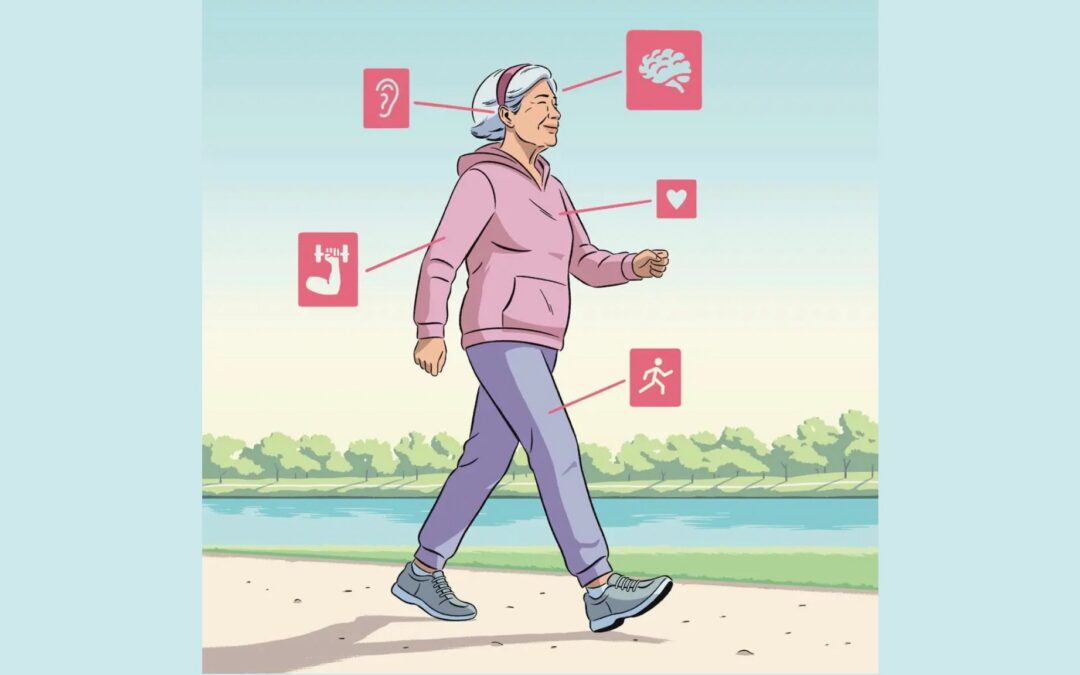
Intrinsic Capacity: The Most Important Longevity Term You’ve Probably Never Heard Of
Intrinsic Capacity is a new term experts are hoping to use to determine a person’s overall health in an effort to implement interventions for a longer, healthier, and happier life. Intrinsic Capacity is measured in five different key areas including cognition, locomotion, sensory capacity, psychological well-being, and vitality. Several studies are being implemented across the US to learn more on how to improve the accuracy of this metric and use it, eventually, for all ages.
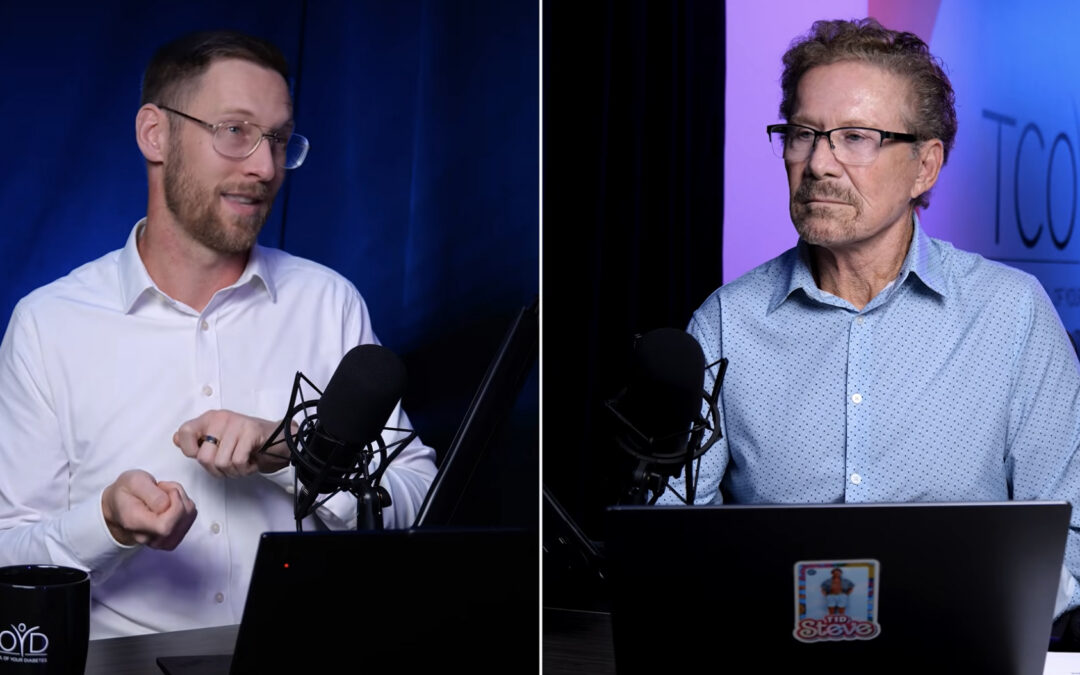
LADA: Why So Many Adults Are Misdiagnosed With Type 2 Diabetes
A YouTube discussion from Taking Care of Your Diabetes (TCOYD) on why 4 in 10 people who are diagnosed with Latent Autoimmune Diabetes in Adults (LADA) are told they have Type 2 Diabetes first and the impact of this misdiagnosis on their health and progress.
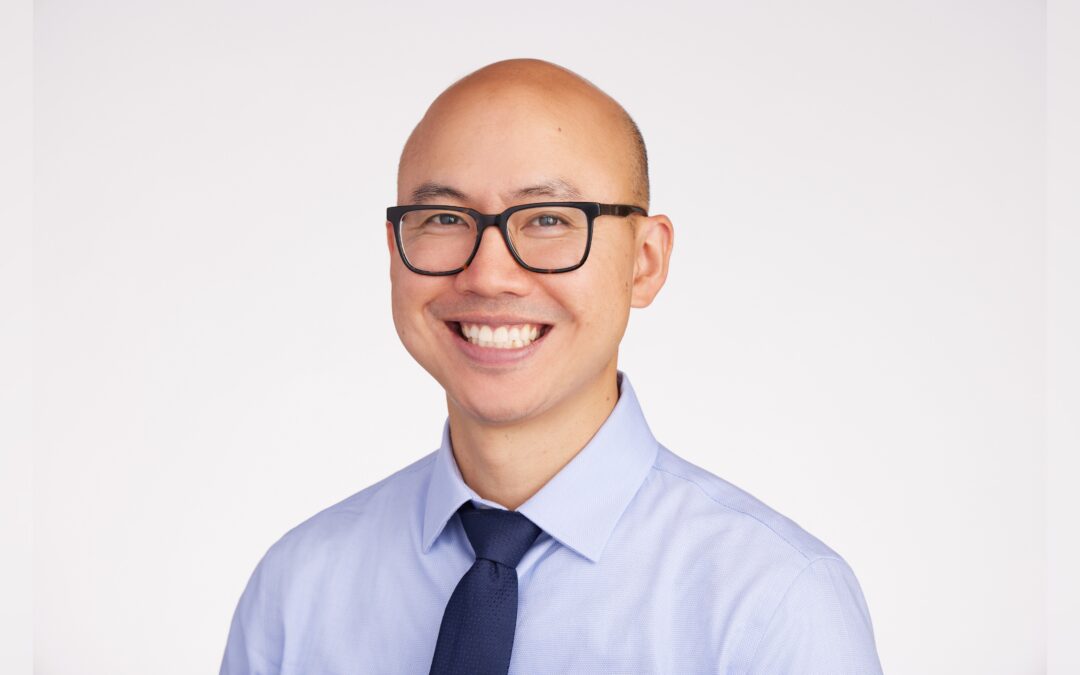
Interview – An Endo’s View: From the Other Side of the Examination Table
I conducted the interview below with my own endocrinologist Dr. David Lam. Our first visit lasted 90 minutes. We talked about diabetes only the last half hour. Lam is smart, tech savvy and responsive. As you might have guessed he is also compassionate, prizes partnership, and sees me as a person, not merely a condition. My husband was impressed when Dr. Lam stayed in text-touch with me, switching me from Lantus to Tresiba, over a weekend. I wanted to understand how he sees our challenges aging with type 1 diabetes and the ones he faces every day working within our industrialized health care system. He didn’t hesitate when I asked for this interview, so here’s an endocrinologist’s view from the other side of the examination table.

The New Science of Brain Workouts, Beyond Sudoku and Crosswords
Forget holding hands—new research reveals a surprising twist in how two people can become a dynamic duo against sudden loss of balance. A recent study, published in the Journal of the Royal Society Interface, demonstrates that when two individuals walk side by side, a rigid link between them dramatically accelerates balance recovery after unexpected slips.
0 Comments