

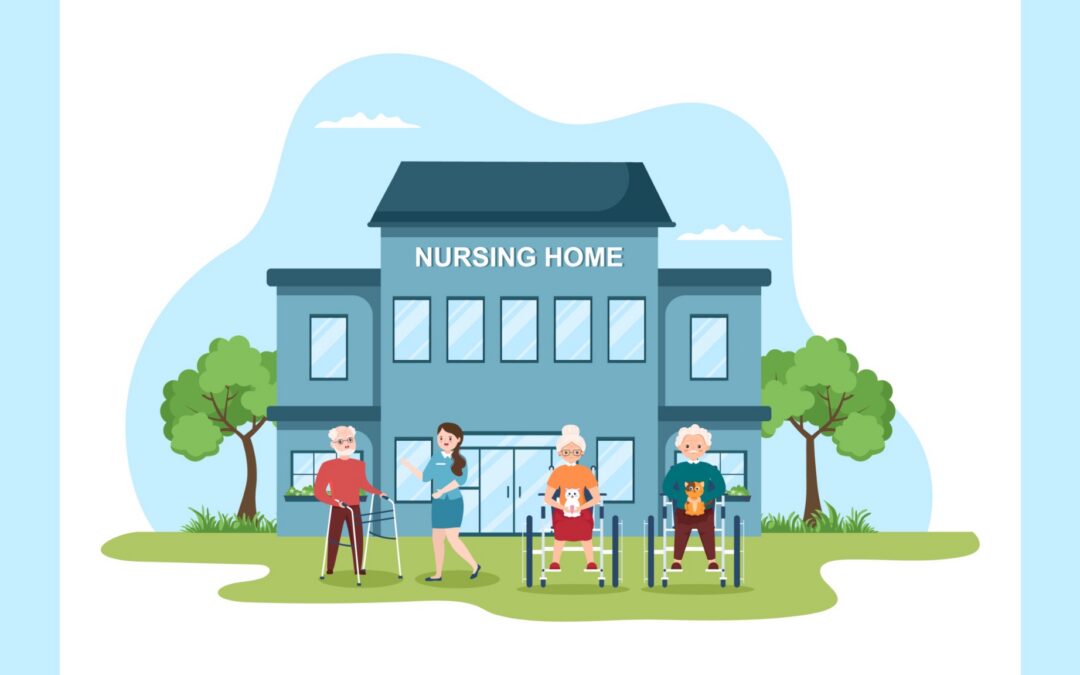
Research Study – A Successful Diabetes Management Model of Care in Long-Term Care Facilities
This study, published in the Journal of the American Medical Directors Association (JAMDA) in 2021, describes a practical diabetes care program developed and tested in six long-term care facilities. Rather than focusing only on blood sugar targets, the program trained nurses and other staff to recognize diabetes problems early, screen every new resident for their risk of high or low blood glucose, and follow standardized care protocols while tailoring treatment to each resident’s individual needs.
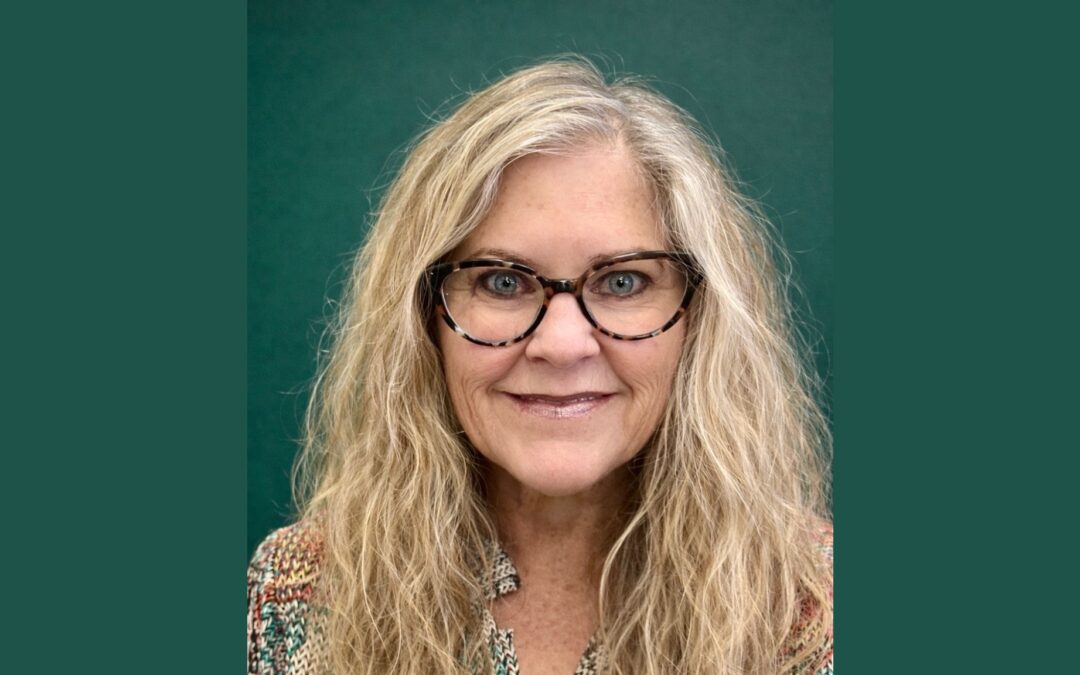
Webinar – Let’s Talk T1D & Mental Health with Jenna Eisenberg
In this first session, Jenna will introduce how mental health and diabetes affect each other, share a few practical tools you can use right away, and open it up for Q&A. This is just the beginning. Future calls will go deeper into burnout, distress, body image, family support, and more.
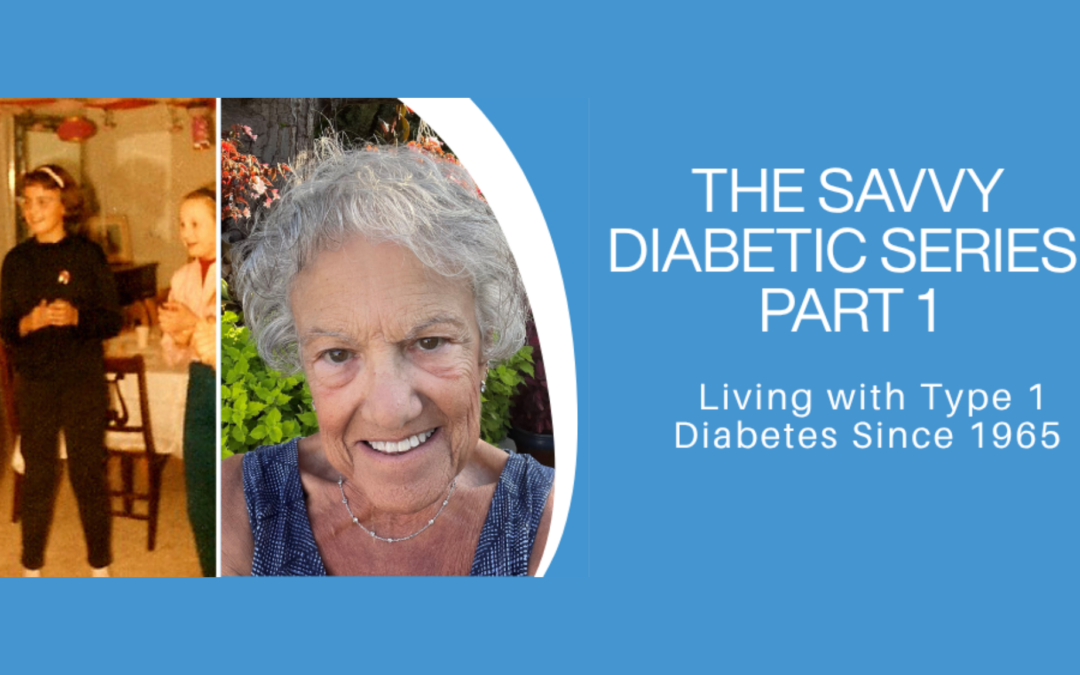
Diabetes Research Connection – The Savvy Diabetic Series, Part 1: Living with Type 1 Diabetes Since 1965
More adults are reaching older age with type 1 diabetes (T1D) than ever before, yet research, hospital care, and long-term support systems have not kept pace with their needs. Joanne Milo, diagnosed in 1965, is pushing for change through advocacy, research discussions, and her platform T1D to 100. As the population of older adults living with T1D grows, she argues that the health care system must respond with better data, better training, and better infrastructure.

T1DStrong – Aging with Type 1 Diabetes: Joanne Milo on Research Gaps and Systems Reform
More adults are reaching older age with type 1 diabetes (T1D) than ever before, yet research, hospital care, and long-term support systems have not kept pace with their needs. Joanne Milo, diagnosed in 1965, is pushing for change through advocacy, research discussions, and her platform T1D to 100. As the population of older adults living with T1D grows, she argues that the health care system must respond with better data, better training, and better infrastructure.
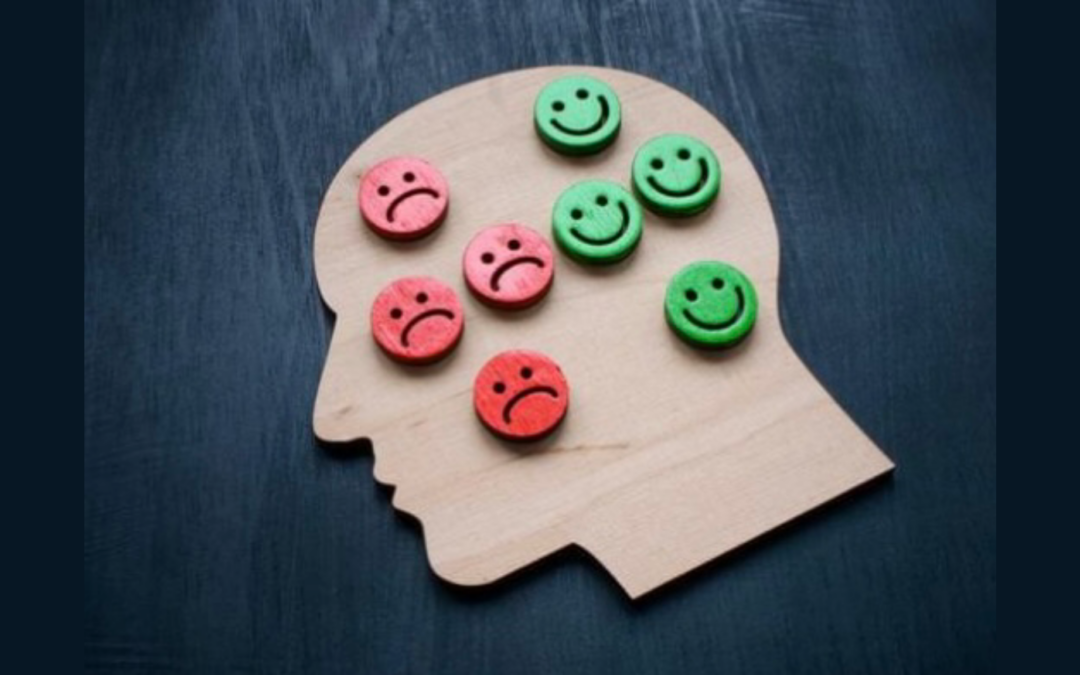
A Negative Attitude Towards Aging is Making You Age Faster
A growing body of research shows that how we think about aging can directly impact how well we age. Studies have found that people who hold negative beliefs about getting older tend to experience faster physical, mental, and cognitive decline. In contrast, those with more positive attitudes toward aging are more likely to stay active, eat well, and maintain better overall health outcomes.