by t1dto100 | Jun 30, 2026 | In The News, Healthy Aging, Living Options
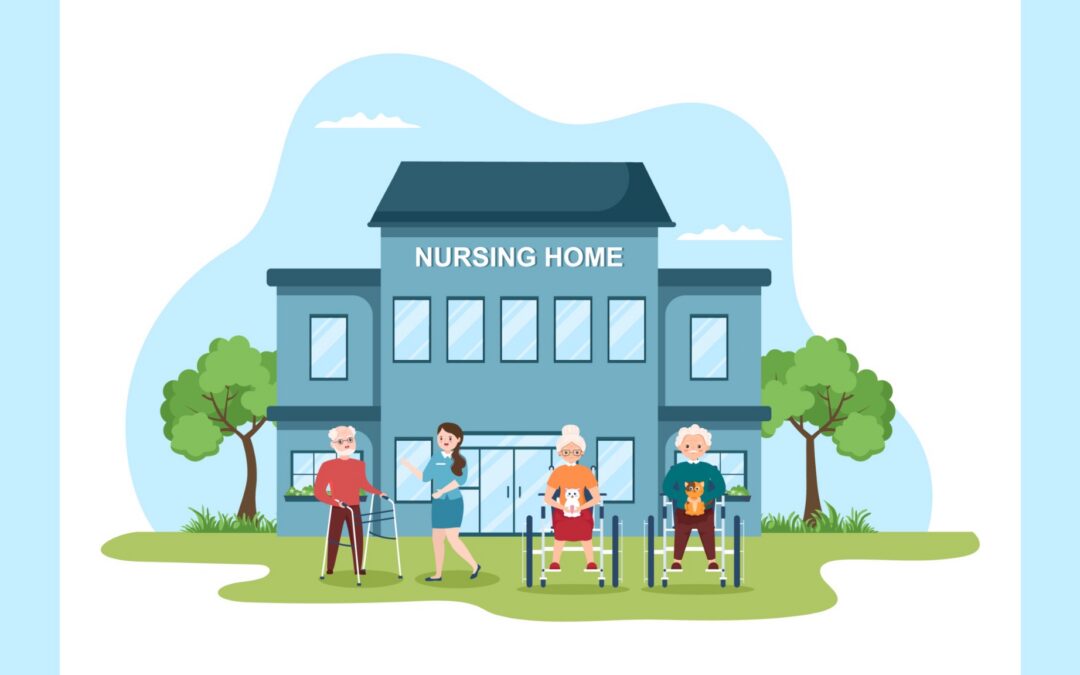
This study, published in the Journal of the American Medical Directors Association (JAMDA) in 2021, describes a practical diabetes care program developed and tested in six long-term care facilities. Rather than focusing only on blood sugar targets, the program trained nurses and other staff to recognize diabetes problems early, screen every new resident for their risk of high or low blood glucose, and follow standardized care protocols while tailoring treatment to each resident’s individual needs.
by t1dto100 | May 1, 2026 | In The News, Advocacy
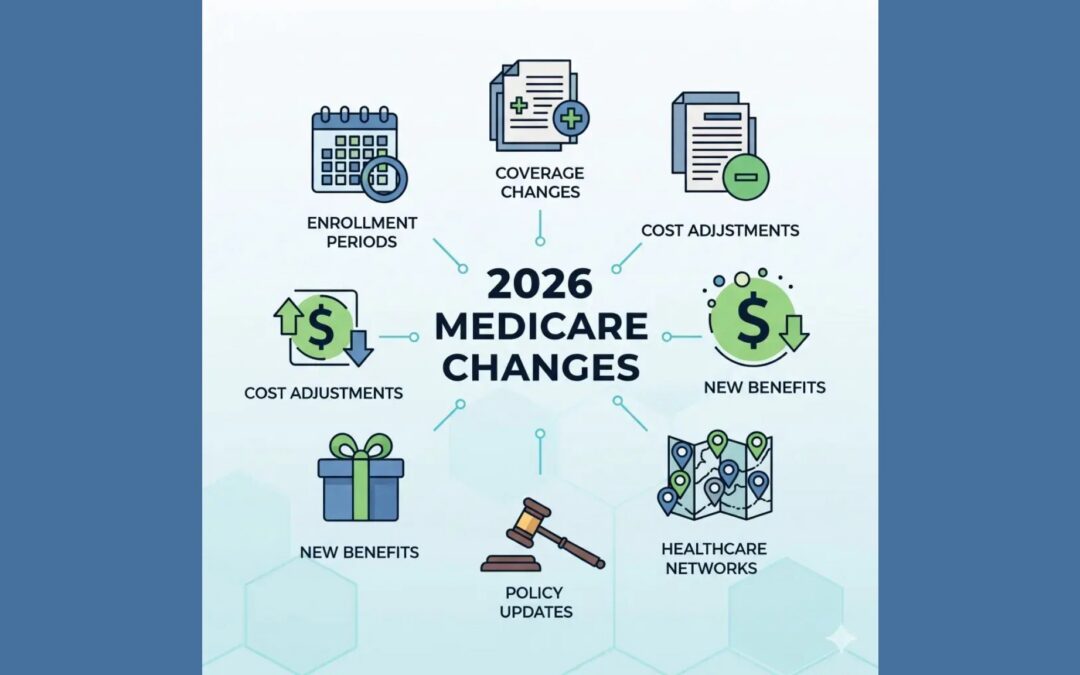
This article is about what’s actually happening with Medigap premiums in 2026, what’s changing in Medicare’s diabetes coverage (some of it genuinely good), and the financial assistance programs that thousands of older adults with T1D qualify for but never use because no one tells them about them.

by t1dto100 | Apr 19, 2026 | Humor/Coping, In The News
These days, as Ms. Wintour wrote in the magazine, “I feel age is actually an advantage.” Or so it is beginning to seem in fashion. According to data from the fashion search engine Tagwalk, 5 percent of the top 20 brands included at least one curve, or plus-size, model in their runway shows, but 100 percent included an older model.

by t1dto100 | Apr 7, 2026 | In The News
Qualifying for Medicaid’s long-term care coverage requires very low income and minimal assets: an unplanned long-term stay can drain a family’s resources within a couple of years. Eldercare experts recommend a strategy known as a Medicaid “spend down” — systematically and transparently using a person’s assets on appropriate expenses (like prepaying for a funeral, paying down a mortgage, or covering nursing home costs out of pocket) to reach Medicaid eligibility sooner.

by t1dto100 | Apr 4, 2026 | In The News, Healthy Aging, Humor/Coping
A growing body of research shows that how we think about aging can directly impact how well we age. Studies have found that people who hold negative beliefs about getting older tend to experience faster physical, mental, and cognitive decline. In contrast, those with more positive attitudes toward aging are more likely to stay active, eat well, and maintain better overall health outcomes.

by t1dto100 | Apr 1, 2026 | In The News, Caregiving, Diabetes Technology, Living Options
Companies and health systems are offering hospital-at-home services, but before committing to any one, here are a few things you should know.