


Inflammation and Aging … or “Inflammaging”
Is “chronic, smoldering low-grade inflammation” associated with many health issues?
Excerpts from a news item in the Washington Post,” Is ‘inflammaging’ part of getting older? Here’s what experts say,” written by Richard Sima and published 12 October 2025.
As we age, we tend to have more aches, pains, and diseases. Researchers believe that some of these may be related to persistent inflammation. They call it “inflammaging” — age-related inflammation, which is present even in the absence of injury or illness.
It is considered a hallmark of aging and is characterized by a “chronic, smoldering low-grade inflammation,” said Vishwa Deep Dixit, a professor of pathology and immunobiology and the director of the Yale Center for Research on Aging.
This chronic smoldering is unfortunately associated with a host of health issues, but new research suggests that not everyone may experience inflammaging. Some Indigenous people don’t seem to get inflammaging at all compared with people in industrialized countries.
Either way, researchers are studying how to curb this type of inflammation to stave off its health effects. Understanding inflammaging is crucial for understanding the biology of aging and what we “can do to stall the degenerative diseases that emerge from inflammaging,” Dixit said.
What causes inflammaging
Normally, inflammation is important to our bodies mounting an immune defense when we get an infection or injury and shutting off when the threat passes.
With inflammaging, however, inflammation persists even when there is no infection to fight. (“The purpose of this inflammation is actually still unclear,” Dixit said.)
A major source of the smoldering, inflammatory signals seems to be stressed out, damaged cells that release proteins indicating “something is not going well,” said Alan Cohen, an associate professor of environmental health sciences at Columbia University’s Mailman School of Public Health.
“As we age, our internal stressors increase. This is more or less inevitable. Something is not going well. In any species that ages, something is not functioning as well with age,” he said.
Inflammaging and health
Inflammaging has been strongly associated with several age-related health conditions, including atherosclerosis, cardiovascular diseases, diabetes, frailty, dementia and death. Inflammaging (as we know it) is not universal.
In a recent study, Cohen and his colleagues found that inflammaging — at least as commonly measured with cytokines — is not universal and appears to be associated with an industrialized lifestyle.
How to manage inflammaging
A healthier lifestyle in your younger years will benefit you in your older years.
“Life is interesting in that sometimes it starts sending you a bill for the things you did 20 years earlier,” Vaccari said. Older people who already have high inflammation could adopt more targeted approaches to address the root causes of inflammation, Cohen said.
Here’s the link to the article: Is ‘inflammaging’ part of getting older? Here’s what experts say.
(May require subscription to The Washington Post, washingtonpost.com)
Recent Stories & News

Choosing Your 2027 Medicare Plan: An Open Enrollment Guide for People with Type 1 Diabetes
We have created this guide on how to choose your 2027 medicare plan including important dates, commons mistakes, and a checklist of things to do. There are also special insights on what you need to keep in mind, programs that could be helpful, and changes from the previous year. Read the full article for everything you need to know!
Intrinsic Capacity: The Most Important Longevity Term You’ve Probably Never Heard Of
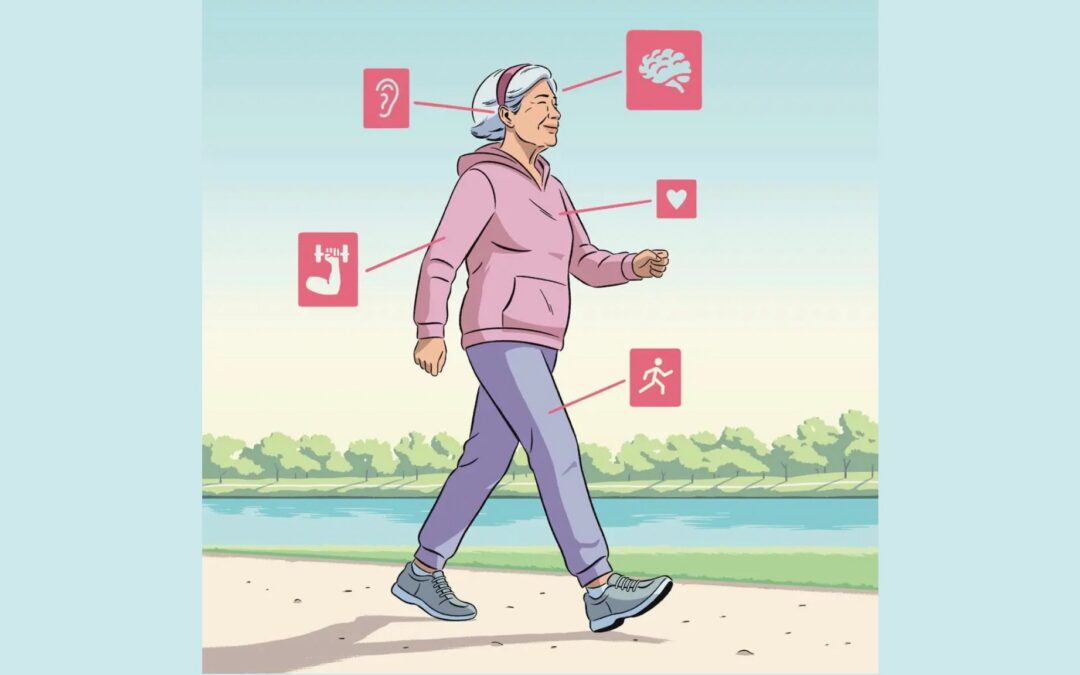
Intrinsic Capacity is a new term experts are hoping to use to determine a person’s overall health in an effort to implement interventions for a longer, healthier, and happier life. Intrinsic Capacity is measured in five different key areas including cognition, locomotion, sensory capacity, psychological well-being, and vitality. Several studies are being implemented across the US to learn more on how to improve the accuracy of this metric and use it, eventually, for all ages.

LADA: Why So Many Adults Are Misdiagnosed With Type 2 Diabetes
A YouTube discussion from Taking Care of Your Diabetes (TCOYD) on why 4 in 10 people who are diagnosed with Latent Autoimmune Diabetes in Adults (LADA) are told they have Type 2 Diabetes first and the impact of this misdiagnosis on their health and progress.

Interview – An Endo’s View: From the Other Side of the Examination Table
I conducted the interview below with my own endocrinologist Dr. David Lam. Our first visit lasted 90 minutes. We talked about diabetes only the last half hour. Lam is smart, tech savvy and responsive. As you might have guessed he is also compassionate, prizes partnership, and sees me as a person, not merely a condition. My husband was impressed when Dr. Lam stayed in text-touch with me, switching me from Lantus to Tresiba, over a weekend. I wanted to understand how he sees our challenges aging with type 1 diabetes and the ones he faces every day working within our industrialized health care system. He didn’t hesitate when I asked for this interview, so here’s an endocrinologist’s view from the other side of the examination table.

The New Science of Brain Workouts, Beyond Sudoku and Crosswords
Forget holding hands—new research reveals a surprising twist in how two people can become a dynamic duo against sudden loss of balance. A recent study, published in the Journal of the Royal Society Interface, demonstrates that when two individuals walk side by side, a rigid link between them dramatically accelerates balance recovery after unexpected slips.
0 Comments