


Navigating the Intersection of Breast Cancer and Type 1 Diabetes
A Journey of Resilience and Advocacy
By Laurie Harper, T1D for more than 70 years
My life has been profoundly impacted by managing Type 1 Diabetes since the age of two, alongside my battle with breast cancer ten years ago. As a mother who underwent three C-sections, I learned the importance of careful diabetes management. During my pregnancies, I was fortunate to have a knowledgeable endocrinologist who guided me through the complexities of managing my blood sugar levels. However, when I was diagnosed with breast cancer, that endocrinologist had retired, leaving me to navigate this new challenge without their expertise.
During my breast cancer surgery, my glucose levels were not adequately monitored, resulting in a dangerous spike over 400. This mismanagement led to a serious infection and the removal of my implant. Following the initial surgery, I faced three additional procedures, the last being in 2024 for a hernia caused by the reconstructive surgery.
After surgery, I was on morphine, which left me groggy and unable to manage my own care. At that critical moment, my daughter took over the responsibility of managing my insulin through my pump. Unfortunately, the operating room staff were unfamiliar with how to use my insulin pump, adding another layer of concern during an already stressful time. Thankfully, during my last surgery, I had an endocrinologist present who was able to provide insulin when glucagon was administered for nausea. This proactive management greatly improved my blood sugar control and overall recovery.
It is crucial to emphasize that anyone using insulin, whether they are Type 1 or Type 2 diabetics, needs to be closely monitored, especially during medical procedures. Additionally, anyone undergoing surgery would benefit from wearing a continuous glucose monitor (CGM). High blood sugar can happen to anyone, particularly when glucose is administered during surgery to prevent nausea. High blood sugars can lead to serious complications, such as infections, which place a costly burden on the healthcare system. Many individuals aging with diabetes face significant challenges and often lack necessary support when they need it most. This gap in care can lead to serious complications, as I experienced firsthand.
Moreover, the lack of proper monitoring during surgery not only impacts patient health, but also leads to increased costs for insurance providers. When blood sugar levels are not managed effectively, the subsequent complications can result in extended hospital stays, additional surgeries, and increased medical interventions—all of which burden the healthcare system financially. Addressing these gaps in care could ultimately save insurance companies significant amounts by preventing complications that require costly treatments.
My journey has underscored the urgent need for comprehensive diabetes management in surgical settings, particularly for patients with complex health needs. It highlights the critical importance of ensuring that healthcare providers are adequately trained to monitor blood sugar levels, especially when administering interventions like glucose to prevent nausea. This experience reinforces the call for more endocrinologists, nurses, and diabetes educators to be available in surgical environments, where their expertise can significantly improve patient outcomes. As we advocate for better integration of diabetes care into surgical procedures, we can help prevent complications that not only affect individual patients but also place a tremendous financial strain on the healthcare system.
Ensuring that diabetes management is prioritized during surgery requires proactive communication and preparation. Here are several strategies that patients can adopt:
- Preoperative Consultation: Schedule a meeting with your endocrinologist or diabetes care team well before the surgery. Discuss your medical history, medication regimen, and any specific concerns related to managing your blood sugar during the procedure.
- Informing the Surgical Team: On the day of the surgery, make sure to inform the surgical team about your diabetes. Bring a copy of your diabetes management plan, including your insulin regimen and any specific instructions from your endocrinologist.
- Continuous Glucose Monitoring (CGM): If you use a CGM, ensure that the surgical team is aware of it and understands how to interpret the readings. If possible, advocate for the use of the CGM during the surgery to monitor your blood sugar levels continuously.
- Designating a Caregiver: Assign a family member or friend to be your advocate during the procedure. This person can communicate your diabetes needs to the medical staff, especially if you’re unable to do so due to anesthesia or medication effects.
- Postoperative Follow-Up: After the surgery, continue to communicate with your healthcare team about your recovery and any fluctuations in blood sugar levels. This will help you receive the necessary support and interventions if complications arise.
By taking these steps, patients can help ensure that their diabetes management is prioritized, reducing the risk of infection, and improving overall outcomes.
Recent Stories

Choosing Your 2027 Medicare Plan: An Open Enrollment Guide for People with Type 1 Diabetes
We have created this guide on how to choose your 2027 medicare plan including important dates, commons mistakes, and a checklist of things to do. There are also special insights on what you need to keep in mind, programs that could be helpful, and changes from the previous year. Read the full article for everything you need to know!
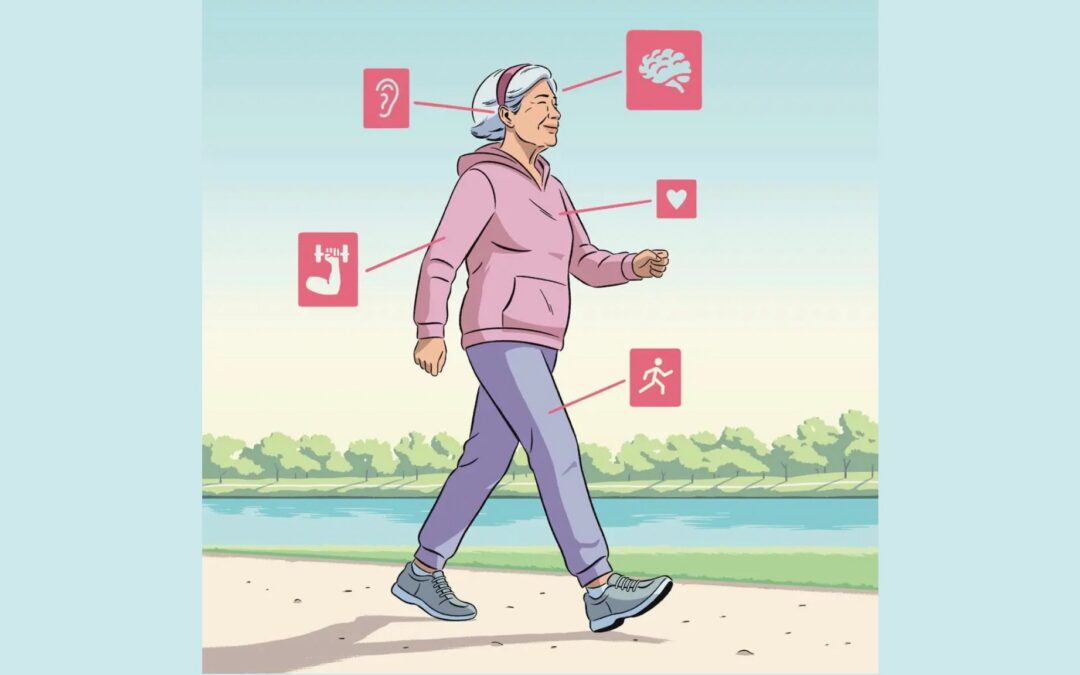
Intrinsic Capacity: The Most Important Longevity Term You’ve Probably Never Heard Of
Intrinsic Capacity is a new term experts are hoping to use to determine a person’s overall health in an effort to implement interventions for a longer, healthier, and happier life. Intrinsic Capacity is measured in five different key areas including cognition, locomotion, sensory capacity, psychological well-being, and vitality. Several studies are being implemented across the US to learn more on how to improve the accuracy of this metric and use it, eventually, for all ages.
LADA: Why So Many Adults Are Misdiagnosed With Type 2 Diabetes
A YouTube discussion from Taking Care of Your Diabetes (TCOYD) on why 4 in 10 people who are diagnosed with Latent Autoimmune Diabetes in Adults (LADA) are told they have Type 2 Diabetes first and the impact of this misdiagnosis on their health and progress.

Interview – An Endo’s View: From the Other Side of the Examination Table
I conducted the interview below with my own endocrinologist Dr. David Lam. Our first visit lasted 90 minutes. We talked about diabetes only the last half hour. Lam is smart, tech savvy and responsive. As you might have guessed he is also compassionate, prizes partnership, and sees me as a person, not merely a condition. My husband was impressed when Dr. Lam stayed in text-touch with me, switching me from Lantus to Tresiba, over a weekend. I wanted to understand how he sees our challenges aging with type 1 diabetes and the ones he faces every day working within our industrialized health care system. He didn’t hesitate when I asked for this interview, so here’s an endocrinologist’s view from the other side of the examination table.

The New Science of Brain Workouts, Beyond Sudoku and Crosswords
Forget holding hands—new research reveals a surprising twist in how two people can become a dynamic duo against sudden loss of balance. A recent study, published in the Journal of the Royal Society Interface, demonstrates that when two individuals walk side by side, a rigid link between them dramatically accelerates balance recovery after unexpected slips.
0 Comments