


The One Quality Most “Super-Agers” Share
7 August 2025
Super-agers are a diverse bunch; they don’t share a magic diet, exercise regimen or medication. But the one thing that does unite them is “how they view the importance of social relationships,” said Sandra Weintraub, a professor of psychiatry and behavioral sciences at the Northwestern Feinberg School of Medicine, who has been involved in the research since the start. “And personality-wise, they tend to be on the extroverted side.”
This doesn’t surprise Ben Rein, a neuroscientist and the author of the forthcoming book, Why Brains Need Friends: The Neuroscience of Social Connection. “People who socialize more are more resistant to cognitive decline as they get older,” Dr. Rein said. And, he added, they “have generally larger brains.”
Researchers believe that this may be because socializing can help protect against declines in brain volume that occur with age and isolation. Loneliness, which is particularly common in older adults, can increase levels of the stress hormone cortisol, and if cortisol is elevated for long periods of time, it can lead to chronic inflammation. That, in turn, could damage brain cells and even increase the risk for dementia.
By being more social in old age, super-agers may be able to avert some of the atrophy. An analysis included in the new paper supports this finding: The brain volume of super-agers tends to be more comparable to that of 50- and 60-year-olds than to their octogenarian and nonagenarian peers.
Another notable difference is that super-ager brains tend to have more of a special type of cell, called von Economo neurons, that is thought to be important for social behaviors and is only found in highly social mammals — namely apes, elephants, whales, and humans.
Recent Stories & News

Choosing Your 2027 Medicare Plan: An Open Enrollment Guide for People with Type 1 Diabetes
We have created this guide on how to choose your 2027 medicare plan including important dates, commons mistakes, and a checklist of things to do. There are also special insights on what you need to keep in mind, programs that could be helpful, and changes from the previous year. Read the full article for everything you need to know!
Intrinsic Capacity: The Most Important Longevity Term You’ve Probably Never Heard Of
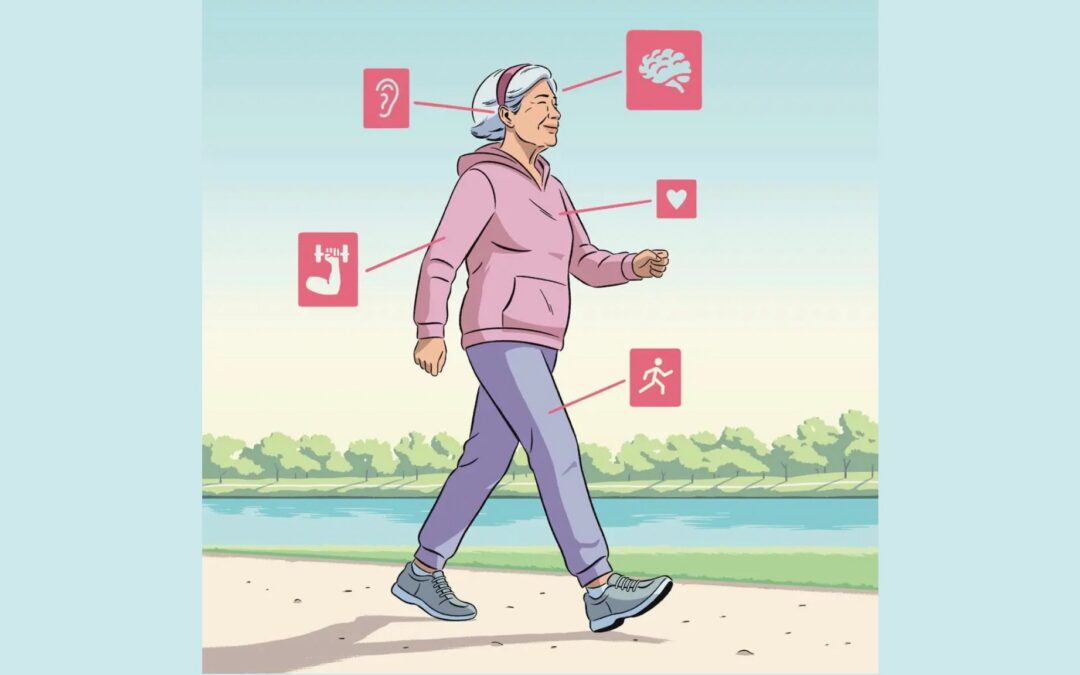
Intrinsic Capacity is a new term experts are hoping to use to determine a person’s overall health in an effort to implement interventions for a longer, healthier, and happier life. Intrinsic Capacity is measured in five different key areas including cognition, locomotion, sensory capacity, psychological well-being, and vitality. Several studies are being implemented across the US to learn more on how to improve the accuracy of this metric and use it, eventually, for all ages.

LADA: Why So Many Adults Are Misdiagnosed With Type 2 Diabetes
A YouTube discussion from Taking Care of Your Diabetes (TCOYD) on why 4 in 10 people who are diagnosed with Latent Autoimmune Diabetes in Adults (LADA) are told they have Type 2 Diabetes first and the impact of this misdiagnosis on their health and progress.

Interview – An Endo’s View: From the Other Side of the Examination Table
I conducted the interview below with my own endocrinologist Dr. David Lam. Our first visit lasted 90 minutes. We talked about diabetes only the last half hour. Lam is smart, tech savvy and responsive. As you might have guessed he is also compassionate, prizes partnership, and sees me as a person, not merely a condition. My husband was impressed when Dr. Lam stayed in text-touch with me, switching me from Lantus to Tresiba, over a weekend. I wanted to understand how he sees our challenges aging with type 1 diabetes and the ones he faces every day working within our industrialized health care system. He didn’t hesitate when I asked for this interview, so here’s an endocrinologist’s view from the other side of the examination table.
The New Science of Brain Workouts, Beyond Sudoku and Crosswords
Forget holding hands—new research reveals a surprising twist in how two people can become a dynamic duo against sudden loss of balance. A recent study, published in the Journal of the Royal Society Interface, demonstrates that when two individuals walk side by side, a rigid link between them dramatically accelerates balance recovery after unexpected slips.
0 Comments