
Other Essential and Helpful Information and Tools
We’ve been there—facing a hospital stay, a health scare, or just the worry of “what if.”
That’s why this section is packed with tools we’ve found helpful ourselves: how to safely switch from a pump to injections, a sick day checklist, a step-by-step guide to creating your own Personal Medical Resume, and a Life Planning Worksheet that gently walks through the stages of health, from thriving to end-of-life.
You’ll also find tips for organizing healthcare directives, estate documents, and building a team of advocates who truly understand your wishes.
Because planning ahead isn’t about fear—it’s about dignity, strength, and peace of mind.
Additional Resources
Extended Emergency Go Bag for Insulin-Using Diabetics
Guide on how to put together a larger go bag for T1Ds who require insulin.
Preparedness Resources
Additional preparation resources.
Essential Packing List for Traveling with Type 1 Diabetes
Supplies and documentations to carry for people traveling with T1D.
Medical IDs
Reviews of medical bracelets and other IDs and their advantages and disadvantages.
Instructions for Emergency Contacts in Android Smartphones
Step-by-step instructions of how to add emergency contacts in Android phones.
Instructions for Emergency Contacts in iOS (iPhone) Smartphones
Step-by-step instructions of how to add emergency contacts in iPhones.
Taking a Pumpcation or Pump Failure
How to temporarily switch from an insulin pump to injections (and back again).
Switching from Pump to Multiple Daily Injections
Guide on how to transition from an insulin pump to multiple daily injections
Sick Day Checklist
Printable checklist for how to survive a sick day.
Planning Ahead: Advance Directives & Estate Organizers
How to plan for medical situations so your loved ones don’t have to make these difficult decisions for you.
Last updated 07/22/2025.
Recent Stories
Webinar: Conquering Fear and Embracing Life with Dr. Mark Heyman
Dr. Mark Heyman, PhD, CDCES, is a diabetes psychologist and Certified Diabetes Care and Education Specialist who has lived with T1D since 1999. He is the founder of the Center for Diabetes & Mental Health (CDMH) in San Diego, specializing in evidence-based mental health support and emotional challenges for people with diabetes. Mark’s practice and programs are focused on helping people with T1D address the emotional burden, burnout, and fear associated with the condition.
A Medicaid ‘Spend Down’ May Get an Older Person Long-Term Care Coverage But isn’t a DIY Strategy
Qualifying for Medicaid’s long-term care coverage requires very low income and minimal assets: an unplanned long-term stay can drain a family’s resources within a couple of years. Eldercare experts recommend a strategy known as a Medicaid “spend down” — systematically and transparently using a person’s assets on appropriate expenses (like prepaying for a funeral, paying down a mortgage, or covering nursing home costs out of pocket) to reach Medicaid eligibility sooner.
A Negative Attitude Towards Aging is Making You Age Faster
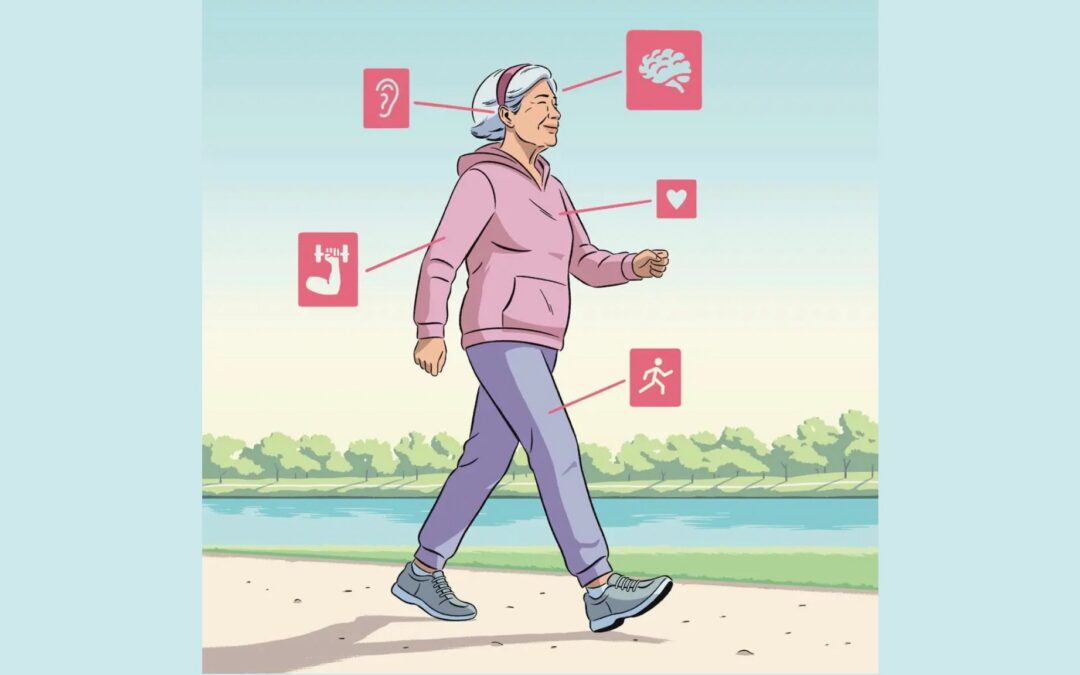
A growing body of research shows that how we think about aging can directly impact how well we age. Studies have found that people who hold negative beliefs about getting older tend to experience faster physical, mental, and cognitive decline. In contrast, those with more positive attitudes toward aging are more likely to stay active, eat well, and maintain better overall health outcomes.